Discover Your Perfect Interior Design Style with Our Fun Quiz
Have you ever walked into a room and instantly felt at home? Or perhaps the opposite, where nothing seemed to fit your taste? This is the magic of interior design. According to a recent Houzz survey, a well-designed space can enhance happiness and increase property value by up to 15%. But how do you find a style that truly resonates with you? Our fun quiz will guide you through discovering your perfect interior design style. In this article, we'll explore foundational concepts, delve into data-driven insights, offer actionable strategies, and discuss the latest trends, ensuring you leave with a clear vision for your space.
Understanding Interior Design Styles
Before embarking on your journey to discover your perfect interior design style, it's essential to understand the foundational concepts that define various styles. Interior design styles range from minimalistic to maximalist, from classic traditional to cutting-edge contemporary. Each style has its unique characteristics that convey different moods and atmospheres. For instance, minimalism, a style that prioritizes simplicity and function, is characterized by clean lines and a monochromatic palette. On the other hand, the bohemian style is known for its eclectic mix of patterns, textures, and vibrant colors.
Among the many styles, some of the most popular include Mid-century Modern, Scandinavian, Industrial, and Farmhouse. Mid-century Modern is renowned for its retro charm, with clean lines, organic curves, and a focus on functionality. Scandinavian design, often synonymous with simplicity, emphasizes light, airy spaces with neutral tones and natural materials. Industrial design takes cues from factories and warehouses, featuring exposed brick, metal fixtures, and wood elements. The Farmhouse style brings rustic charm with a modern twist, incorporating cozy textiles and vintage accessories. Understanding these styles will help you identify what resonates with you.
As you explore these styles, consider how they align with your lifestyle and preferences. Do you prefer the sleekness of modern design or the warmth of rustic elements? Are you drawn to the boldness of maximalism or the serenity of minimalism? Reflecting on these questions can help you narrow down your options. In the next section, we'll delve into deeper analysis with data to uncover trends and preferences within the interior design community.
Analyzing Interior Design Trends
According to the American Society of Interior Designers (ASID), staying updated with current trends is vital for both designers and homeowners. Recent data reveals a growing interest in sustainable and biophilic design, which incorporates natural elements into interiors. This trend is part of a broader movement towards environmental consciousness and well-being in home design. Biophilic design often includes natural materials, indoor plants, and an emphasis on creating an indoor-outdoor flow. It's not just about aesthetics; studies have shown that biophilic elements can reduce stress and improve mental health.
Another trend gaining traction is the concept of "quiet luxury," which focuses on understated elegance and high-quality materials. This style values craftsmanship and subtle sophistication over flashy displays. In a world where fast fashion and disposable decor are prevalent, quiet luxury offers a timeless alternative. The demand for smart home integration is also rising, with homeowners seeking technology that enhances convenience and efficiency. From automated lighting to climate control, smart homes are becoming the norm rather than the exception.
These trends underscore a shift towards personalization and functionality in interior design. But how do you determine which trend suits your style? Are you more inclined towards the tranquility of biophilic design or the sophistication of quiet luxury? In the following section, we'll provide actionable strategies to help you incorporate these elements into your home.
Taking Action: Strategies for Discovering Your Style
To discover your perfect interior design style, start by assessing your current space. Look around your home and identify areas that you love and those you don't. What elements make you feel comfortable? Is there a particular room that feels more "you" than others? Mapping out how you use each space can provide valuable insights into your preferences. For instance, if you find yourself gravitating towards neutral tones and open spaces, you might lean towards Scandinavian or minimalistic styles.
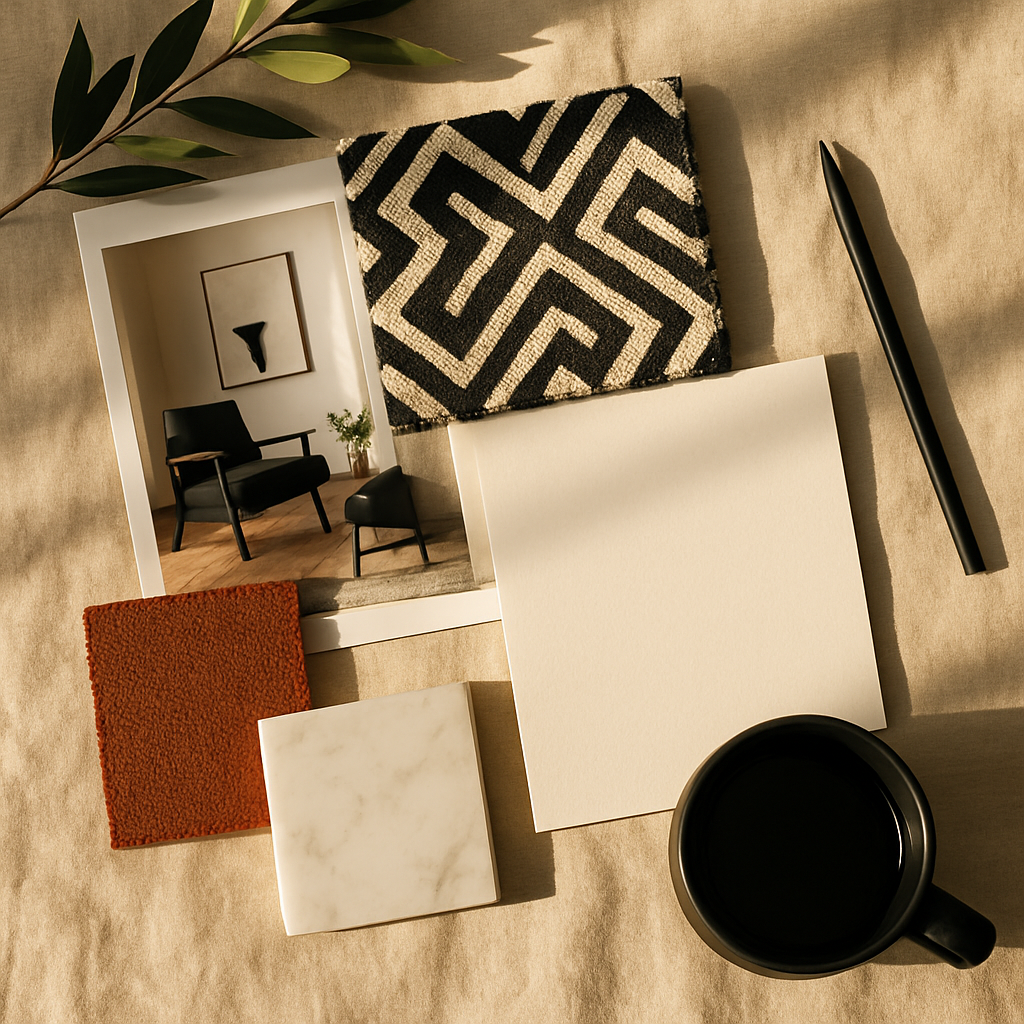
Next, create a mood board using platforms like Pinterest or Houzz. Collect images that resonate with you-whether it's the color palette, furniture style, or overall ambiance. As you compile these images, patterns will begin to emerge. You might notice a preference for certain textures, such as wood or metal, or a particular color scheme. This visual representation can serve as a blueprint for your design style, guiding your decisions when selecting furniture or decor.
Finally, consider consulting with a certified interior designer. Professionals with credentials like the NCIDQ (National Council for Interior Design Qualification) can offer expert advice and help refine your vision. They can suggest ways to incorporate trends like smart home technology or sustainable materials into your design without compromising your style. In the next section, we'll delve into expert-level details on how to work with a designer effectively.
Collaborating with Interior Design Experts
Working with an interior designer can transform your ideas into reality. But how do you choose the right professional? Start by researching designers through platforms like Houzz or the ASID directory. Look for designers with a portfolio that aligns with your style preferences. Pay attention to their credentials; certified designers often have undergone rigorous testing and training, ensuring they are equipped to handle complex projects.
Once you've selected a designer, it's crucial to establish a clear communication pathway. Discuss your vision, budget, and any specific requirements you have. According to industry professionals, transparency in these areas is key to a successful collaboration. Be open to their suggestions, as they may offer insights that enhance your initial ideas. Designers often have access to exclusive resources and can provide innovative solutions that you might not have considered.
It's also important to understand the fee structures involved. Interior designers typically charge a flat fee, hourly rate, or a percentage of the total project cost. Hourly rates can range from $150 to $500, depending on the designer's experience and location. Discuss these details upfront to avoid any misunderstandings later. In the next section, we'll explore additional expert-level insights to further deepen your understanding of the interior design process.
Gaining Further Insights into Interior Design
Beyond working with professionals, gaining a deeper understanding of the interior design process can empower you to make informed decisions. Familiarize yourself with the phases of design projects: concept development, design presentation, procurement, installation, and styling. Each phase involves specific tasks and milestones that guide the project from start to finish. Understanding these steps can help you manage expectations and contribute meaningfully to the process.
Experienced professionals often note that successful design is a balance between aesthetics and functionality. While it's important to create a visually appealing space, it should also cater to your lifestyle needs. For instance, a family with young children might prioritize durable materials and open spaces, while a couple might focus on creating intimate, cozy zones. Your personal circumstances should inform your design choices, ensuring your home is both beautiful and practical.
Additionally, staying informed about emerging trends can inspire your design journey. The Japandi style, which combines Japanese minimalism with Scandinavian warmth, is one such trend gaining popularity. It emphasizes simplicity, natural elements, and a sense of calm. Incorporating such trends can refresh your space and keep it current. In the next section, we'll wrap up with final perspectives and considerations as you embark on your design journey.
Final Perspectives on Your Design Journey
Embarking on an interior design journey can be both exciting and overwhelming. But with the right tools and knowledge, you can create a space that truly reflects your personality and lifestyle. Remember, your home is an extension of who you are, and your design choices should mirror your unique tastes and preferences. Don't hesitate to experiment with different styles and elements until you find the perfect fit.
It's also important to be patient with the process. Design is not a one-size-fits-all endeavor, and finding your style may take time. Allow yourself the freedom to explore various options, and don't be afraid to make changes along the way. As you refine your style, consider how each element contributes to the overall harmony and functionality of your space.
Ultimately, the goal is to create a home that brings you joy and comfort. In the conclusion, we'll summarize the key takeaways and provide a specific call to action to help you start your design journey.
Conclusion: Start Your Design Journey Today
In conclusion, discovering your perfect interior design style is a journey of exploration and self-discovery. By understanding foundational concepts, analyzing current trends, and implementing actionable strategies, you can create a space that feels uniquely yours. Remember to engage with professionals for expert guidance and to stay informed about emerging trends to keep your design fresh and relevant.
Are you ready to embark on your design journey? Start by taking our fun quiz to pinpoint your style preferences. Then, spend time browsing designer portfolios on Houzz or Pinterest-just 20 minutes a day can sharpen your eye for what you love. With each step, you'll move closer to creating a home that not only looks stunning but also feels like a true reflection of who you are.


Comments
Post a Comment