Discover Your Interior Design Style: Take Our Fun Quiz Today!
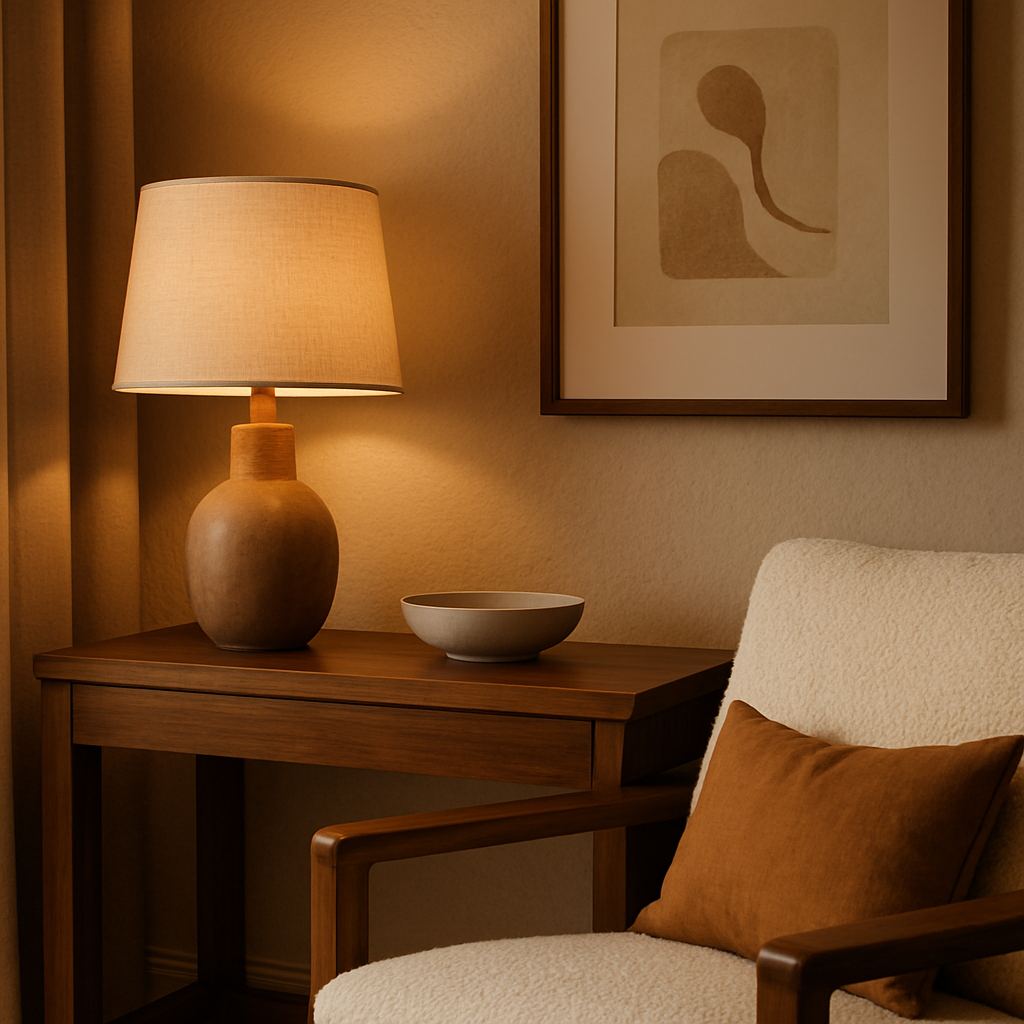
Have you ever walked into a room and instantly felt at home, without entirely understanding why? That's the magic of finding a space that resonates with your personal design style. According to a study by Houzz, nearly 75% of homeowners say that personalizing their spaces is a major goal. Yet, for many, pinpointing an exact interior design style can be challenging. Are you more drawn to the clean lines of modern minimalism or the cozy warmth of rustic charm? To help you navigate this journey, we've crafted a fun and insightful quiz to help you discover your interior design style. In this article, we'll explore foundational design concepts, delve deeper into style analysis, provide actionable strategies, and share expert-level insights. Let's unlock the door to your perfect home aesthetic.
Understanding the Basics of Interior Design Styles
Before diving into the specifics of different design styles, it's essential to understand the foundational concepts that underpin them. Interior design styles are more than just labels-they represent a cohesive set of aesthetics, materials, and philosophies that create a unique atmosphere. For instance, minimalism emphasizes simplicity and functionality, often featuring open spaces and a neutral color palette. In contrast, eclectic design celebrates contrasts, weaving together diverse patterns and textures to create an artful balance. Recognizing these core principles helps in identifying styles that might resonate with you.
Another crucial aspect is the historical and cultural context of each style. For example, the mid-century modern style, which originated in the mid-20th century, emphasizes organic forms and innovative materials, reflecting a post-war era that celebrated progress and optimism. Understanding these backgrounds can provide deeper insights into why certain styles appeal to you. This context not only enriches your appreciation of a style but also guides you in making informed design decisions.
Lastly, consider how different styles can influence the mood and functionality of a space. A Scandinavian design, with its emphasis on light, natural materials, and functional furniture, creates a serene and airy environment. Conversely, industrial design, with its raw materials and bold structures, can evoke a sense of strength and boldness. As you explore design styles, think about how you want each room in your home to feel and function. This awareness serves as a compass in your design journey, guiding you toward a style that aligns with your personal and practical needs.
Deeper Analysis: Finding Your Design Style
Finding your interior design style often requires a deeper analysis of your preferences and lifestyle. One effective method is to start with your existing space. Take a close look at the elements you already own and love. Are there patterns, colors, or textures that frequently appear? This can provide valuable clues about your unconscious preferences. For example, if you find yourself gravitating toward natural materials and neutral tones, you might have an inclination toward the Japandi style, a harmonious blend of Japanese minimalism and Scandinavian warmth.
According to research by the American Society of Interior Designers (ASID), 87% of people believe that their home's design impacts their overall happiness. This statistic underscores the importance of aligning your interior design style with your personal identity and emotional well-being. Consider how different styles make you feel, and which environments you thrive in-this is often a reliable indicator of your true design style.
Furthermore, leveraging technology can simplify the style discovery process. Platforms like Pinterest and Instagram offer endless inspiration and allow you to curate collections of looks that catch your eye. When you compile these images, patterns will emerge, helping you to identify your preferred style. Virtual room visualization tools, now widely used by designers, let you see how different styles and layouts will look in your space, offering a practical approach to style selection. This hands-on exploration is a powerful tool in refining your design sensibilities and honing in on what truly resonates with you.
Actionable Strategies for Defining Your Style
Once you've got a handle on the basics and have started to identify your preferences, it's time to take action. One of the most effective strategies is to create a mood board. This visual tool allows you to experiment with different elements-colors, textures, and furniture pieces-and see how they work together. Gather samples of materials and fabric swatches, collect magazine clippings, or use digital tools like Canva to create a digital mood board. This exercise helps in visualizing a cohesive look and refining your design direction.
Another practical step is to visit showrooms and design stores. Seeing products and materials in person can provide a tactile understanding that online browsing can't match. Touching fabrics, feeling the texture of wood, and observing colors under different lighting conditions can be enlightening. These experiences can solidify your preferences and guide you in making decisions that feel right for your space.
Finally, consider setting a budget and timeline for your design project. As noted earlier, redesigning a single room can range from $5,000 to $15,000, while a full-house redesign could exceed $150,000. Setting clear financial boundaries will help you prioritize spending on elements that matter most to you. Additionally, a timeline keeps your project on track and prevents decision fatigue. With these strategies in place, you'll be well on your way to creating a home that reflects your personal style and meets your practical needs.
Expert-Level Insights into Interior Design Styles
To elevate your understanding of interior design, it's beneficial to explore insights from industry experts. Experienced professionals often note that understanding the intent behind a style can greatly enhance your design process. For instance, biophilic design-a 2026 trend focusing on integrating nature into interiors-seeks to improve well-being by enhancing the connection with nature through elements like natural light, plants, and organic materials. This knowledge can inform your choices and ensure your space fosters the desired emotional and physical effects.
Another expert insight involves the strategic use of color. The International Interior Design Association (IIDA) highlights that color can dramatically alter the perception of space. Cool colors like blues and greens can make a room feel larger and more serene, while warm colors like reds and oranges can create a cozy, intimate atmosphere. Understanding these effects allows you to manipulate spatial perceptions and set the desired mood for each room.
Additionally, leveraging expert tools such as the National Council for Interior Design Qualification (NCIDQ) resources can provide a deeper understanding of design principles. Certified interior designers, who have passed the rigorous NCIDQ exam, possess extensive knowledge of building codes, standards, and practices. By consulting with certified professionals, you can gain insights that go beyond aesthetics, ensuring your space is not only beautiful but also safe and functional. These expert perspectives can guide you in making informed decisions that elevate your home's design.
Embracing Additional Depth in Design Styles
Exploring additional depth in design styles involves understanding the nuances that differentiate similar aesthetics. For example, while both contemporary and modern styles emphasize clean lines and minimalism, contemporary design is more fluid, adapting to current trends, whereas modern design is rooted in a specific historical period. Recognizing these subtleties can help you articulate your style more precisely and communicate your vision effectively.
Moreover, a deeper dive into sustainable design reveals a growing trend towards eco-friendly materials and practices. According to Architectural Digest, 2026 will see an increase in the use of reclaimed materials and sustainable practices. This not only reduces environmental impact but also adds a unique character to your home. By incorporating sustainability into your design ethos, you contribute to a larger movement towards environmental responsibility.
Engaging with local art and craftsmanship is another way to add depth to your design. Locally sourced artwork and handcrafted furniture pieces can infuse your home with a sense of place and history. Many interior designers recommend visiting local galleries and artisan shops to find pieces that tell a story and resonate with your personal narrative. This approach not only enriches your space but also supports the local creative community.
Final Perspectives on Discovering Your Style
As you continue your journey to discover your interior design style, remember that it's an evolving process. Your tastes and preferences may change over time, influenced by life experiences and exposure to new ideas. Embrace this evolution as a natural part of personal and stylistic growth. Flexibility and openness to change will allow your home to grow with you, reflecting your current self authentically.
It's also important to trust your instincts. While expert advice and tools are invaluable, your home is ultimately a personal space that should feel right to you. If a particular piece or style resonates with you, even if it doesn't fit traditional categorizations, consider how it might enhance your space. Your intuition is a powerful guide in creating a home environment that feels uniquely yours.
Finally, don't hesitate to experiment and take risks. Some of the most captivating interiors are those that blend different styles and break conventional rules. Start small, perhaps with a single room or accent piece, and gradually expand as your confidence grows. This experimental approach not only enriches your design experience but also leads to a home that is truly one-of-a-kind.
Conclusion
In conclusion, discovering your interior design style is a fulfilling journey that combines self-reflection, exploration, and creativity. By understanding foundational concepts, analyzing your preferences, and embracing expert insights, you can create a home that truly reflects your personality and lifestyle. Remember to stay flexible and trust your instincts as you experiment with different elements and styles. Ready to take the first step? Start by browsing portfolios on Houzz this week-spending just 20 minutes can sharpen your eye for what you truly love. Embrace the process, and watch as your home transforms into a space that feels genuinely yours.


Comments
Post a Comment