Discover the Best Interior Designers Near Me for Your Dream Home
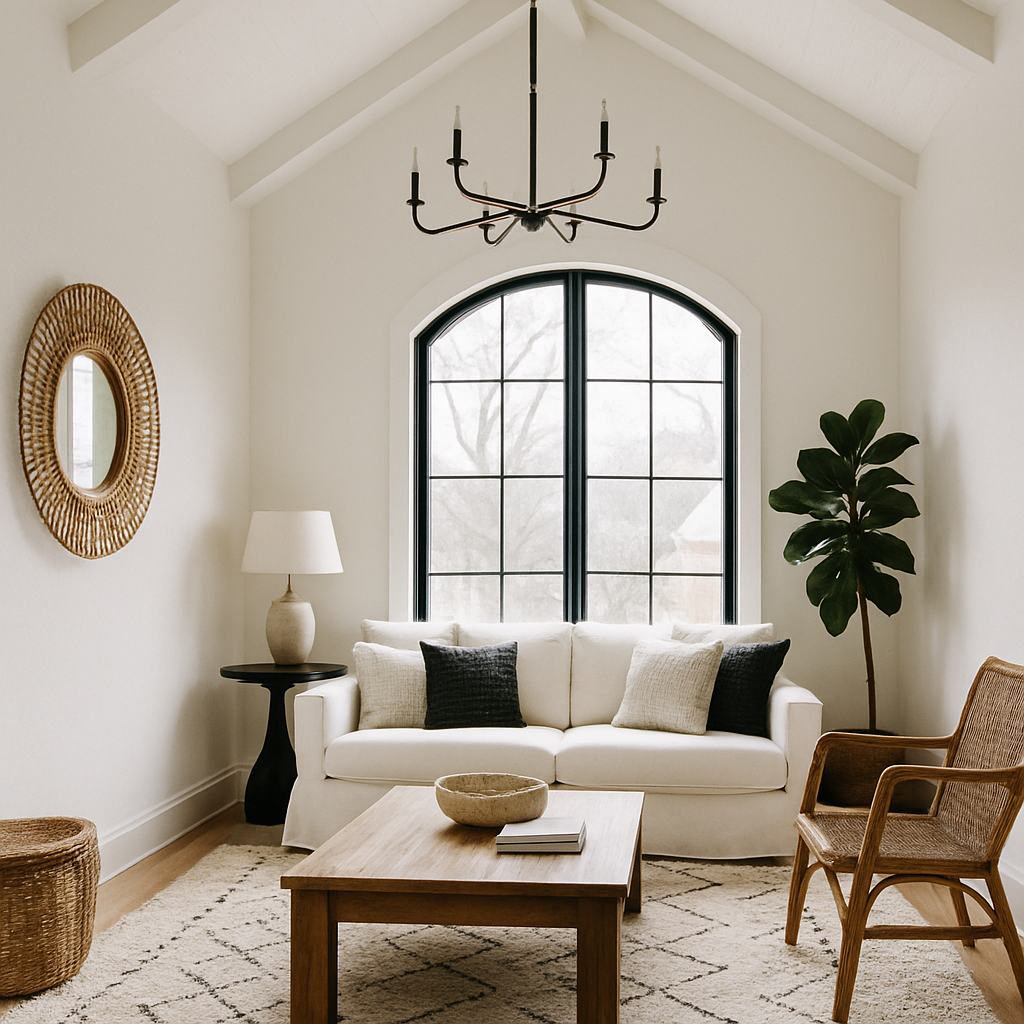
Have you ever walked into a room and felt an immediate sense of peace and inspiration? That's the magic of exceptional interior design. According to the American Society of Interior Designers (ASID), a well-appointed space can increase property value by 5-15%. But how do you find the best interior designers near you to craft such transformative experiences? This article will explore the essential steps to identify top-tier professionals, delve into the credentials that matter, understand pricing structures, and uncover the latest trends shaping the industry. By the end, you'll be equipped with the knowledge to make informed decisions for your dream home.
Understanding the Essentials of Interior Design
Before embarking on your search for the best interior designers near you, it's crucial to understand the foundational elements of interior design itself. Interior design involves more than just selecting furniture and paint colors; it's the art and science of enhancing the interior of a space to achieve a healthier and more aesthetically pleasing environment. Certified designers, such as those holding the NCIDQ (National Council for Interior Design Qualification) credential, have undergone rigorous training and testing to ensure they can meet these standards.
Certified interior designers are different from decorators. While decorators can certainly add flair to a room, they typically lack the formal education and certification that interior designers possess. Organizations like the ASID and the International Interior Design Association (IIDA) offer directories of certified professionals, making it easier for you to find qualified designers in your area. When you consider hiring someone, always check their credentials and ask yourself: Does their portfolio reflect the style and functionality I envision for my space?
Furthermore, understanding the process of interior design can help manage expectations. Typically, projects move through phases: concept development, design presentation, procurement, installation, and styling. Each of these stages requires careful planning and collaboration between you and your designer. Are you prepared to engage deeply in this creative process to ensure your vision is fully realized? This understanding sets the stage for the next step in your journey-analyzing deeper insights into finding the right professional.
Analyzing Key Data to Find the Right Designer
Once you've grasped the fundamentals, it's time to dive into the data that can guide your decision-making. Industry surveys indicate that the average cost for a single-room redesign ranges from $5,000 to $15,000, while a full-home project can easily exceed $50,000. Understanding these figures is essential for setting realistic budgets and expectations. Additionally, the Houzz annual survey reveals that nearly 80% of homeowners reported increased satisfaction with their living spaces post-redesign, highlighting the value of professional design services.
When researching interior designers, online platforms like Houzz and Instagram offer a wealth of information. Houzz provides designer portfolios and project photos that can inspire and inform your choices, while Instagram serves as a live portfolio where designers showcase their latest work. Browsing these platforms can help you identify styles and approaches that resonate with your personal taste. Have you explored these resources to see what's possible for your home?
In addition to online resources, local AIA (American Institute of Architects) chapters often host events and seminars where you can meet designers and see their work firsthand. These interactions can provide invaluable insights into a designer's approach and capability. As you gather information, remember that the goal is to find a designer whose vision aligns with yours and who can work within your budget constraints. Armed with this data, you're ready to explore actionable strategies for selecting the perfect designer.
Implementing Strategies to Choose Your Designer
Now that you have a solid foundation and data-driven insights, it's time to implement strategies for choosing the right interior designer. Begin by narrowing down your list of potential designers to a manageable number, ideally three to five candidates. Schedule consultations to discuss your project in detail, ensuring that you communicate your vision, budget, and timeline clearly. During these meetings, pay attention to how each designer responds to your ideas and whether they offer creative solutions to potential challenges.
Experienced professionals often note that compatibility is just as important as credentials. A designer's ability to listen and adapt to your needs is crucial for a successful partnership. Consider asking questions like: What is your process for incorporating client feedback? How do you handle changes in project scope or budget? These inquiries can reveal how flexible and client-focused a designer is, ensuring that your collaboration will be smooth and productive.
Additionally, ask for references and follow up with past clients to gauge satisfaction and reliability. Former clients can provide candid feedback about their experiences, offering insights that online reviews might not capture. With these strategies in place, you'll be well on your way to selecting a designer who can transform your vision into reality. Next, we delve into expert-level details that can further refine your decision-making process.
Diving Deep into Expert-Level Details
As you refine your choice of interior designers, understanding the intricacies of their expertise can make a significant difference. Many top designers are now leveraging technology to enhance their offerings. Tools like AR/VR room visualization allow clients to see potential designs in a virtual space before any physical changes are made. This technology not only aids in decision-making but also minimizes costly changes during the installation phase.
Fee structures are another critical aspect to consider. Designers may charge a flat fee, an hourly rate ranging from $150 to $500, or a percentage of the total project cost, typically between 10% and 25%. Some may also apply procurement markups on furnishings. Understanding these structures will help you compare proposals accurately and choose a designer whose fees align with your financial plans. Have you reviewed the different pricing models to determine which suits your project best?
Moreover, staying informed about current design trends can guide your conversations with potential designers. Trends like biophilic design, which incorporates natural materials and indoor-outdoor flow, or the understated elegance of quiet luxury, are gaining traction in 2026. Discussing these trends with your designer can ensure that your home is not only stylish but also aligned with contemporary aesthetics. As we move toward additional depth, consider how these expert-level insights can be applied to your unique project.
Exploring Additional Depth and Insights
Beyond the basics and expert strategies, there's an additional layer of depth that can elevate your interior design project. Networking with industry professionals at events hosted by organizations such as the ASID or IIDA can provide fresh perspectives and ideas. These gatherings are opportunities to ask experienced designers about their biggest challenges and how they overcome them, offering lessons that can be applied to your own project.
The role of sustainability in design is another area to consider. Many designers are increasingly focused on using sustainable and reclaimed materials, which not only benefit the environment but can also add unique character to your space. Engaging a designer who prioritizes sustainability can ensure that your home is both beautiful and eco-friendly. Have you considered how sustainability can play a role in your design choices?
Finally, smart home integration is becoming a standard in modern design practices. Automated lighting, climate control, and window treatments are not just conveniences; they enhance comfort and energy efficiency. Discussing these integrations with your designer can future-proof your home and improve its resale value. As we conclude, reflect on how these additional insights can influence your design journey.
Final Perspectives on Choosing the Right Designer
As you near the end of your search for the best interior designers near you, it's important to synthesize all the information and insights you've gathered. Balancing your budget, aesthetic preferences, and desired level of involvement with your designer's expertise will create a harmonious working relationship. Remember, the goal is not just to find any designer, but the right designer for your specific needs.
Consider the long-term impact of your choices. A well-designed home does more than please the eye; it improves daily life and increases property value. Resale considerations are just one part of the equation. The true value lies in creating a space that enhances your lifestyle. Are you ready to take the next step in your design journey?
Conclusion: Take Action for Your Dream Home
In conclusion, discovering the best interior designers near you involves a blend of research, strategy, and expert insight. By understanding the essentials, analyzing key data, and implementing actionable strategies, you can make informed decisions that align with your vision and budget. Engaging with certified professionals and exploring current trends will ensure your home is both stylish and functional.
Your next step is to start your search. Begin by browsing portfolios on platforms like Houzz or Instagram this week-just 20 minutes of research can sharpen your eye for what you want. Connect with local AIA chapters or attend ASID events to meet designers in person. Remember, the right designer is out there, ready to bring your dream home to life. Why wait any longer?


Comments
Post a Comment