Discover the Best Interior Design Jobs Near You: A Comprehensive Guide
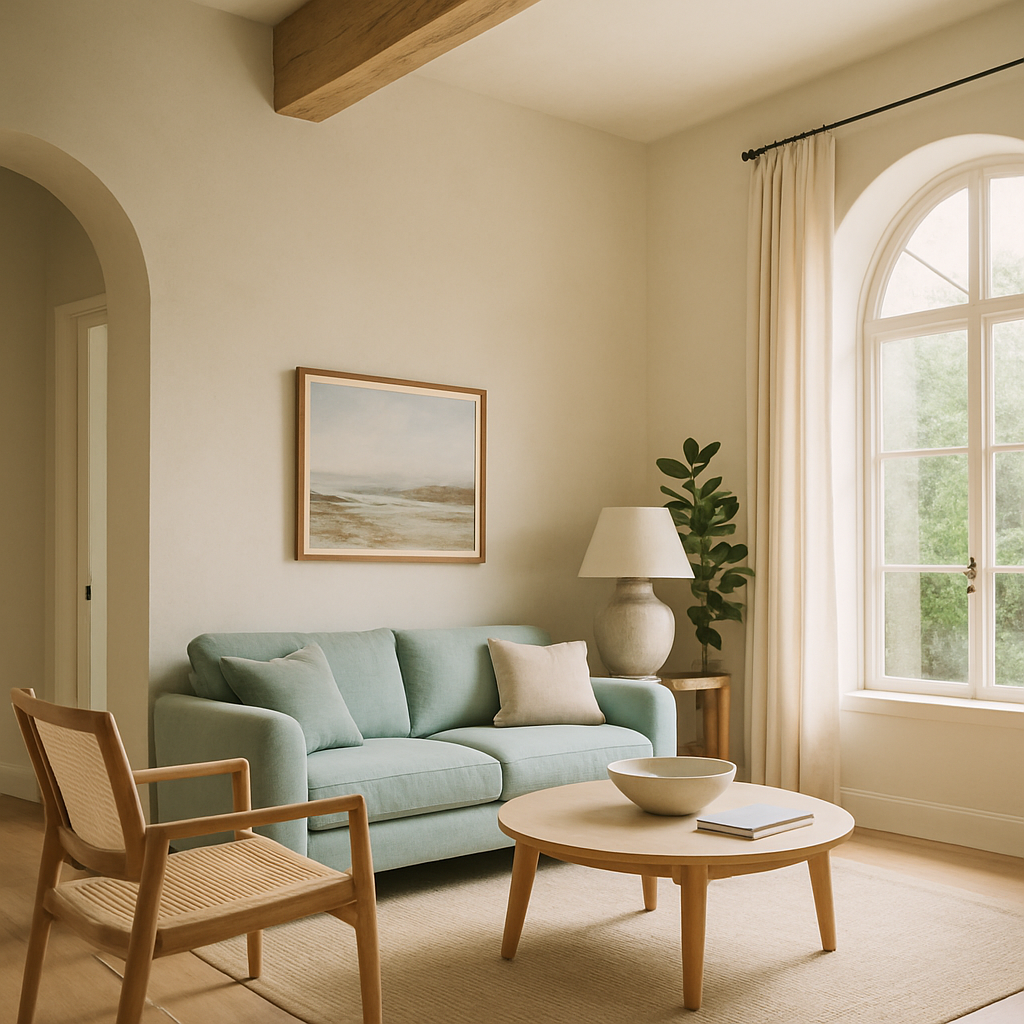
Are you passionate about transforming spaces and creating aesthetic environments? If so, the field of interior design offers a plethora of career opportunities waiting to be explored. According to the American Society of Interior Designers (ASID), the interior design industry has seen a robust growth of 4% annually, reflecting its increasing demand. This guide will explore the foundational aspects of interior design careers, analyze industry data, provide actionable strategies to land your dream job, delve into expert-level insights, and offer additional depth on specialization areas. By the end of this article, you'll be equipped with the knowledge to navigate and excel in your interior design career journey.
Understanding the Interior Design Landscape
The interior design industry is as diverse as it is dynamic, encompassing various roles ranging from residential designers to commercial space planners. The distinction between certified interior designers and decorators is crucial in this field. Certified professionals typically hold credentials like the NCIDQ (National Council for Interior Design Qualification) certification, which signifies a standard of excellence in interior design. In contrast, decorators may not possess formal certification but focus on aesthetics and furnishings.
Moreover, the industry is structured around different types of employment, including full-time positions, freelance opportunities, and consulting roles. Full-time positions often offer the stability of a steady income and benefits, while freelance and consulting roles provide flexibility and creative freedom. As an interior designer, understanding these employment structures is vital for aligning your career path with your personal and professional goals.
Additionally, technology has transformed the interior design landscape, introducing tools like AR/VR room visualization and smart home integration. These innovations not only enhance design capabilities but also expand job roles. Are you ready to embrace these changes and leverage them to your advantage? Understanding these foundational concepts is the first step in navigating your interior design career.
Analyzing Industry Trends and Data
The interior design industry is influenced by various trends and data points that shape its trajectory. According to Houzz's annual survey, the average homeowner spends between $5,000 and $15,000 on a single room redesign, highlighting the financial potential within the industry. Moreover, well-designed interiors can yield a 5-15% higher resale value, making the role of an interior designer critical in real estate markets.
Current trends such as biophilic design, which incorporates natural elements into spaces, and the Japandi style, a fusion of Japanese minimalism and Scandinavian warmth, are gaining popularity. These trends not only reflect consumer preferences but also influence hiring practices. Employers look for designers who are adept at incorporating these styles into their projects, making it essential for job seekers to stay updated with the latest design movements.
A deeper analysis reveals that the demand for sustainable and reclaimed materials is surging, driven by growing environmental awareness. Experienced professionals often note that proficiency in sustainable design can significantly enhance your job prospects. How can you integrate these trends into your portfolio to stand out to potential employers? Understanding and applying industry data is key to securing a competitive edge.
Strategies for Landing Your Dream Interior Design Job
Securing your ideal job in interior design requires a strategic approach. Start by crafting a compelling portfolio that showcases your range of skills and styles. Utilize platforms like Houzz and Pinterest to display your work and connect with potential employers. Networking is another critical component; engaging with local AIA (American Institute of Architects) chapters and attending design expos can open doors to new opportunities.
When applying for jobs, tailor your resume and cover letter to each position. Highlight relevant experiences and skills that align with the job description. For instance, if a role emphasizes sustainable design, ensure your application reflects your expertise in that area. Additionally, consider obtaining certifications such as the NCIDQ or joining professional organizations like the IIDA (International Interior Design Association) to bolster your credentials.
Interview preparation is equally important. Research the company's design philosophy and recent projects to articulate how you can contribute to their team. Prepare to discuss your design process, from concept development to installation and styling. By following these actionable strategies, you'll be well-equipped to pursue and secure your dream interior design job.
Unveiling Expert-Level Insights
Gaining insights from seasoned professionals can elevate your career in interior design. Experienced designers often emphasize the importance of continuous learning and adaptability. The industry is ever-evolving, with new materials, technologies, and styles emerging regularly. Participating in workshops, online courses, and webinars can keep you informed and competitive.
Mentorship is another invaluable resource. Connecting with a mentor in the field can provide guidance, feedback, and support as you navigate your career. Mentors can offer advice on handling challenges, negotiating contracts, and advancing in your role. Have you considered reaching out to a mentor or joining a design community for support?
Finally, understanding the business side of interior design is crucial. This includes knowledge of fee structures, such as flat fees, hourly rates, and percentage-based pricing. Grasping these concepts will not only improve your negotiation skills but also ensure your projects are financially successful. Expert-level insights can significantly influence your career trajectory, positioning you as a well-rounded and knowledgeable interior designer.
Exploring Specialization Areas in Interior Design
The interior design field offers numerous avenues for specialization, allowing you to tailor your career to your interests and strengths. Residential design, for example, focuses on creating comfortable and functional home environments. Meanwhile, commercial design involves spaces like offices, hotels, and retail stores, requiring an understanding of branding and customer experience.
Other specialization areas include healthcare design, which demands knowledge of medical regulations and patient-centric environments, and hospitality design, where creating luxurious and inviting spaces is paramount. As you explore these options, consider what aspects of design you are most passionate about. Do you envision yourself transforming residential spaces, or are you drawn to the intricate details of hospitality design?
Specializing can also enhance your marketability and open up specific job opportunities. For instance, expertise in sustainable design is increasingly sought after as more clients prioritize eco-friendly solutions. By focusing on a niche area, you can develop a deep understanding and become a sought-after expert in your chosen field.
Final Thoughts on Navigating Your Interior Design Career
As you embark on your interior design career, remember that the journey is both an art and a science. Balancing creativity with practical considerations is key to success. Staying informed about industry trends, continuously improving your skills, and building a strong professional network are essential components of a thriving career.
Consider the impact of emerging technologies on your work and how you can leverage these tools to enhance your designs. The integration of AR/VR and smart home technologies is transforming how designers conceptualize and execute projects. How will these innovations influence your design process and interactions with clients?
Ultimately, the path you choose in interior design will be shaped by your interests, experiences, and the connections you make along the way. By following the guidance provided in this article, you'll be well-prepared to navigate the challenges and opportunities that lie ahead in your career.
Conclusion
The world of interior design is rich with opportunities for those who are passionate and dedicated. By understanding the industry landscape, analyzing trends, applying strategic approaches, and gaining expert insights, you can position yourself for success in this dynamic field. As you consider your next steps, take action by exploring job listings, attending industry events, and refining your portfolio.
Start by browsing portfolios on platforms like Houzz this week. Even dedicating 20 minutes to research can sharpen your eye for what you want. Are you ready to take the next step in your interior design career? Embrace the possibilities and let your creativity and expertise shine.
Comments
Post a Comment