Discover the Best Interior Design Classes Near You for Creative Inspiration
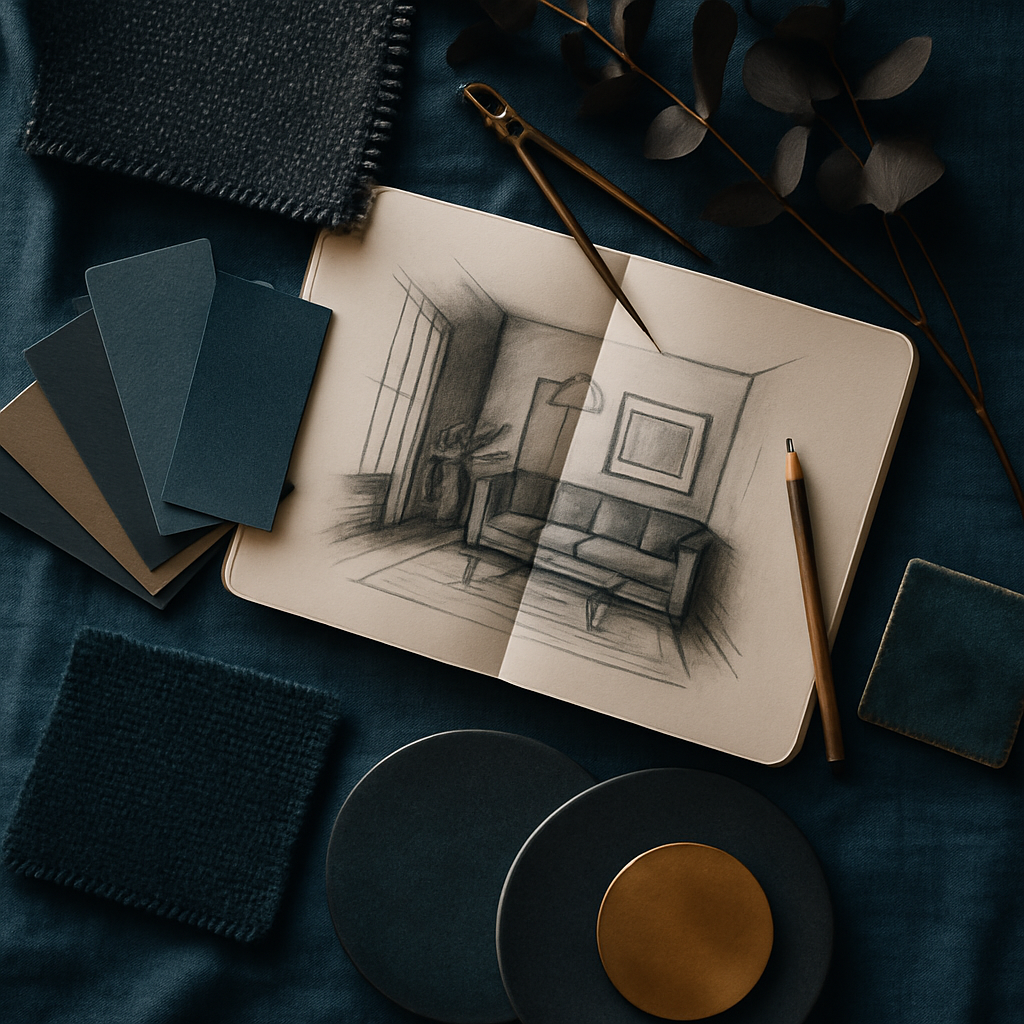
Have you ever walked into a room and felt instantly at ease, captivated by its design? Interior design has a profound impact on our emotions and productivity, yet many people struggle to bring that same harmony into their own spaces. According to a report from the American Society of Interior Designers (ASID), well-designed interiors can boost productivity by up to 20% and enhance resale values by 5-15%. If you're eager to transform your living space and perhaps even start a new career, exploring the best interior design classes near you could be your first step. This article will guide you through foundational design concepts, dive into advanced techniques, and provide actionable strategies to help you unlock your creative potential.
Understanding Foundational Design Concepts
Before diving into the intricacies of interior design, it is crucial to grasp the foundational concepts that form the backbone of any design project. These concepts include balance, contrast, rhythm, scale, and harmony. Balance refers to the distribution of visual weight within a space, which can be symmetrical, asymmetrical, or radial. Imagine a room where one side is cluttered while the other remains stark; this imbalance can be unsettling.
Contrast, on the other hand, involves juxtaposing different elements to create visual interest. This could mean pairing bold colors with neutrals or mixing textures like smooth marble with rough wood. Rhythm in design is about creating a visual flow, achieved through repeating patterns, colors, or textures. It helps guide the viewer's eye around the room, creating a sense of movement and cohesiveness. Understanding these elements is crucial before you start any design project.
Scale and harmony are also vital. Scale refers to the size of objects in relation to each other and the space they occupy. Harmony is the end goal, achieved when all these elements work together to create a cohesive and aesthetically pleasing environment. Mastering these foundational concepts is often the first step in many interior design classes, setting the stage for more complex ideas and applications. Next, we'll explore how these basics are expanded upon with real-world application through data-backed insights.
Exploring Deeper with Data and Analysis
As you delve deeper into interior design, data and analysis play a pivotal role in understanding trends and consumer preferences. According to the Houzz annual survey on homeowner spending, the average investment in a single-room redesign ranges from $5,000 to $15,000. This figure underscores the importance of strategic planning and budget management in design projects. Understanding how homeowners allocate their budgets can guide you in making informed design decisions.
The National Council for Interior Design Qualification (NCIDQ) offers rigorous certification for designers, emphasizing the importance of data-driven decision-making in creating functional and appealing spaces. As you progress in your learning, you'll encounter advanced tools like AR/VR room visualization, which allow for precise spatial planning and client presentations. Such technologies are becoming increasingly prevalent, offering designers the ability to present data-rich visualizations that enhance client understanding and satisfaction.
Experienced professionals often note the importance of staying informed about industry trends, as this knowledge not only informs design decisions but also enhances client relationships. For instance, the rising popularity of biophilic design-incorporating natural elements into interiors-reflects a broader consumer desire for spaces that promote well-being. This section sets the stage for actionable strategies that empower you to apply these insights effectively.
Actionable Strategies for Aspiring Designers
Transforming your newfound knowledge into practical skills requires a strategic approach. One effective strategy is to immerse yourself in diverse design environments. Visit local showrooms, art galleries, and architecture tours to observe different styles and applications. This exposure will expand your design vocabulary and inspire your creative process. Additionally, consider joining platforms like Houzz, where you can browse thousands of designer portfolios and project photos.
Networking is another powerful tool. Attending events hosted by organizations such as the International Interior Design Association (IIDA) or local AIA chapters can provide invaluable connections and insights. These events often feature talks by industry leaders, offering a glimpse into current trends and future directions. Engaging with a community of like-minded individuals can spark new ideas and collaborations.
Lastly, focus on building a solid portfolio. Start by redesigning a room in your own home or offering to help friends and family with their spaces. Document these projects with high-quality photos and detailed descriptions of your design process. A well-curated portfolio is essential for showcasing your skills and attracting potential clients or employers. As you refine your practical skills, we'll next explore how expert-level details can further enhance your design journey.
Refining Your Skills with Expert-Level Details
To elevate your design skills to the expert level, attention to detail is paramount. This involves understanding the nuances of color theory, lighting, and materials. For example, color theory is not just about choosing hues that complement each other; it's about understanding the psychological impact of colors and how they can influence mood and behavior. Lighting, too, is a critical component, as it can dramatically alter the perception of space and highlight key design elements.
Materials play a significant role in the overall feel of a room. Sustainable and reclaimed materials are gaining popularity, driven by a growing awareness of environmental impact. These materials not only add character and history to a design but also appeal to eco-conscious clients. By incorporating such materials, designers can create spaces that are both beautiful and sustainable.
Experienced professionals often emphasize the integration of smart home technology in modern design. Automated lighting systems, climate control, and window treatments are no longer luxuries but expected features in high-end design projects. By mastering these details, you can offer clients cutting-edge solutions that enhance both functionality and aesthetic appeal. With these insights in mind, we'll delve into additional depth on the integration of trending design styles.
Embracing Trending Design Styles
Staying abreast of trending design styles is essential for any aspiring interior designer. One such trend is Japandi, a fusion of Japanese minimalism and Scandinavian warmth. This style emphasizes simplicity, functionality, and tranquility, creating serene and inviting spaces. Understanding the principles of Japandi can help you cater to clients seeking a minimalist yet cozy aesthetic.
Quiet luxury is another emerging trend, focusing on understated elegance and quality materials. This style shuns ostentation in favor of subtle sophistication, appealing to clients who appreciate craftsmanship and refined aesthetics. Designers are increasingly using natural materials like stone and wood to achieve this effect, creating spaces that exude quiet confidence.
Biophilic design, which integrates natural elements into interiors, continues to gain traction as well. This approach not only enhances aesthetic appeal but also promotes well-being by connecting occupants with nature. Incorporating elements like living walls or indoor gardens can transform a space into a calming retreat. As we conclude, let's consider how to bring all these elements together in a comprehensive design education journey.
Final Perspectives on Your Design Education Journey
Embarking on interior design education is a transformative journey, offering opportunities to learn, grow, and create. By understanding foundational concepts, leveraging data, and embracing emerging trends, you can develop a robust skill set that stands out in the competitive design landscape. It's important to remember that design is as much about creativity as it is about problem-solving and critical thinking.
Whether you aim to redesign your home or pursue a professional career, the skills you acquire in these classes will serve you well. Have you considered how these new skills could impact your current living space or career path? By continuously seeking inspiration and honing your craft, you can create environments that not only meet functional needs but also inspire and delight.
As you continue your journey, you'll find that each project and client offers new challenges and learning opportunities. This continuous cycle of learning and application is what makes interior design such a dynamic and fulfilling field. In our final section, we'll summarize the key points and offer a clear next step to advance your journey.
Conclusion: Your Next Steps in Interior Design
In summary, discovering the best interior design classes near you can be a catalyst for unlocking your creative potential. By mastering foundational concepts, leveraging data, and embracing current trends, you can transform spaces with confidence and flair. Have you identified which aspect of design excites you the most? Whether it's the thrill of creating a cohesive color palette or the satisfaction of integrating smart technology, pursuing education in interior design can open doors to new possibilities.
To take the next step, start by exploring local classes and workshops. Platforms like Houzz and ASID directories can connect you with reputable instructors and programs. This week, dedicate just 20 minutes to browse these resources and identify a class that aligns with your interests. By committing to this small action, you'll be well on your way to realizing your design aspirations and making a lasting impact in the world of interior design.


Comments
Post a Comment