Designing with AI: A Step-by-Step Guide for Modern Interiors
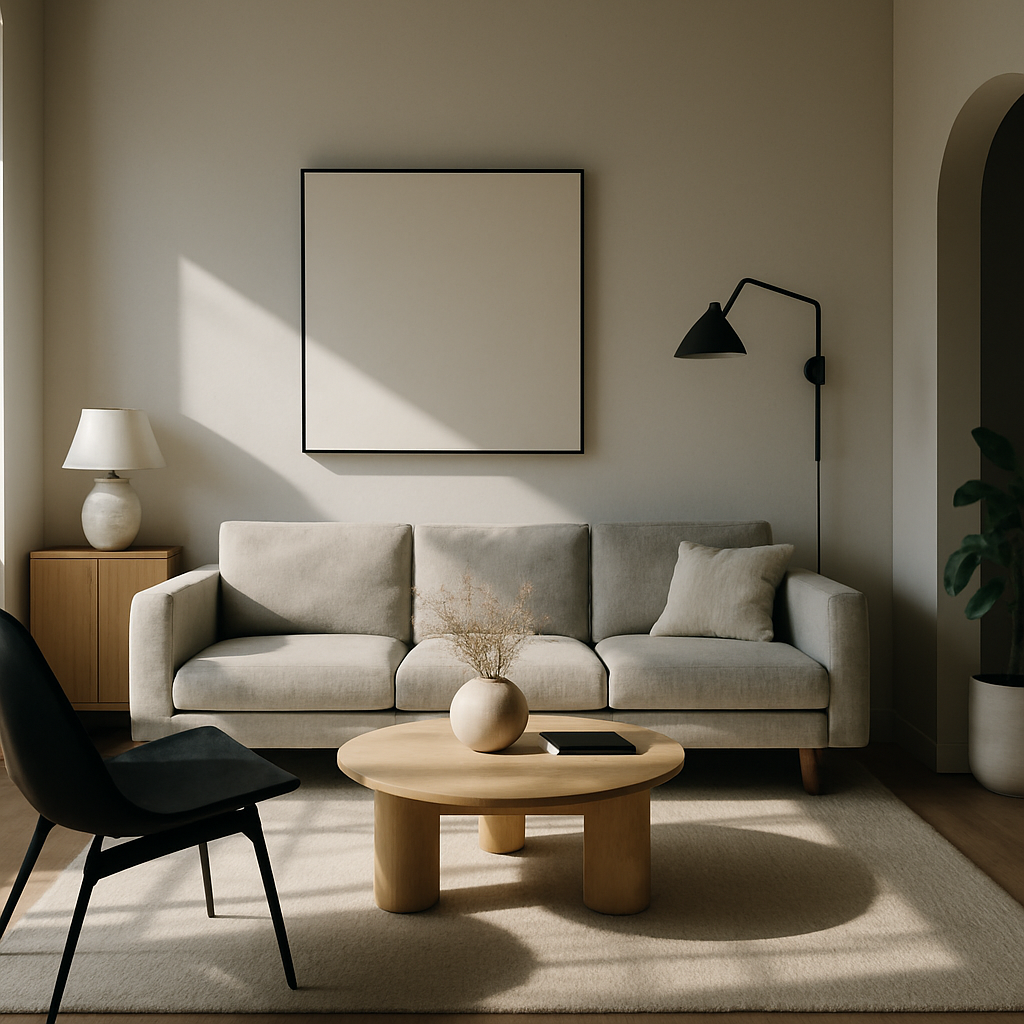
Imagine walking into a room that feels perfectly tailored to your tastes without lifting a finger. This is no longer a distant dream but a reality, thanks to advances in artificial intelligence (AI) within interior design. AI has become a game-changer, allowing designers to create spaces that are not only aesthetically pleasing but also smart and functional. In this article, we'll explore the transformative role of AI in modern interiors, providing a comprehensive roadmap to integrating these technologies into your design process. From understanding basic concepts to leveraging expert tools, we've got you covered.
Understanding AI in Interior Design
To truly appreciate the impact of AI on interior design, it's essential to grasp its foundational concepts. At its core, AI involves the simulation of human intelligence processes by machines, particularly computer systems. These processes include learning (the acquisition of information and rules for using it), reasoning (using the rules to reach approximate or definite conclusions), and self-correction. In the context of interior design, AI tools can analyze vast data sets to predict design trends, optimize space, and even customize design elements to fit individual preferences.
One notable application is the use of AR/VR (augmented reality/virtual reality) for room visualization. Designers can present clients with a 3D mock-up of their space, allowing them to "walk through" their redesigned home before a single piece of furniture is moved. According to Houzz, a leading platform for home renovation and design, over 75% of homeowners are open to using AR/VR for home projects, highlighting the growing acceptance of these technologies.
Moreover, AI's ability to process and learn from data means it can offer insights into user preferences that might not be immediately apparent. For instance, AI algorithms can identify patterns in a user's Pinterest or Instagram interactions, suggesting design elements they might love but have not consciously considered. This capability not only personalizes the design experience but also enhances client satisfaction.
The Data-Driven Design Process
As AI continues to redefine the design landscape, data has become the backbone of modern interior projects. By leveraging data analytics, designers can make informed decisions that align with both aesthetic goals and functional requirements. According to a survey by the American Society of Interior Designers (ASID), over 60% of interior designers are now incorporating data analytics into their workflow, underscoring its pivotal role.
Data-driven design doesn't just enhance aesthetics; it also optimizes functionality. For example, AI can analyze foot traffic patterns in a space to suggest optimal furniture placement that enhances flow and usability. This approach ensures that spaces are not only beautiful but also practical, meeting the daily needs of those who inhabit them. Are you utilizing data effectively in your design projects, or is there room for improvement?
Furthermore, AI tools can forecast trends by analyzing large datasets from social media platforms and design websites. This predictive capability allows designers to stay ahead of the curve, offering clients cutting-edge solutions that are both stylish and timely. The NCIDQ (National Council for Interior Design Qualification) emphasizes the importance of staying updated with such trends to maintain professional relevance and competitiveness.
Actionable Strategies for Incorporating AI
Incorporating AI into your design practice doesn't have to be daunting. Start by familiarizing yourself with AI-powered design tools. Platforms like Modsy and Planner 5D offer user-friendly interfaces that leverage AI to help create detailed room layouts and design concepts. These tools can be invaluable, especially for smaller projects or initial design phases.
Another practical strategy is to integrate AI-driven smart home technologies into your designs. Devices like smart lighting systems, automated window treatments, and climate control units not only enhance a room's functionality but also contribute to energy efficiency-a key consideration for sustainable design. As the push for eco-friendly solutions grows, how will you incorporate sustainability into your designs?
Finally, consider utilizing AI tools for client engagement and feedback. Tools like SurveyMonkey and Qualtrics can analyze client feedback, providing insights into satisfaction levels and areas for improvement. This data-driven approach ensures that your designs meet and exceed client expectations, fostering trust and long-term relationships.
Expert Insights on AI Integration
Experienced professionals often note that the successful integration of AI into interior design lies in balancing technology with creativity. AI should enhance, not replace, the designer's vision and intuition. According to experts from the International Interior Design Association (IIDA), the key is to use AI as a tool to facilitate creativity, offering new perspectives and possibilities without overshadowing the human touch.
One expert tip is to leverage AI for repetitive or data-intensive tasks, freeing up time for designers to focus on the creative aspects of a project. For example, AI can handle complex calculations for material costs or space measurements, allowing designers to dedicate more energy to concept development and client interaction. This synergy between technology and creativity can result in more innovative and personalized designs.
Moreover, collaboration between AI developers and interior designers is crucial. By working together, they can tailor AI tools to better fit the specific needs of the design industry, ensuring these technologies complement rather than complicate the design process. As AI continues to evolve, such collaborations will likely play a significant role in shaping the future of interior design.
Expanding Beyond Current Capabilities
As you navigate the AI landscape in interior design, it's essential to remain open to new possibilities and innovations. The field is rapidly evolving, with emerging technologies like machine learning and neural networks poised to further revolutionize design methodologies. Staying informed about these advancements will position you to leverage them effectively in your projects.
One area of potential growth is the integration of AI with sustainable design practices. AI can optimize resource use, suggest eco-friendly materials, and even predict the environmental impact of design choices. As more clients prioritize sustainability, being able to offer AI-enhanced sustainable design solutions could set your practice apart.
Additionally, consider the role of AI in enhancing inclusivity in design. By analyzing diverse user data, AI can help create spaces that are accessible and welcoming to all, ensuring that design practices are as inclusive as they are innovative. How might you utilize AI to foster inclusivity in your projects?
Final Perspectives on AI in Interior Design
As we conclude this exploration of AI in interior design, it's clear that the technology holds immense potential to transform the industry. By embracing AI, designers can enhance their creative processes, improve client satisfaction, and deliver more personalized, functional spaces. The integration of AI is not just a trend but a profound shift in how design solutions are conceived and executed.
Looking forward, the challenge for designers will be to balance the benefits of AI with the irreplaceable aspects of human creativity. This balance will be crucial in maintaining the essence and artistry of interior design while leveraging the efficiencies and insights that AI offers. As AI continues to evolve, staying adaptable and informed will be key to thriving in a technology-driven design landscape.
Conclusion
In summary, AI is reshaping the interior design industry, offering tools and insights that were previously unimaginable. By understanding and implementing AI technologies, designers can enhance their work, delivering spaces that are both innovative and tailored to client needs. Are you ready to embrace AI in your design practice? Start by exploring platforms like Houzz and IIDA to see how AI is being utilized in real projects. Whether you're redesigning a single room or an entire home, integrating AI into your workflow can unlock new levels of creativity and efficiency. Begin your journey today by researching AI tools that align with your design goals-every step forward is a step towards the future of design.



Comments
Post a Comment