Creating Your Dream Home: Essential Online Resources for Interior Design Enthusiasts
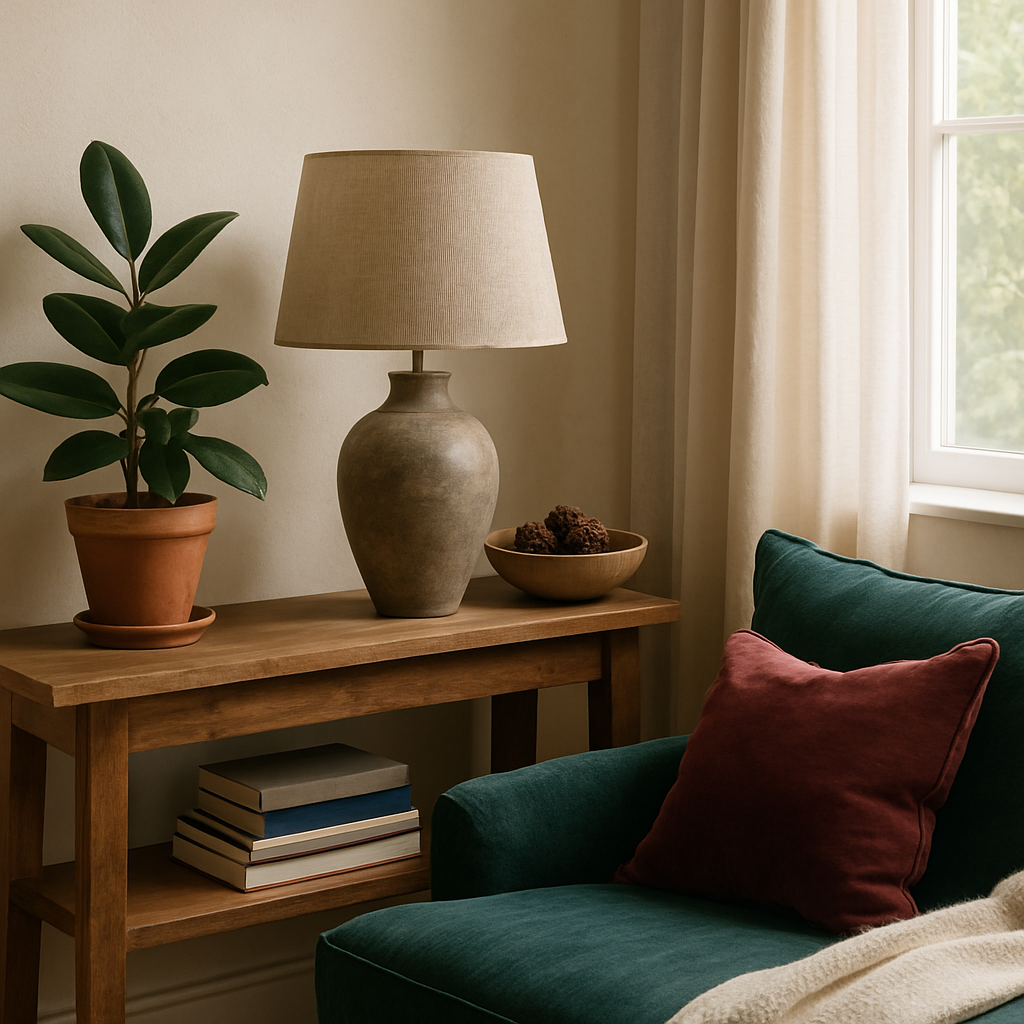
Imagine walking into a room that feels perfectly tailored to your personality and lifestyle. According to industry surveys, a well-designed home can increase its resale value by 5-15%, making it not just a haven but an investment. For many interior design enthusiasts, the journey to creating their dream home begins online. This article will guide you through essential online resources, from foundational design concepts to expert-level insights, helping you transform your space into something extraordinary.
Foundational Concepts in Interior Design
Understanding the foundational concepts of interior design is crucial for any enthusiast. These principles include balance, contrast, and harmony, which are fundamental in creating aesthetically pleasing spaces. Balance refers to the distribution of visual weight in a room, achieved through symmetrical or asymmetrical design elements. Contrast involves using opposing elements, such as light and dark colors, to create visual interest. Harmony is the cohesive blending of all elements, ensuring they work together seamlessly.
To get started, you can explore free online courses offered by platforms like Houzz and Coursera. These platforms provide valuable insights into the basics of interior design, from color theory to furniture arrangement. Houzz, in particular, is a treasure trove of design inspiration and professional portfolios, allowing you to visualize how foundational principles come to life in real-world projects. Are you familiar with these concepts, and how might they transform your space?
For enthusiasts who want to delve deeper, books such as "The Interior Design Reference Manual" by David Kent Ballast are indispensable. This manual covers a wide range of topics, including the NCIDQ (National Council for Interior Design Qualification) exam content, providing a solid foundation for both hobbyists and aspiring professionals. Understanding these concepts not only enhances your design vocabulary but also empowers you to make informed decisions when curating your dream home.
With a grasp of foundational concepts, you'll be better equipped to analyze more complex design elements. This segues naturally into the next section, where we'll explore deeper analysis using data and real-world examples.
Deeper Analysis with Data
When it comes to interior design, data can be your best friend. According to the latest Houzz survey, homeowners spend an average of $5,000-$15,000 on single-room redesigns. This data highlights the importance of budget planning in your design process. It's essential to understand how much you're willing to invest in order to achieve your desired outcome, and online budgeting tools can help you manage these costs effectively.
Architectural Digest's AD PRO network offers access to a plethora of case studies and industry statistics that can serve as benchmarks for your projects. For instance, their research shows a growing trend towards sustainable materials, with 60% of homeowners opting for eco-friendly options. How might these statistics influence your material choices for your next project?
In addition to budget planning, understanding the impact of design on property value is crucial. The American Society of Interior Designers (ASID) provides data indicating that well-executed design can boost a home's resale value significantly. This is particularly important if you're considering selling your home in the future. By leveraging these insights, you can make strategic decisions that enhance both the aesthetic and financial value of your space.
As you gather data and insights, the next logical step is to translate them into actionable strategies. In the following section, we'll discuss practical approaches to bring your design visions to life.
Actionable Strategies for Design Enthusiasts
Turning data into action requires strategic planning and a clear vision. One effective strategy is to create a detailed project plan that outlines your design goals, budget, and timeline. Utilizing tools like Trello or Asana can help you organize tasks and track progress. These platforms offer user-friendly interfaces that allow you to set deadlines, assign tasks, and manage resources efficiently.
Another practical approach is to experiment with AR/VR room visualization tools. Platforms like Planner 5D and Roomstyler provide immersive experiences that allow you to visualize different design elements in your space before making any permanent changes. Experienced professionals often note the value of these tools in reducing costly design mistakes and enhancing client satisfaction.
Furthermore, consider leveraging social media platforms such as Instagram and Pinterest for inspiration and networking. These platforms offer a wealth of design ideas and allow you to connect with industry experts and fellow enthusiasts. By actively engaging with the design community, you can gain fresh perspectives and innovative solutions that you might not have considered. What specific strategies will you implement in your next design project?
Having explored actionable strategies, it's crucial to delve into expert-level details that can further refine your design approach. The subsequent section will provide insights into advanced concepts and professional advice.
Expert-Level Detail: Advanced Concepts
For those ready to take their design skills to the next level, mastering advanced concepts is key. One such concept is biophilic design, which emphasizes the integration of natural elements into interior spaces. This trend has gained popularity for its aesthetic appeal and health benefits, such as improved air quality and reduced stress levels. Incorporating elements like living walls and natural materials can transform your home into a serene retreat.
Quiet luxury, characterized by understated elegance and high-quality materials, is another trend gaining traction. This approach focuses on creating sophisticated spaces that prioritize comfort and functionality over ostentation. Using a neutral color palette and high-end materials such as marble and cashmere can achieve this look. How might you incorporate these elements into your home to elevate its elegance?
Smart home integration is yet another advanced concept gaining popularity. Automated lighting, climate control, and window treatments can significantly enhance the functionality of your space. Platforms such as Google Home and Amazon Alexa offer seamless integration options that allow you to control various aspects of your home with ease. By incorporating these advanced concepts, you can create a home that is not only beautiful but also efficient and tech-savvy.
With these expert-level details in mind, we will move on to additional depth, exploring further resources and professional insights to enhance your design journey.
Additional Depth: Expanding Your Resources
As you continue to refine your interior design skills, expanding your resource pool is essential. Joining professional organizations such as the IIDA (International Interior Design Association) can provide access to a wealth of educational materials and networking opportunities. Membership often includes exclusive access to industry events, workshops, and webinars, offering continuous learning and professional development.
Additionally, local AIA (American Institute of Architects) chapters can be valuable resources for those interested in architectural elements of interior design. These chapters often host events featuring industry leaders, providing insights into the latest design trends and technologies. Attending such events can broaden your understanding of how architecture and interior design intersect, enhancing your ability to create cohesive spaces.
Finally, consider exploring online forums and communities dedicated to interior design. Websites like Design Addicts and Home Design Chat offer platforms for enthusiasts to share ideas, seek advice, and collaborate on projects. Engaging with these communities can provide fresh insights and foster creativity, encouraging you to explore new design avenues. What new resources will you explore to expand your design knowledge?
With additional resources at your disposal, the final section offers perspectives on the ongoing journey of interior design, emphasizing its dynamic and evolving nature.
Final Perspectives: The Dynamic Journey of Design
Interior design is a continually evolving field, shaped by cultural shifts, technological advancements, and personal preferences. As you embark on or continue your design journey, it's vital to remain adaptable and open to new ideas. The resources and strategies discussed in this article provide a foundation, but the true magic lies in how you personalize and apply them to your unique vision.
Staying informed about current trends, such as Japandi, which blends Japanese minimalism with Scandinavian warmth, can inspire fresh approaches to your projects. Experimenting with different styles and techniques allows you to discover what resonates with you and your space. How can you incorporate these evolving trends into your design practice?
Remember that interior design is not just about aesthetics; it's about creating spaces that enhance your quality of life. As you continue to explore and refine your design skills, embrace the dynamic nature of the field, and let it guide you in creating a home that reflects your personality and lifestyle.
Conclusion: Take the Next Step in Your Design Journey
In conclusion, creating your dream home requires a blend of foundational knowledge, strategic planning, and continuous learning. By leveraging the online resources and expert insights discussed here, you can embark on a transformative journey that enhances both the beauty and functionality of your space. Whether you're a seasoned professional or a passionate newcomer, the tools and strategies outlined will support your design aspirations.
Your next step is clear: start by browsing designer portfolios on platforms like Houzz this week. Even 20 minutes of research can sharpen your eye for what you truly want. Dive into the resources, engage with the design community, and let your creativity flourish. Your dream home awaits, and with the right resources, it's within reach.
Comments
Post a Comment