Creating Ambiance: The Psychology Behind Restaurant Interior Design Choices
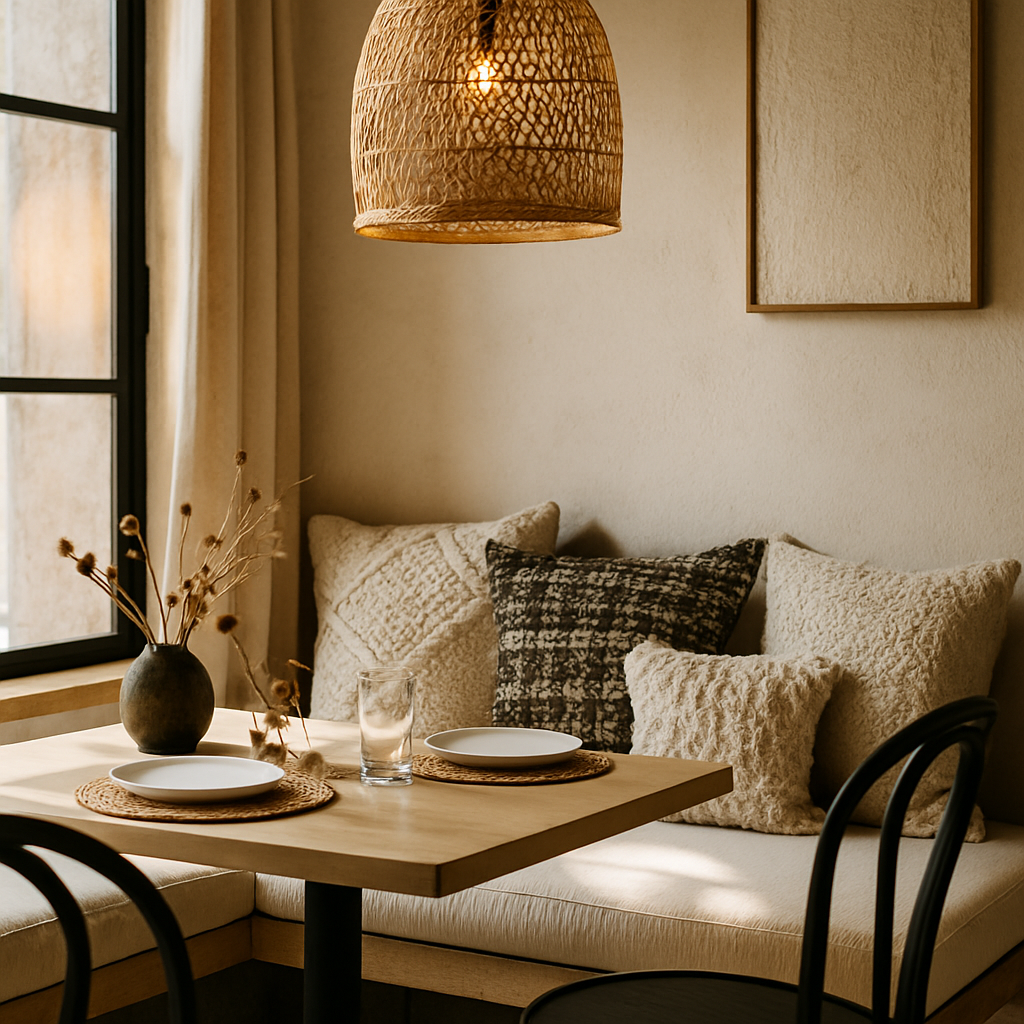
Have you ever walked into a restaurant and immediately felt at ease, ready to enjoy not just a meal but an experience? The secret often lies in the subtle but powerful art of interior design. According to industry surveys, 75% of consumers admit that the ambiance of a restaurant greatly influences their decision to dine there. This statistic highlights the crucial role that interior design plays in shaping customer perceptions and behaviors. In this article, we'll explore the psychology behind restaurant interior design choices, delve into foundational concepts, analyze data-driven insights, and provide actionable strategies. We'll also look at expert perspectives and offer some final thoughts on how you can apply these principles to create an inviting dining space.
Understanding the Basics of Restaurant Interior Design
At its core, restaurant interior design is about creating a space that aligns with the brand's identity while also enhancing the dining experience. One foundational concept is the use of color psychology, which suggests that different hues can evoke various emotional responses. For instance, warm tones like red and orange are often used in dining spaces to stimulate appetite and conversation. Conversely, cooler shades like blue may suppress hunger but create a calming atmosphere. Understanding these basics allows designers to make informed choices that resonate with the restaurant's theme and clientele.
The layout of a restaurant is another critical aspect. A well-thought-out layout not only facilitates smooth operations but also influences how customers interact within the space. Open layouts can foster a sense of community and vibrancy, while more intimate seating arrangements might appeal to those seeking privacy. Experienced professionals often note that the right balance between these elements can enhance the overall dining experience. The design should cater to the specific type of dining experience the restaurant aims to offer, whether it's fast-casual or fine dining.
Lighting is yet another essential component. It sets the mood and can dramatically alter the perception of the space. Dim lighting might be perfect for an upscale romantic setting, while bright lights could be more suitable for a casual, family-friendly environment. Are you considering how lighting impacts your restaurant's ambiance? Thoughtful lighting design can guide the customer's journey through the dining experience, from the moment they enter to the time they leave. As we transition into more complex design considerations, the impact of these basic elements becomes clear.
The Role of Psychology in Design Decisions
Beyond the basics, the psychology behind design choices digs deeper into human behavior and preference. According to research published in the Journal of Environmental Psychology, the environment significantly affects social interaction and overall satisfaction in dining environments. Restaurants that understand and apply these insights often find greater success in cultivating loyal patrons. For example, the strategic placement of mirrors can make a space appear larger and more inviting, thus enhancing customer comfort.
Acoustics also play a vital role. While some may overlook this aspect, sound levels can significantly impact the dining experience. A study by Zagat revealed that noise level is the second most common complaint among diners, following bad service. Effective design incorporates materials that manage sound levels, ensuring that diners can enjoy conversation without shouting. Have you evaluated how sound might be affecting your restaurant's atmosphere? Incorporating sound-absorbing materials like upholstered seats and acoustic panels can mitigate noise issues.
Lastly, consider the psychological impact of decor and artwork. These elements should not only align with the restaurant's theme but also evoke emotions and memories. For instance, a seafood restaurant adorned with nautical-themed decor can transport customers to a coastal retreat, enhancing their overall experience. As we explore actionable strategies in the next section, keep in mind how these psychological elements can be leveraged to create a more engaging dining environment.
Actionable Strategies for Designing Restaurant Interiors
When it comes to actionable strategies, one key approach is to start with a clear concept development phase. This involves defining the restaurant's brand identity and target audience. Are you clear on what story your restaurant's design should tell? A coherent concept ensures that every design choice, from furniture to wall color, is aligned with the restaurant's vision. This phase often involves collaboration with certified interior designers who hold credentials like the NCIDQ (National Council for Interior Design Qualification) to ensure professional standards are met.
Another strategy is to incorporate biophilic design, which connects interior spaces with nature through elements like natural materials, plants, and ample natural light. This approach not only enhances the aesthetic appeal but also promotes well-being, as numerous studies have shown that natural elements can reduce stress and improve mood. Restaurants that adopt biophilic design often see increased customer satisfaction and longer dwell times.
Finally, consider utilizing smart technology to enhance the dining experience. Automated lighting systems, climate control, and even digital menus can streamline operations and offer customers a modern, convenient experience. Are you leveraging technology to improve your restaurant's efficiency and customer satisfaction? The implementation of these technologies should be seamless and enhance, rather than detract from, the overall ambiance. As we transition into more expert-level details, these strategies provide a strong foundation for impactful design.
Expert Insights on Crafting Memorable Dining Spaces
Experienced designers often emphasize the importance of understanding local culture and demographics when designing restaurant interiors. According to the American Society of Interior Designers (ASID), tailoring designs to reflect local tastes can foster a sense of place and authenticity, which is increasingly valued by consumers. For instance, a restaurant in a bustling urban center might focus on sleek, modern design elements, while one in a historic district could incorporate traditional touches.
Another expert insight is the strategic use of space. Restaurants should aim to maximize their floor plan without compromising the comfort of their patrons. According to the International Interior Design Association (IIDA), successful space planning involves not only efficient seating arrangements but also consideration of customer flow and accessibility. This ensures that diners can move comfortably and staff can operate efficiently.
Moreover, experts recommend investing in high-quality materials and finishes that withstand wear and tear while maintaining aesthetic appeal. Durable materials not only ensure longevity but also convey a sense of quality and attention to detail. Are your material choices reflecting the quality and experience you wish to offer? Moving forward, we'll explore additional layers of depth that can further enhance your restaurant's interior design.
Diving Deeper: Additional Design Considerations
In addition to the strategies and expert insights already discussed, there are further nuances to consider when designing restaurant interiors. One such consideration is the integration of sustainable practices. With increasing consumer awareness around environmental issues, incorporating sustainable and reclaimed materials can not only reduce environmental impact but also appeal to eco-conscious diners. This approach aligns with the growing trend of quiet luxury, where understated elegance and quality take precedence over opulence.
Another layer of depth comes from understanding the impact of seasonal and cultural influences on design. For example, a restaurant that adapts its decor seasonally not only keeps the space feeling fresh but also aligns with customer expectations and experiences. Similarly, culturally inspired design elements can resonate with specific customer demographics, enhancing their connection to the space.
Finally, the use of AR/VR technology in the design process is becoming increasingly popular. These tools allow designers and restaurant owners to visualize changes and make informed decisions before implementing them. Are you utilizing the latest technology to enhance your design process? As we move towards concluding this exploration, these additional considerations offer a comprehensive approach to creating a truly memorable dining experience.
Final Perspectives on Restaurant Interior Design
As we've explored, the psychology behind restaurant interior design choices is multifaceted, blending foundational concepts with advanced strategies and expert insights. By understanding how elements like color, layout, acoustics, and technology influence customer behavior, restaurant owners and designers can create spaces that not only attract but also retain diners. The importance of a well-designed interior is underscored by the fact that it can contribute to a 5-15% higher resale value, according to industry statistics.
Ultimately, the goal is to create an environment that aligns with the brand's identity and enhances the overall dining experience. Have you considered how your current design choices reflect your restaurant's vision and customer expectations? As you apply these insights, remember that the most successful designs are those that continually evolve and adapt to changing trends and customer needs.
In conclusion, whether you're opening a new restaurant or revamping an existing one, the principles and strategies discussed can guide you in creating a dining space that resonates with customers and stands the test of time. Start by browsing designer portfolios on platforms like Houzz this week-even 20 minutes of research will sharpen your eye for what you want. Your restaurant's ambiance is not just a backdrop; it's a key element of the dining experience. Make it count.



Comments
Post a Comment