Color Psychology in Living Room Design: Create Your Perfect Ambiance Today
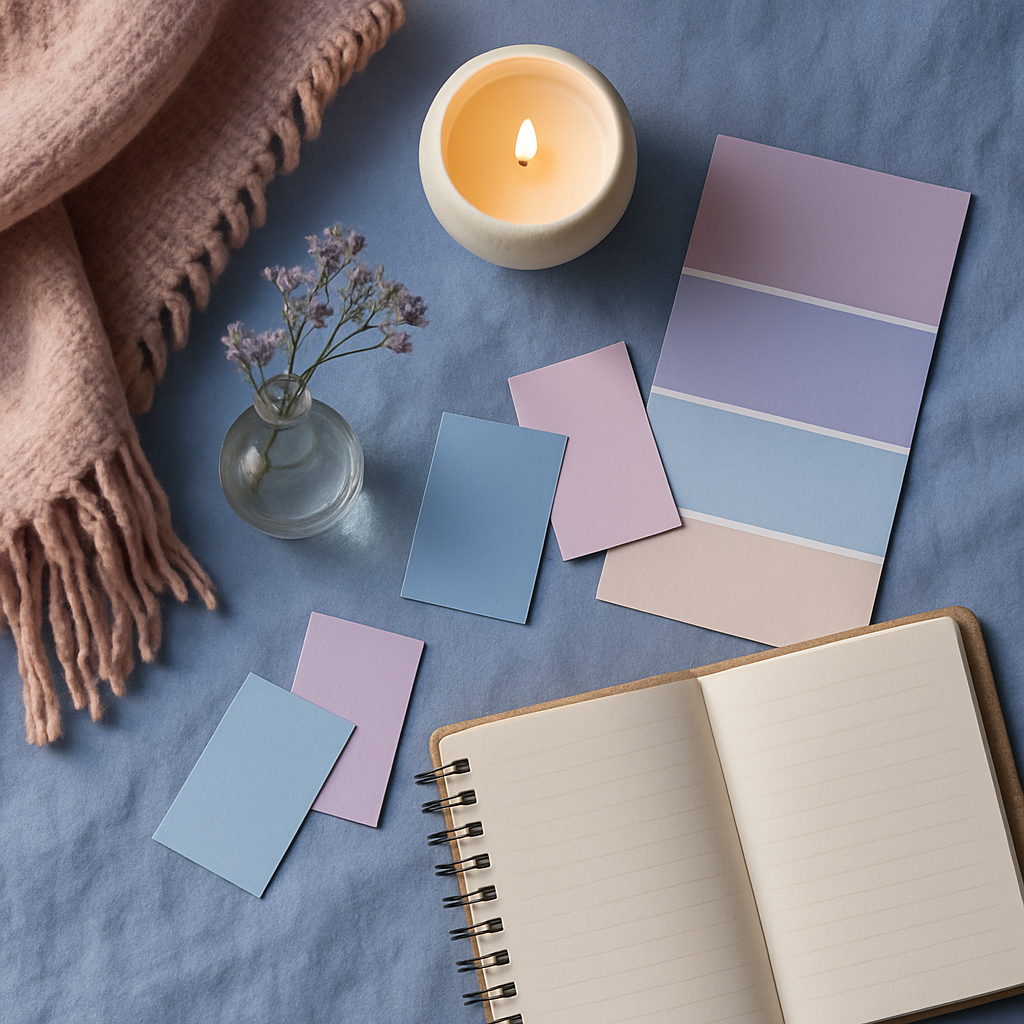
Did you know that the colors you choose for your living room can significantly affect your mood and energy levels? According to a survey by Houzz, nearly 75% of homeowners believe that the right color palette enhances their living experience. Understanding color psychology in living room design is not just about aesthetics; it's about creating a space that feels right for you and your family. In this article, we'll delve into the foundational concepts of color psychology, explore deeper data-driven insights, and share actionable strategies you can apply to your home. Whether you're renovating your entire living space or simply refreshing a single wall, these expert tips will guide you in creating an ambiance that truly resonates.
Understanding the Foundations of Color Psychology
Color psychology examines how hues influence human behavior and mood. When it comes to living room design, selecting the right colors can transform the ambiance from chaotic to calm. Warm colors like reds and oranges are known to stimulate conversation and energy, making them ideal for social spaces. On the other hand, cooler hues such as blues and greens promote tranquility and relaxation, perfect for unwinding after a long day. The key is to balance these elements to create a harmonious environment.
Neutral colors play an essential role in living room design as well. Shades like beige, gray, and taupe often serve as a backdrop, allowing other colors to shine. These neutrals can also help to ground a space, providing a sense of stability and sophistication. Experienced professionals often note that using a mix of warm and cool tones, anchored by neutrals, can bring depth and interest to any design scheme.
Another critical aspect of color psychology is cultural and personal associations. While some may find yellow cheerful and optimistic, others might see it as overwhelming. It's crucial to consider your emotional response to colors, as well as the cultural significance they may hold. By understanding these foundational concepts, you'll be better equipped to make informed design choices that reflect your personality and lifestyle. Transitioning from foundational knowledge, let's examine how data can influence your color decisions.
Data-Driven Insights into Color Selection
Research conducted by the American Society of Interior Designers (ASID) indicates that 68% of homeowners feel more comfortable in rooms with a carefully chosen color palette. This statistic underscores the importance of intentional color selection in living room design. Utilizing data helps you make informed choices that align with both aesthetic preferences and functional needs. For example, studies suggest that blue tones can lower heart rates, making them ideal for creating a calm atmosphere.
Moreover, a Houzz survey highlights that homeowners who integrated green into their living spaces reported higher satisfaction levels, citing the color's connection to nature and rejuvenation. These insights reflect the growing trend towards biophilic design, which emphasizes natural elements to enhance well-being. Understanding the psychological impact of colors can guide you in selecting hues that foster a positive emotional response, ultimately improving your quality of life.
Data also reveals that color preferences can shift with age and lifestyle changes. Younger homeowners might gravitate towards bold, vibrant colors, while older demographics may prefer subdued, classic tones. This highlights the need for a personalized approach to color selection, considering not only current trends but also how these choices might evolve over time. Let's move forward to explore actionable strategies to implement these insights into your living room design.
Actionable Strategies for Applying Color Psychology
Ready to apply color psychology in your living room? Start by assessing the room's purpose. Is it a space for entertaining guests, or a personal sanctuary for relaxation? This will guide your color choices. For social spaces, consider incorporating warm tones such as a vibrant red accent wall or orange throw pillows to energize the atmosphere. In contrast, for a calming retreat, opt for cooler shades, like a soft blue rug or green plants to evoke serenity.
Another effective strategy is layering colors through accessories and textiles. Introduce depth by combining different textures and patterns within the same color family. For instance, mix a navy velvet sofa with lighter blue cushions and a patterned area rug to create visual interest without overwhelming the senses. This approach allows for flexibility, as you can easily swap out elements to refresh the look.
Lighting also plays a crucial role in how colors are perceived. Natural light can enhance warm tones, while artificial lighting might alter their appearance. Test paint samples in various lighting conditions before committing to a color scheme. Are you considering a dramatic change? Use AR/VR room visualization tools, now commonly deployed by designers, to preview different options and ensure satisfaction with your selections. As we delve deeper, discover expert insights that can refine your approach.
Expert Insights for Advanced Color Application
Seasoned interior designers often emphasize the importance of scale and proportion in color application. When working with open-plan living rooms, maintain cohesion by using a consistent color palette throughout the space. This doesn't mean every area must be identical, but there should be a visual thread linking different zones. For example, a statement wall in the dining area can echo the color of the sofa in the living room, tying the spaces together.
Designers certified by the National Council for Interior Design Qualification (NCIDQ) often recommend a 60-30-10 color rule: 60% of the room should be a dominant color, 30% a secondary color, and 10% an accent color. This rule helps in achieving balance and harmony within a space. For instance, paint walls in a dominant neutral, introduce a secondary color through furniture, and add accents with decorative pieces.
Additionally, consider the psychological impact of color on spatial perception. Lighter colors can make a room feel more expansive, while darker hues create a cozier atmosphere. If your living room is compact, opt for lighter tones to open up the space. Conversely, use darker shades to add intimacy to larger rooms. With these expert insights, you can confidently navigate the complexities of color selection. Now, let's explore additional dimensions of color psychology.
Exploring Additional Dimensions of Color Psychology
Color psychology extends beyond the visual, influencing emotional and sensory experiences. Aromatherapy and color often work in tandem, with certain hues paired with specific scents to enhance mood. For instance, lavender tones paired with a lavender aroma can promote relaxation and reduce stress levels. Integrating sensory elements can elevate your living room design by creating a multisensory sanctuary.
Furthermore, the concept of "quiet luxury" - understated elegance with a focus on quality and craftsmanship - is gaining traction in 2026 design trends. This approach often incorporates muted, sophisticated color palettes that exude tranquility and refinement. Consider integrating soft earth tones and pastels to embody this trend, fostering a serene yet luxurious ambiance.
Color psychology is also pivotal in sustainable design. Using paints and materials free from harmful chemicals not only benefits health but aligns with eco-friendly practices. Choosing sustainable options doesn't mean compromising on color vibrancy or durability. Many brands now offer a wide range of eco-conscious colors, allowing you to achieve your desired aesthetic while championing sustainability. As we wrap up, let's consider the lasting impact of these choices on your living room design.
Final Perspectives on Your Living Room's Color Palette
Ultimately, the colors you choose for your living room should reflect your personal taste and enhance your lifestyle. It's about creating a space where you feel comfortable and inspired. Regularly updating your color scheme can also refresh the atmosphere and keep your space feeling vibrant and inviting. Don't hesitate to experiment with new hues and combinations - sometimes, the most unexpected choices yield the best results.
Have you considered the emotional impact your current color palette has on your daily life? It might be time to reassess and realign your living room design with your evolving tastes and needs. Remember, color psychology is a powerful tool that, when used thoughtfully, can transform your living space into a true reflection of who you are.
With a deeper understanding of color psychology, you're equipped to make informed and confident decisions. By embracing both the science and art of color, you can create a living room that not only looks beautiful but also feels perfect. Let's conclude with some actionable steps you can take immediately.
Conclusion: Your Next Steps in Transforming Your Living Room
Color psychology in living room design offers a wealth of opportunities to create a space that suits your needs and preferences. From understanding foundational concepts to applying expert insights, you now have the tools to craft an ambiance that enhances your daily life. Ready to begin? Start by analyzing your current color scheme and identifying areas for improvement. Consider consulting platforms like Houzz or Pinterest for inspiration and examples of successful color applications.
Take action today by selecting a small project, such as painting an accent wall or introducing new textiles, to test your newfound knowledge. Remember, even minor changes can have a significant impact on the overall feel of your space. If you're feeling ambitious, explore the latest AR/VR tools to visualize potential transformations before committing. Start by browsing portfolios on Houzz this week - even 20 minutes of research will sharpen your eye for what you want. Your perfect living room ambiance is just a few thoughtful decisions away.


Comments
Post a Comment