Color Psychology in Interior Design: How to Elevate Your Home's Mood
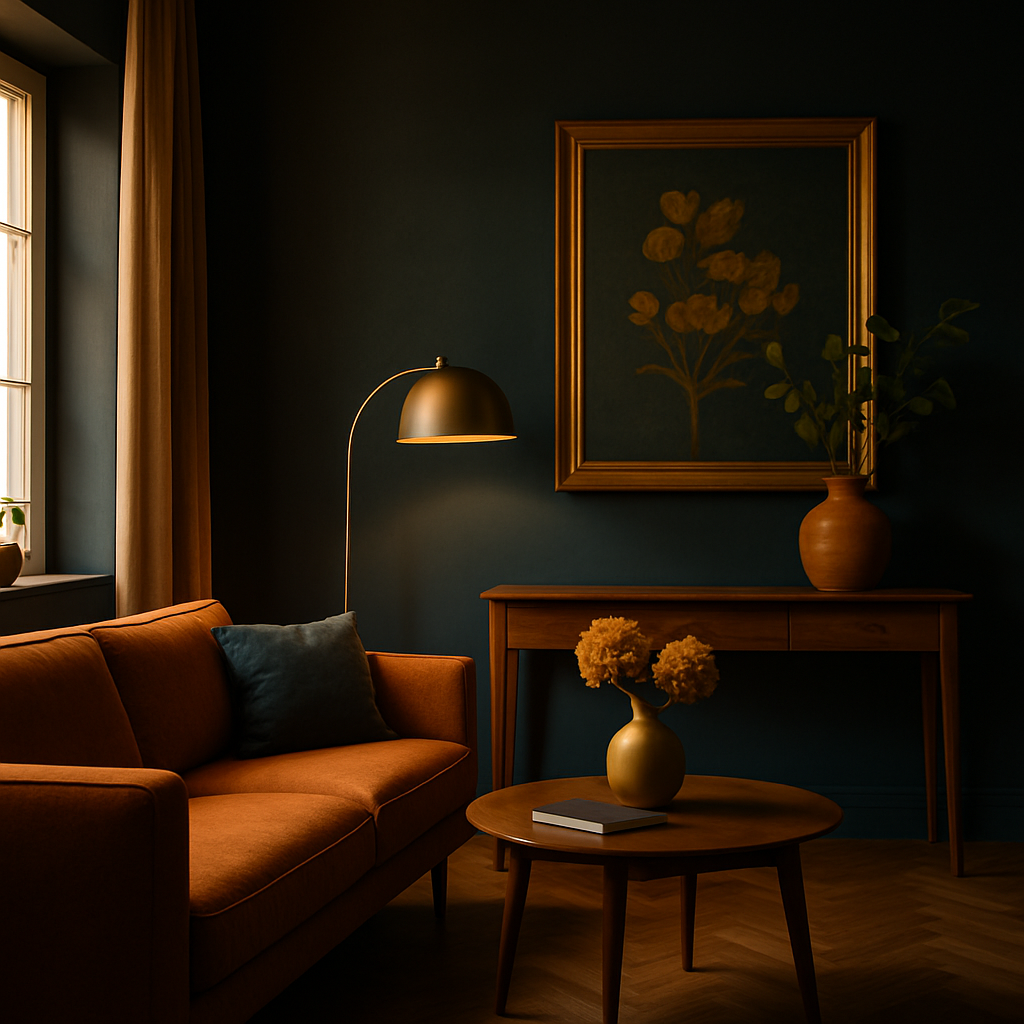
Imagine stepping into a room that instantly soothes your senses or energizes your spirit. This is the transformative power of color psychology in interior design. Recent studies suggest that color can significantly impact mood and behavior, influencing everything from productivity levels to feelings of relaxation. Understanding how to harness this power can elevate your home's ambiance in profound ways. In this article, we'll explore foundational concepts of color psychology, delve into data-backed insights, and offer actionable strategies to help you create spaces that not only look great but also feel right.
Understanding the Basics of Color Psychology
Color psychology is the study of hues as a determinant of human behavior. It's an essential component in interior design, setting the tone and atmosphere of a space. For instance, warm colors like red, yellow, and orange are known to evoke feelings of warmth and comfort, while cool colors such as blue and green can induce calmness and serenity. Recognizing these basic principles can be your first step toward creating a home that resonates with your desired emotional state.
Different colors can trigger different psychological responses. Red, for example, is often associated with passion and energy, making it an excellent choice for spaces where you want to encourage conversation and activity. In contrast, blue is linked to tranquility and can be ideal for bedrooms or bathrooms where relaxation is key. According to the American Society of Interior Designers (ASID), understanding these effects can help homeowners make informed decisions about their color palettes.
Beyond individual colors, the interplay of various hues in a room can significantly affect its ambiance. A monochromatic scheme can create a sense of harmony and simplicity, while complementary colors can add vibrancy and interest. As you begin to consider your color choices, think about the overall mood you wish to cultivate in your home. This foundational understanding of color psychology is crucial as we move into more detailed analysis.
The Science Behind Color and Mood
Color psychology isn't just about subjective feelings; it's grounded in scientific research. A study published in the Journal of Environmental Psychology indicates that colors can have measurable effects on mood and cognition. For example, exposure to blue light has been shown to increase alertness and performance, which is why it's often incorporated into work environments. This data informs how designers approach color selection in commercial and residential spaces alike.
Moreover, the impact of color extends to physiological responses. Research from the International Journal of Industrial Ergonomics highlights that red can increase heart rate and stimulate the senses, making it a powerful choice for creating dynamic spaces. On the other hand, green has been found to reduce stress and promote healing, which supports its use in healthcare settings and restful home environments. Understanding these scientific underpinnings can help you select colors that align with your desired outcomes.
Experienced professionals often note that while trends come and go, the psychological effects of color remain consistent. According to Houzz's annual survey data, homeowners who thoughtfully integrate color psychology into their design plans report higher satisfaction with their projects. These insights underscore the value of considering both aesthetic appeal and emotional impact when choosing colors for your home. As we move forward, let's explore how you can apply this knowledge in practical ways.
Practical Strategies for Applying Color Psychology
Ready to transform your space with color psychology? Start by mapping out your daily activities and the emotions you wish to evoke in each room. Do you want your home office to boost creativity and focus? Consider incorporating shades of green and blue. If you're aiming for a cozy, inviting living room, warm neutrals and soft reds could be your best bet. By aligning color choices with function and mood, you can create a home that supports your lifestyle.
Another key strategy is to use accent colors to influence mood without overwhelming the senses. For example, a bold red throw pillow or a vibrant yellow piece of art can invigorate a space without dominating it. This approach is particularly effective in minimalist or neutral environments, where even small pops of color can have a significant impact. Houzz suggests experimenting with different accessories and artwork to find the right balance.
Don't forget the importance of lighting in your color scheme. Natural light can enhance color perception, while artificial lighting can alter hues and affect mood. As you design your space, consider the lighting sources available and how they interact with your chosen palette. Smart home integration, which includes adjustable lighting systems, offers a versatile solution to modify the ambiance at the touch of a button. With these strategies in hand, you can begin to see how color psychology might transform your home.
Expert Insights on Color Trends
Looking for expert advice on current color trends? The 2026 design landscape embraces biophilic design, featuring natural materials and earthy tones. This trend aligns with the growing preference for sustainable and eco-friendly interiors. Designers from the International Interior Design Association (IIDA) emphasize the use of greens and browns to foster a connection with nature and enhance well-being.
Another prominent trend is the rise of "quiet luxury," characterized by understated elegance and a focus on quality over quantity. This movement often incorporates neutral palettes with subtle pops of color to create sophisticated spaces. According to Architectural Digest's AD PRO network, shades like soft taupe and muted gold are making waves in luxury interiors, offering a timeless yet contemporary appeal.
The Japandi style, a fusion of Japanese minimalism and Scandinavian warmth, continues to gain popularity. This aesthetic uses a restrained color palette of whites, grays, and natural wood tones, focusing on simplicity and functionality. By incorporating these trends into your home, you can stay at the forefront of interior design while also considering the emotional impact of your color choices. As we delve deeper, let's examine additional details that can refine your approach.
Additional Considerations for Color Selection
When selecting colors, consider the size and natural light in each room. Smaller spaces tend to benefit from lighter shades that can make them appear more expansive, while larger rooms can accommodate bolder hues without feeling overwhelming. This principle is supported by the National Council for Interior Design Qualification (NCIDQ), which emphasizes the role of color in spatial perception.
Also, be mindful of the psychological associations with certain colors based on cultural contexts. For example, while white is often associated with purity and cleanliness in Western cultures, it can signify mourning in others. Understanding these nuances can help you make more culturally sensitive choices, especially if you have a diverse household or frequently entertain guests from various backgrounds.
Finally, remember that personal preferences play a crucial role in color selection. While trends and psychology offer valuable guidelines, your home should ultimately reflect your taste and personality. Consider creating mood boards or using AR/VR room visualization tools, which many designers now employ, to experiment with different palettes before making a final decision. With these additional insights, you're well-equipped to refine your color strategy.
Refining Your Color Strategy
As you refine your color strategy, take time to observe how different hues affect your mood throughout the day. You might notice that a color you initially liked feels overstimulating after a few hours or that a subtle shade becomes more appealing with prolonged exposure. This iterative process can guide you toward choices that truly enhance your living environment.
Don't hesitate to consult with certified interior designers, especially if you're embarking on a large-scale project. Professionals with credentials like NCIDQ or ASID have the expertise to navigate complex design challenges and can offer personalized advice tailored to your needs. By leveraging their insights, you can ensure that your color choices align with both your aesthetic vision and emotional goals.
Ultimately, the journey of exploring color psychology in interior design is about creating spaces that resonate with who you are. By understanding the principles, leveraging expert insights, and experimenting with different strategies, you can craft a home that supports and elevates your mood. As we conclude, let's summarize the key takeaways and the next steps you can take.
Conclusion
Incorporating color psychology into your interior design process can profoundly impact your home's mood and functionality. By understanding foundational concepts, exploring scientific insights, and applying practical strategies, you can create spaces that not only look beautiful but also support your well-being. Remember to consider current trends, cultural nuances, and personal preferences as you refine your color strategy.
Ready to start transforming your home? Begin by browsing designer portfolios on platforms like Houzz and Pinterest this week. Even dedicating just 20 minutes can sharpen your eye for what resonates with you. As you explore, ask yourself which colors evoke the emotions you want to feel in your space. With thoughtful planning and inspiration, your home can become a true reflection of your aspirations and lifestyle.



Comments
Post a Comment