Color Palettes That Pop: Trending Bedroom Design Ideas for a Fresh Look
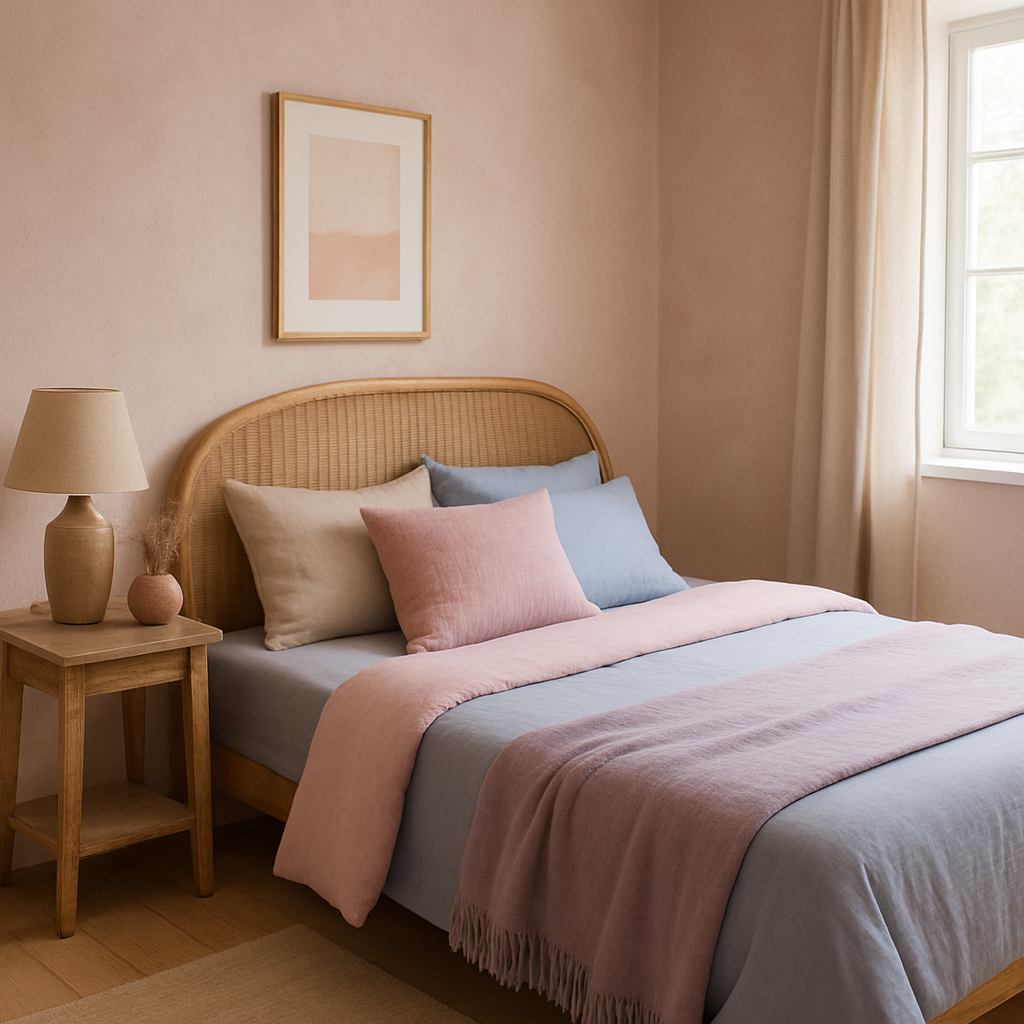
Have you ever walked into a bedroom and felt instantly at ease, as if the colors themselves were giving you a warm embrace? This is the magic of a well-chosen color palette. According to the American Society of Interior Designers (ASID), color can influence mood and perception, making it an essential element in interior design. In this article, we'll explore trending bedroom design ideas that will breathe new life into your space. We'll cover foundational concepts of color theory, delve into data-driven insights, and provide actionable strategies for incorporating these trends into your home. By the end, you'll have a clear roadmap for transforming your bedroom into a vibrant, cohesive retreat.
Understanding the Basics of Color Theory
Before diving into trending color palettes, it's crucial to understand the basics of color theory. At its core, color theory involves the study of how colors interact and the visual effects of color combinations. The color wheel, developed by Sir Isaac Newton in 1666, remains a foundational tool. It divides colors into primary (red, blue, yellow), secondary (green, orange, purple), and tertiary categories, helping designers create harmonious schemes.
Complementary colors, which are opposite each other on the color wheel, can make a room's features pop. For example, pairing a soft lavender with a bold mustard can create a striking yet balanced look. Experienced professionals often note that using analogous colors-those next to each other on the wheel-such as blue, blue-green, and green, can result in a more serene and cohesive design. This principle is particularly effective in bedroom spaces where relaxation is paramount.
In addition to the color wheel, saturation and value also play significant roles in design. Saturation refers to the intensity of a color, while value describes its lightness or darkness. By manipulating these elements, you can create depth and interest in a room. For instance, a high-saturation color can be used for an accent wall to draw attention, while muted tones can provide a calming backdrop. As we explore trending palettes, consider how these foundational concepts can be applied to create a bedroom that truly resonates with you.
The Impact of Color on Mood and Behavior
Color's impact on mood and behavior is well-documented, with design professionals recognizing its power to transform spaces and influence emotions. According to a survey by Houzz, 75% of respondents reported feeling more at ease in rooms with a carefully considered color scheme. This statistic underscores the importance of selecting hues that not only appeal aesthetically but also support the desired ambiance of a bedroom.
Warm colors like reds, oranges, and yellows are known to evoke feelings of energy and warmth, making them suitable for spaces where activity is encouraged. However, in bedrooms, these colors can be used sparingly to create a cozy nook or accent area. In contrast, cool colors such as blues, greens, and purples are often associated with calm and tranquility, perfect for a restful environment. A soft blue palette, for example, can mimic the soothing qualities of water and sky, promoting relaxation.
Neutral colors also play a crucial role in bedroom design. Shades of white, beige, and gray provide a backdrop that allows other colors to stand out. They can also enhance natural light, making a room feel more open and airy. According to Architectural Digest's AD PRO network, incorporating varying tones of neutrals can add sophistication to a space without overwhelming it. As you plan your bedroom's color palette, consider how these insights into color psychology can guide your choices.
Incorporating Trending Palettes into Your Bedroom
Now that we've explored the fundamentals and psychology of color, it's time to look at some trending palettes that can rejuvenate your bedroom. One popular trend is biophilic design, which emphasizes the connection between interiors and nature. This approach often incorporates earth tones like terracotta, sage green, and clay, creating a serene and grounded atmosphere. These colors can be paired with natural materials like wood and stone to enhance the organic feel.
Another trend gaining momentum is the Japandi style, a fusion of Japanese minimalism and Scandinavian warmth. This style favors muted, neutral palettes with occasional pops of color for contrast. Think soft grays and creams accented with deep indigo or charcoal. This restrained use of color emphasizes simplicity and functionality, ideal for a clutter-free bedroom.
For those looking for a bolder statement, the use of jewel tones can add drama and luxury to a space. Rich hues like emerald green, sapphire blue, and ruby red can be incorporated through textiles, paint, or statement furniture pieces. These colors work particularly well in rooms with ample natural light, as the sunlight enhances their vibrancy. As you explore these trends, consider which aligns with your personal style and how you can integrate them into your bedroom for a fresh, modern look.
Expert Techniques for Selecting Colors
Selecting the right colors for your bedroom can be daunting, but with expert techniques, the process becomes more manageable. One effective method is to create a mood board using online platforms like Pinterest or Houzz, where you can gather inspiration and visualize how different colors and textures work together. This step is crucial for ensuring that the colors you love will harmonize in your space.
The use of AR/VR room visualization tools is another innovative way to experiment with color before making a commitment. These tools allow you to see how different palettes will look in your actual room, providing valuable insights that can guide your decisions. Many designers now incorporate these technologies to help clients feel more confident about their choices.
Experienced professionals also recommend starting with a dominant color and building around it. This primary hue should reflect your personal taste and the mood you wish to create. Once selected, secondary and accent colors can be chosen to complement and enhance the overall scheme. By following this structured approach, you can avoid common pitfalls and ensure a cohesive and visually appealing result. With your colors selected, the next step is understanding how to implement them effectively in your space.
Implementing Your Chosen Color Palette
Once you've settled on a color palette, the next challenge is implementing it in your bedroom. Start by selecting wall paint, as this will set the tone for the entire room. Consider an accent wall for a touch of drama, or keep it uniform for a more understated look. According to the International Interior Design Association (IIDA), painting is one of the most impactful and cost-effective ways to transform a space.
Textiles are another powerful tool for introducing color. Bedding, curtains, and rugs offer opportunities to incorporate secondary and accent hues. Consider layering different textures and patterns to add depth and interest. For example, a plush velvet bedspread in a jewel tone can be complemented with crisp, white linens and a patterned throw pillow.
Furniture and decor items such as lamps, artwork, and vases can also reinforce your chosen palette. When selecting these pieces, ensure they align with the overall theme and color scheme. Mixing different materials, like metal and wood, can add balance and sophistication. As you bring your vision to life, remember that the key to a successful design is consistency and attention to detail. With your bedroom color palette in place, you'll be ready to enjoy a refreshed and inviting space.
Final Perspectives on Bedroom Color Design
As you embark on the journey of redesigning your bedroom, keep in mind that color is a powerful tool that can significantly impact the feel and functionality of your space. The right palette not only enhances aesthetics but also supports the mood and energy of the room. Whether you're drawn to the calming influence of cool tones or the invigorating effect of warmer hues, your choices should ultimately reflect your personal style and preferences.
Remember to take advantage of the resources available to you, from mood boards to visualization tools, to ensure that your design decisions are well-informed and thoughtful. Engage with platforms like Houzz and Instagram to gain inspiration and connect with professionals who can offer guidance and expertise.
Your bedroom is a personal sanctuary, and its design should serve as a reflection of who you are. By carefully considering your color choices and how they interact with the space, you'll create a room that not only looks beautiful but also feels like a true home. As we conclude, let's recap the strategies that will help you achieve this transformation.
Conclusion: Bringing Your Bedroom to Life
In summary, selecting the right color palette is a crucial step in transforming your bedroom into a space that pops with personality and style. Start by understanding the basics of color theory and its impact on mood. Then, explore trending palettes and consider how they align with your personal tastes. Utilize expert techniques and innovative tools to make informed decisions, and implement your chosen colors with care and consistency.
Now that you're equipped with these insights, it's time to put them into action. Start by browsing designer portfolios on Houzz this week. Even dedicating just 20 minutes to research can sharpen your eye for what you truly want. Remember, your bedroom is a reflection of you-make it a space where you can relax, recharge, and feel inspired every day.



Comments
Post a Comment