Choosing the Right Interior Design Studio: Key Factors for Stunning Home Makeovers
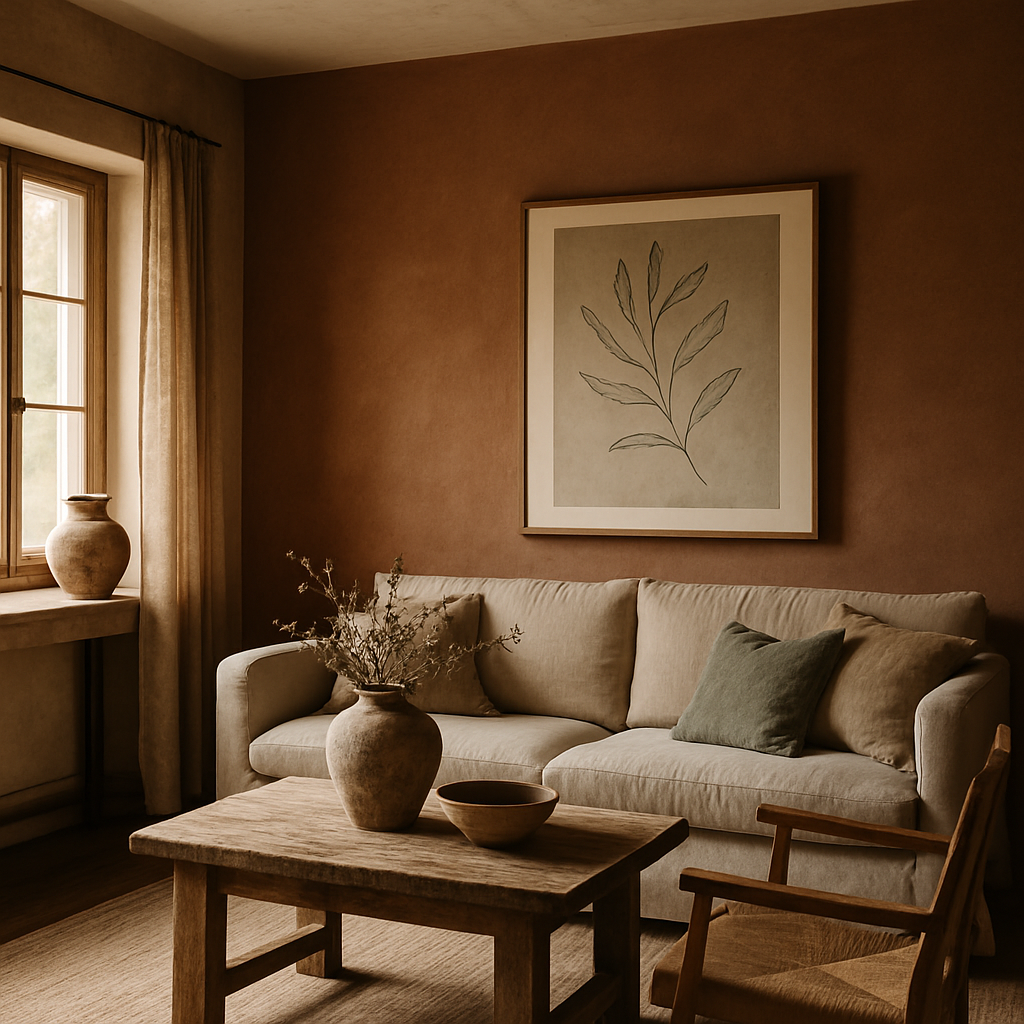
Have you ever walked into a room and felt the perfect harmony of space, light, and style? That transformative power of design can dramatically enhance your living environment. But, achieving such a stunning home makeover requires choosing the right interior design studio-one that aligns with your vision and needs. This decision is more nuanced than it seems, involving considerations of credentials, design style, budget, and more. In this article, we'll explore these key factors, guiding you to make an informed choice that will elevate your home to new heights.
Understanding the Basics: Credentials and Expertise
When embarking on a home makeover, the first critical step is to understand the qualifications of the interior design studio you are considering. Experienced professionals often note that hiring a certified interior designer can significantly impact the outcome of your project. Look for certifications like the NCIDQ (National Council for Interior Design Qualification), which is considered the gold-standard credential in the industry. This certification ensures that the designer has met specific education and experience requirements, and passed a rigorous exam.
It's essential to distinguish between certified interior designers and decorators. While decorators may have a strong eye for aesthetics, certified designers possess a deeper understanding of space planning, building codes, and project management. According to the American Society of Interior Designers (ASID), a certified designer can not only enhance the aesthetic appeal of your home but also increase its resale value by 5-15%. This dual benefit makes credentials a foundational aspect to consider.
Beyond certifications, explore the studio's portfolio to assess their expertise and style. Platforms like Houzz and Architectural Digest's AD PRO offer access to designer portfolios and project photos, enabling you to match a studio's strengths with your design goals. Do they specialize in modern minimalism or classic elegance? Understanding their strengths will help you align your vision with their expertise, setting the stage for a successful collaboration.
Budgeting and Fee Structures: Navigating Costs
Once you've assessed credentials, the next crucial factor is budgeting. How much are you willing to invest in your home makeover? According to Houzz's annual survey data, the average budget for a single room redesign ranges from $5,000 to $15,000, while a full-home project can start at $50,000 and go beyond $150,000. Understanding these figures can help you set realistic expectations for your project.
Interior design studios typically offer various fee structures, including flat fees, hourly rates, and percentages of the total project cost. Hourly rates can vary widely, generally ranging from $150 to $500 per hour, while the percentage of project cost often falls between 10-25%. Some studios may also apply procurement markups on furniture and materials, adding another layer to consider. Be sure to discuss these details upfront to avoid any surprises during the project.
Furthermore, inquire about any additional costs that may arise during the project. Changes in design direction, unforeseen structural issues, or delays can all impact the final cost. Engaging in transparent conversations about budget and costs with your chosen studio will ensure that you both have a clear understanding of financial expectations, paving the way for a smoother design process.
Defining Your Style: Aligning Visions
What style resonates with you? Identifying your design preferences is an essential part of choosing the right interior design studio. Are you drawn to the clean lines of Japandi, which combines Japanese minimalism with Scandinavian warmth? Or do you prefer the opulence of quiet luxury, characterized by understated elegance and high-quality materials? Knowing what you want will help you assess whether a studio's portfolio aligns with your vision.
To refine your style, experienced professionals suggest leveraging social media platforms like Instagram and Pinterest. These platforms can be invaluable for collecting inspiration and visualizing how different styles might work in your space. Save images that speak to you, and consider how elements like color, texture, and layout could be integrated into your home.
Once you have a clear sense of your preferred style, communicate this vision to potential design studios. During consultations, share your inspiration boards and discuss how they can bring these ideas to life. This dialogue not only helps the designer understand your tastes but also enables them to offer suggestions that enhance and refine your vision, ensuring a cohesive and personalized design.
Current Trends: Staying Ahead of the Curve
To ensure your home makeover remains timeless yet contemporary, consider incorporating current design trends. One popular trend is biophilic design, which emphasizes natural materials, living walls, and a seamless indoor-outdoor flow. This approach not only enhances aesthetics but also improves wellness by connecting occupants with nature.
Another trend gaining traction is smart home integration. From automated lighting and climate control to smart window treatments, technology is becoming an integral part of modern interior design. These systems offer convenience and energy efficiency, making them an attractive addition to any home makeover.
Sustainability is also at the forefront of design trends. More homeowners are opting for reclaimed materials and eco-friendly furnishings, aligning with a growing commitment to environmental responsibility. When consulting with design studios, ask how they incorporate sustainable practices into their projects. This not only supports a greener planet but can also add a unique character to your home.
The Design Process: What to Expect
Understanding the design process is crucial for ensuring a smooth collaboration with your chosen studio. Typically, the process involves several phases: concept development, design presentation, procurement, installation, and styling. Each phase plays a critical role in bringing your vision to life.
During concept development, the studio will work closely with you to refine your ideas and establish a clear direction. This phase often involves creating sketches, mood boards, and preliminary layouts. Following this, the design presentation phase provides detailed plans and visualizations, allowing you to see how your ideas will be realized.
The procurement phase involves sourcing materials, furniture, and accessories. Here, the studio's connections with vendors and suppliers can be invaluable, often resulting in access to exclusive pieces and discounts. Once all elements are procured, the installation and styling phase transforms your space, with the studio managing logistics to ensure everything comes together seamlessly. A thorough understanding of these phases ensures you know what to expect and can prepare accordingly.
Final Considerations: Making the Right Choice
As you narrow down your options, ask yourself which studio truly understands your vision and needs. Do they offer the right balance of creativity and practicality? Are they transparent about costs and timelines? These considerations are vital to ensuring a successful partnership.
It's also helpful to seek testimonials from past clients or request references to gauge the studio's reliability and professionalism. A good track record of satisfied clients can provide peace of mind and assurance that your project is in capable hands.
Ultimately, choosing the right interior design studio is about finding a team that resonates with you both personally and professionally. Trust your instincts and prioritize open communication, as these elements are key to achieving a stunning home makeover that exceeds your expectations.
Conclusion: Your Next Steps Toward a Transformed Home
In summary, selecting the right interior design studio involves a careful consideration of credentials, budget, style alignment, and current trends. By understanding the design process and establishing clear communication, you can ensure a successful collaboration that brings your vision to life. Now, take the first step towards your home transformation: start by browsing designer portfolios on platforms like Houzz or Architectural Digest this week. Even 20 minutes of research will sharpen your eye for what you want.
Are you ready to embark on this exciting journey of creating a space that truly reflects your personality and lifestyle? Contact a certified interior designer today to begin the process, and watch your home transform into the stunning haven you've always dreamed of.



Comments
Post a Comment