Choosing the Right Interior Design Studio: Key Tips for Homeowners
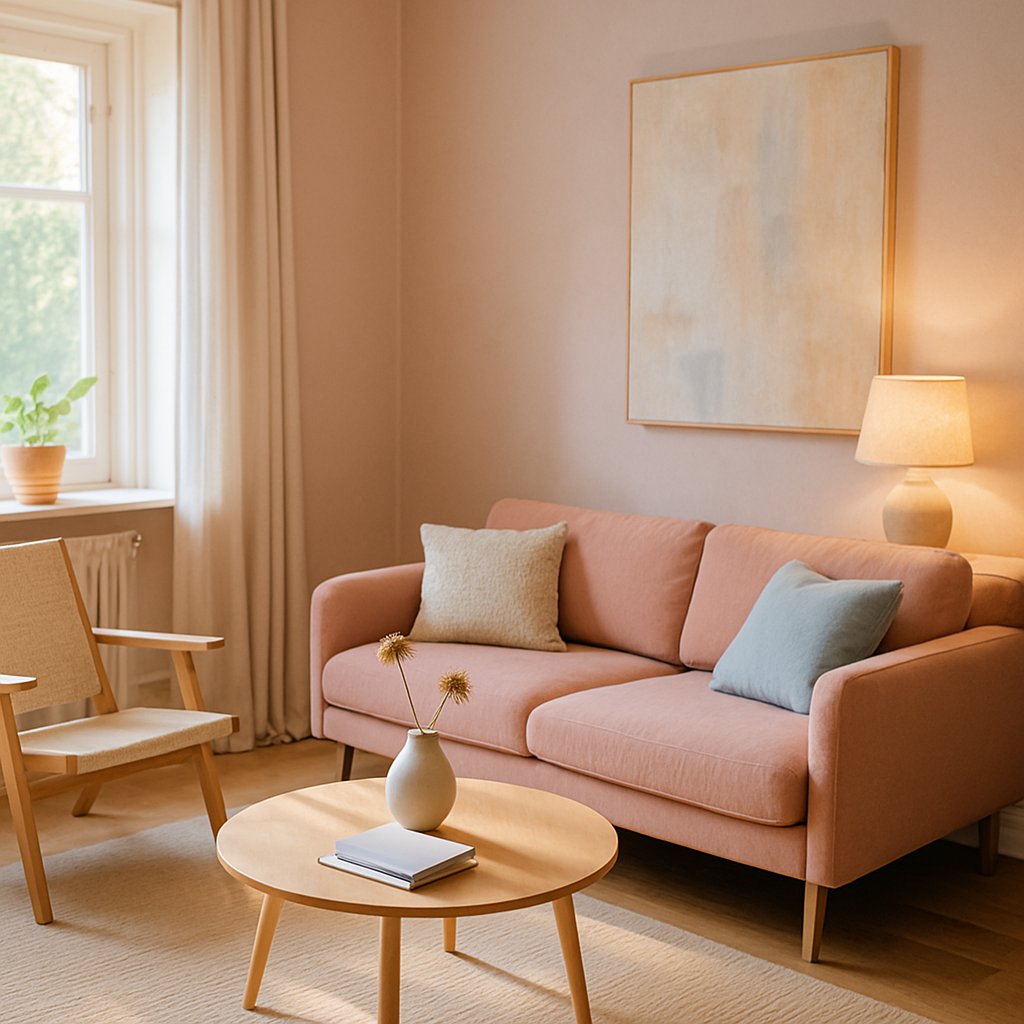
When embarking on a home redesign journey, selecting the right interior design studio can significantly impact your project's outcome. According to the American Society of Interior Designers (ASID), a well-designed interior can enhance a home's resale value by 5-15%. With such a valuable return on investment, it's crucial to choose wisely. In this guide, we'll explore the foundational concepts of interior design selection, delve into data-backed analysis, and provide actionable strategies to ensure you make an informed decision. We'll also discuss the importance of professional credentials, current design trends, and offer expert-level insights to guide you through this process.
Understanding the Basics of Interior Design
Before you start your search for the perfect interior design studio, it's essential to understand the fundamental principles of interior design. At its core, interior design involves creating functional and aesthetically pleasing spaces by balancing elements such as color, texture, and form. Experienced designers often emphasize the importance of understanding how you use each space in your home, from where you drop your keys to where your family gathers for meals. This practical foundation ensures that the design enhances your daily life.
One of the first steps in choosing a design studio is distinguishing between interior designers and decorators. Certified interior designers often hold credentials from organizations like the NCIDQ (National Council for Interior Design Qualification) or ASID, indicating their expertise in spatial planning, building codes, and accessibility standards. Decorators, while skilled in aesthetics, may not have the same level of formal training or certification. Knowing the difference can help you align your needs with the right professional.
Additionally, consider your project's scope and budget. According to Houzz, homeowners typically spend between $5,000 and $15,000 on a single-room redesign, while full-home projects can range from $50,000 to $150,000 or more. Understanding these figures can guide your expectations and help you select a studio that fits your financial constraints. As we move into the next section, we'll explore how industry data can further inform your decision-making process.
Leveraging Data in Your Decision-Making
Data plays a crucial role in selecting the right interior design studio. For instance, Houzz's annual survey reveals that 87% of homeowners prioritize hiring professionals who can help them achieve a cohesive design that reflects their personal style. This statistic underscores the importance of finding a studio that aligns with your aesthetic preferences and can execute your vision effectively. Are you drawn to minimalist designs, or do you prefer a more eclectic approach?
Moreover, industry surveys suggest that the most satisfied clients are those who engage designers early in the project. When you involve a design studio from the concept development phase, you benefit from their expertise in space planning and material selection, which can prevent costly mistakes later on. According to Architectural Digest's AD PRO network, early-stage collaboration can lead to more innovative and satisfactory outcomes.
Another critical data point to consider is communication. Research shows that regular updates and clear communication are top factors in client satisfaction. When evaluating studios, inquire about their communication style and frequency of updates. This ensures that you're not left in the dark during the design process. Next, we'll discuss actionable strategies to help you make the most informed choice.
Actionable Strategies for Selecting a Design Studio
When it comes to choosing the right interior design studio, actionable strategies can make a world of difference. Start by researching online portfolios on platforms like Houzz and Pinterest. These sites offer a wealth of visual inspiration and allow you to see the range of styles each studio offers. Pay attention to the details: do the designers use sustainable materials or incorporate smart home technology into their designs?
Once you've shortlisted potential studios, schedule consultations to discuss your project. During these meetings, ask targeted questions about their design process, fee structures, and previous projects. Many studios offer flat fees, hourly rates ranging from $150 to $500, or a percentage of the total project cost, typically between 10% and 25%. Understanding their pricing model will help you budget effectively and avoid surprises down the line.
Additionally, seek references from past clients. Speaking with homeowners who have completed similar projects can provide valuable insights into a studio's strengths and potential challenges. As you gather this information, you'll be better equipped to make a confident decision. In the following section, we'll delve into expert-level details that can further refine your selection process.
Expert Insights into Studio Selection
Experienced professionals often note that the chemistry between a client and their design studio is paramount. A studio might have an impressive portfolio and credentials, but if the team doesn't understand your vision or communicate well, the project can falter. Consider your initial interactions with potential studios as a litmus test for future collaboration. Are they attentive listeners? Do they offer insightful suggestions that resonate with your goals?
Furthermore, examine the studio's adaptability to design trends. In 2026, trends like biophilic design, which emphasizes natural materials and indoor-outdoor flow, and Japandi, a blend of Japanese minimalism and Scandinavian warmth, are gaining traction. A studio that stays current with these trends can offer innovative solutions that enhance your home's appeal and functionality. How do they incorporate these trends while maintaining timeless design principles?
Lastly, assess the studio's technical capabilities. Many studios now use AR/VR room visualization tools, allowing you to preview designs before implementation. This technology can significantly enhance your understanding of the proposed design and ensure alignment with your expectations. As we transition to the next section, let's explore additional details that can influence your decision.
Additional Considerations for Your Decision
Beyond aesthetics and budget, consider the logistical aspects of working with a design studio. Inquire about their project management process, including timelines and milestone tracking. A studio that provides a detailed plan with regular updates can alleviate stress and keep the project on track. How do they handle unexpected delays or changes in scope?
Another factor is the studio's network of suppliers and contractors. Studios with well-established relationships can often secure better pricing and prioritize your project, leading to smoother execution. Ask about their procurement process and whether they mark up furniture prices or pass savings directly to you. This transparency can impact your overall budget and satisfaction.
Lastly, prioritize studios that emphasize sustainability and ethical sourcing. With growing awareness of environmental impacts, many homeowners seek designs that incorporate reclaimed materials and energy-efficient solutions. A studio committed to sustainability can enhance your home's green credentials and align with your values. As we approach the final perspectives, consider how these additional factors align with your priorities.
Final Perspectives on Choosing a Design Studio
Having explored various facets of selecting the right interior design studio, it's clear that a thoughtful approach is necessary. Reflect on your interactions with potential studios and consider which team genuinely understands your vision and priorities. The right studio should feel like a partner in crafting a space that resonates with you on a personal level.
It's also vital to remain adaptable. Design projects can evolve, and flexibility in your relationship with the studio can lead to creative solutions that exceed your initial expectations. By focusing on clear communication, alignment with design trends, and a shared vision, you increase the likelihood of a successful project outcome.
With these insights, you're well-prepared to embark on your interior design journey. In the conclusion, we'll summarize key points and offer a concrete next step to take your project forward.
Conclusion: Taking the Next Step
Choosing the right interior design studio is a crucial step in transforming your living space. By understanding the basics, leveraging data, and applying expert strategies, you position yourself for success. Remember to focus on credentials, like those from the NCIDQ or ASID, and stay informed on design trends that can elevate your project.
Now that you're equipped with this knowledge, take action by starting your research on Houzz or contacting local studios for initial consultations. Even dedicating 20 minutes this week to browsing portfolios will refine your preferences and prepare you for discussions with potential partners. Begin today, and take the first step towards creating a space that truly reflects your style and needs.



Comments
Post a Comment