Budget-Friendly Interior Design: How to Create Your Dream Home Online
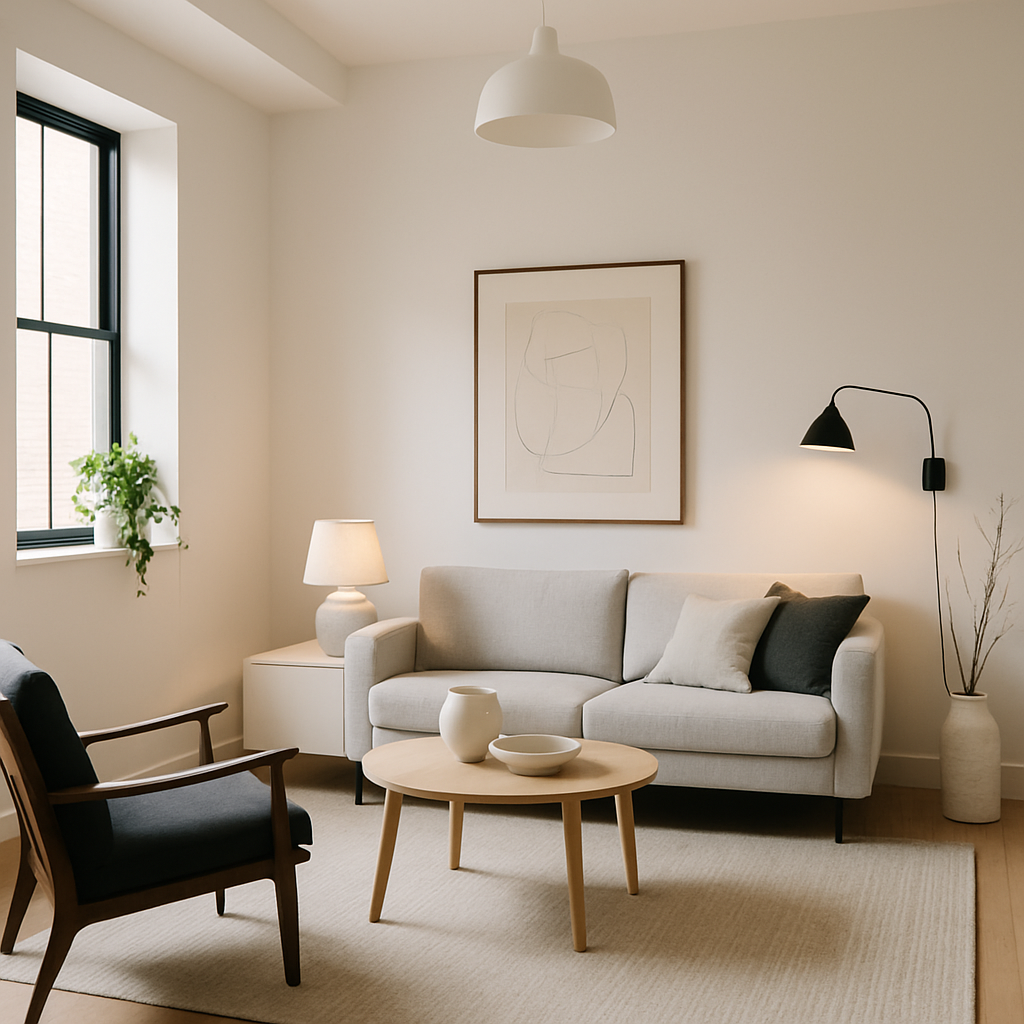
Did you know that according to a Houzz survey, 72% of homeowners who completed a recent renovation said they were more satisfied with their homes? Yet, for many, the cost of hiring an interior designer can be prohibitive. Enter the world of budget-friendly interior design, where you can create your dream home online without breaking the bank. In this article, we'll explore foundational concepts for designing on a budget, delve into online tools and platforms, offer actionable strategies, and provide expert-level insights. Whether you're redesigning a single room or an entire home, these tips will guide you toward achieving the perfect blend of style and affordability.
Understanding the Basics of Budget-Friendly Design
Before embarking on your interior design journey, it's crucial to understand the basics of budget-friendly design. One key element is prioritization. Identify which areas of your home need the most attention, then allocate your budget accordingly. This approach ensures that you invest in high-impact areas that will enhance your living space the most. Consider starting with the rooms where you spend the most time, such as the living room or kitchen.
Another foundational concept is setting a realistic budget. According to the American Society of Interior Designers (ASID), a single-room redesign can range from $5,000 to $15,000, while a full-home project can soar to $50,000 to $150,000 or more. By understanding these benchmarks, you can tailor your budget to fit your financial constraints. Remember, designing on a budget means making strategic choices about where to splurge and where to save.
Finally, embrace the concept of "quiet luxury," which emphasizes understated elegance and quality over quantity. This trend focuses on investing in timeless pieces that offer durability and style. By selecting versatile furniture and decor, you can create a sophisticated look that will remain fresh and inviting for years to come. With these foundational principles in mind, you're ready to explore the world of online tools and platforms that can help bring your vision to life.
Leveraging Online Platforms for Design Inspiration
The internet is a treasure trove of inspiration and resources for budget-friendly interior design. Platforms like Houzz and Pinterest offer a wealth of ideas, from full-room transformations to simple DIY projects. These platforms allow you to browse through thousands of images, saving your favorites to create a personalized mood board. This visual roadmap can guide your design decisions and help you stay focused on your overall vision.
Additionally, online design tools such as SketchUp and HomeByMe enable you to visualize your space in 3D, allowing you to experiment with different layouts and color schemes. These tools offer both free and premium options, making them accessible to a wide range of budgets. According to industry professionals, using such tools can significantly reduce the time and cost involved in redesigning a space by helping you avoid costly mistakes.
Social media platforms, particularly Instagram, are also invaluable for finding real-time inspiration and connecting with design professionals. Many designers showcase their work on these platforms, offering behind-the-scenes insights into their processes. By following these accounts, you can gain access to expert tips and tricks that can elevate your design game. As you explore these resources, you'll find that the possibilities for creating your dream home on a budget are virtually limitless.
Actionable Strategies for Cost-Effective Design
Once you've gathered inspiration and visualized your space, it's time to implement actionable strategies for cost-effective design. One effective approach is to repurpose existing furniture and decor. By refinishing or reupholstering pieces you already own, you can give them a new lease on life at a fraction of the cost of buying new. This not only saves money but also reduces waste, aligning with the growing trend toward sustainable design.
Another strategy is to shop smart. Look for sales, discounts, and clearance items at your favorite home goods stores. Online marketplaces like Wayfair and Overstock often offer significant savings on quality furnishings. Additionally, consider shopping secondhand at thrift stores or online marketplaces like Facebook Marketplace. With a keen eye, you can find unique, high-quality items that add character to your space without busting your budget.
Finally, consider the DIY route for certain elements of your design. Whether it's painting an accent wall, creating custom artwork, or building simple furniture, DIY projects can be both cost-effective and rewarding. Not only do they allow you to personalize your space, but they also provide a sense of accomplishment. Are there areas in your home where a DIY project could make a big impact?
Expert Insights: Working with a Designer on a Budget
If you're looking for professional guidance, working with a certified interior designer can still be within reach, even on a budget. Many designers offer e-design services, which can be a more affordable alternative to traditional in-person consultations. E-design typically involves virtual consultations, digital mood boards, and detailed shopping lists, allowing you to implement the design plan at your own pace.
When choosing a designer, consider those who hold credentials such as the NCIDQ (National Council for Interior Design Qualification), ASID, or IIDA (International Interior Design Association). These certifications ensure that the designer has met rigorous industry standards and possesses the expertise needed to deliver quality results. According to the International Interior Design Association, collaborating with a certified designer can increase your home's value by 5-15%.
Experienced professionals often note that clear communication is key when working with a designer on a budget. Be upfront about your financial constraints and design goals to ensure that the designer can tailor their services to meet your needs. This transparency will foster a more productive partnership and help you achieve your interior design aspirations without overspending.
Balancing Style and Functionality
As you work through your design project, it's essential to strike a balance between style and functionality. This means selecting pieces that not only look good but also serve a purpose in your daily life. For example, a stylish sofa should also be comfortable and durable enough to withstand everyday use. Experienced designers suggest mapping out how you actually use each room to ensure that your design choices enhance, rather than hinder, your lifestyle.
Incorporating smart home technology is another way to blend style with function. Automated lighting, climate control, and window treatments can enhance the comfort and convenience of your home. These technologies are increasingly accessible and can be tailored to fit a variety of budgets. By integrating smart solutions thoughtfully, you can create a home that not only looks great but also works for you.
As you balance these elements, remember that the ultimate goal is to create a space that feels like home-a place where you can relax, entertain, and enjoy life. Have you considered how your design choices will impact your daily routines and interactions with your space? By keeping functionality in mind, you can ensure that your dream home is both beautiful and livable.
Final Thoughts on Budget-Friendly Interior Design
Embarking on a budget-friendly interior design project can be both exciting and challenging. With the right approach, it's possible to create a space that reflects your personal style and meets your practical needs without overspending. By leveraging online resources, implementing cost-effective strategies, and working with professionals wisely, you can achieve your design goals.
As you reflect on the process, remember that patience and creativity are your greatest allies. Design is an evolution, and your home will continue to grow and change with you. Whether you're tackling a single room or an entire home, the journey is as important as the destination. What steps will you take to start your design journey today?
Ready to bring your design vision to life? Start by browsing portfolios on Houzz or Instagram this week-just 20 minutes of research can sharpen your eye for what you want and kickstart your project. Happy designing!



Comments
Post a Comment