Budget-Friendly Home Interior Design Tips for a Stylish Makeover
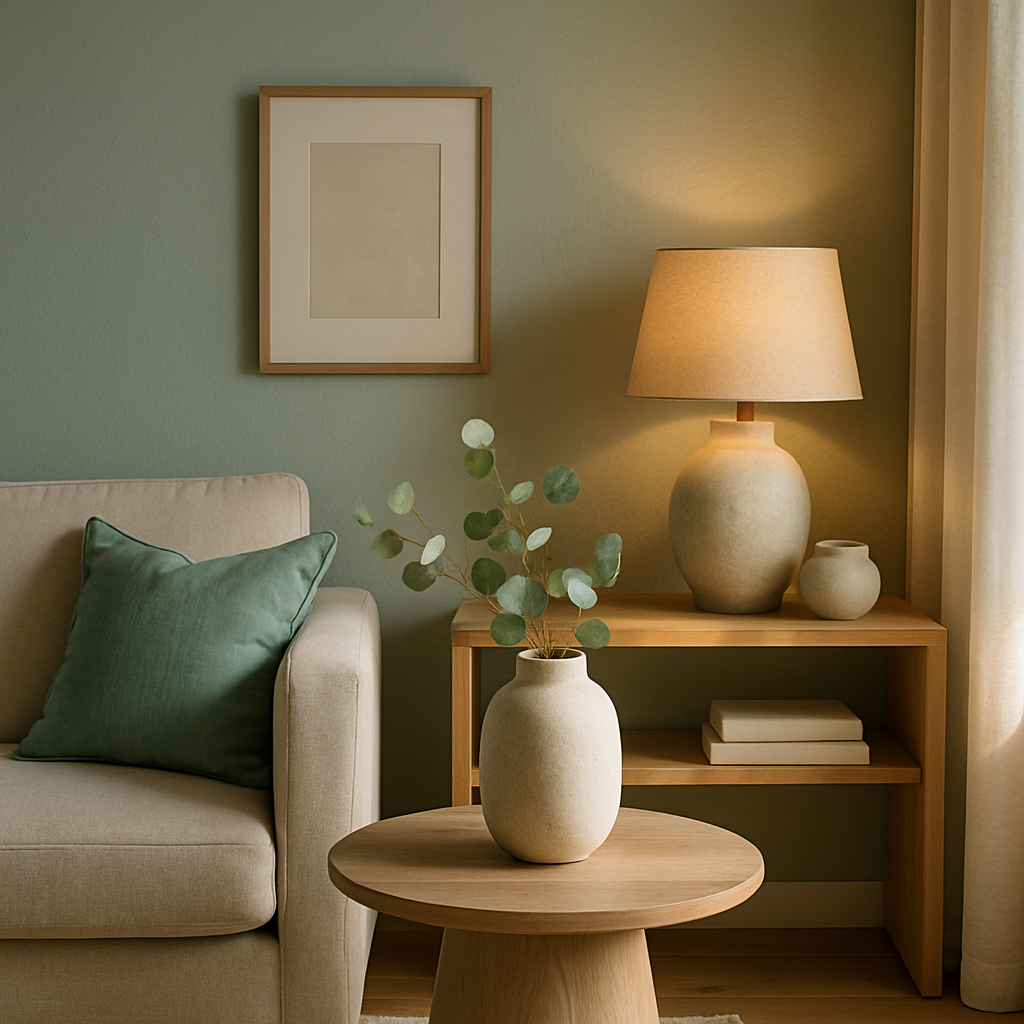
Ever wondered why some homes exude style and sophistication while others feel lackluster? The secret often lies in the details of interior design. According to a survey by Houzz, 84% of homeowners prioritized the appearance of their spaces over other factors. However, a full-scale redesign can be expensive, with costs ranging from $5,000 for a single room to over $150,000 for a whole house makeover. How can you achieve a chic look without overspending? This article explores budget-friendly home interior design tips that will help you transform your space stylishly and economically. We'll discuss foundational concepts, delve into data-driven insights, offer actionable strategies, and provide expert-level details to guide your journey.
Understanding Foundational Concepts in Interior Design
Before diving into specific tips, it's crucial to understand the foundational concepts of interior design. One primary consideration is the **use of space**. This involves evaluating how each room functions and ensuring that furniture placement enhances both utility and aesthetics. For instance, in a living room, the arrangement should facilitate conversation and comfort. Design professionals often advise mapping out how you actually use each room, noting where activities like reading or dining take place.
Another key component is **color psychology**. Colors can significantly impact the mood and feel of a room. Warm colors like reds and oranges can create a cozy and inviting atmosphere, while cooler shades like blues and greens tend to evoke calmness. The American Society of Interior Designers (ASID) suggests that a well-chosen color palette can enhance the perceived value of a home by 5-15%.
Lastly, consider the **balance between form and function**. While aesthetics are important, functionality should not be compromised. This balance ensures that spaces remain both beautiful and practical. Experienced professionals often note that the most successful designs come from a seamless blend of these elements, creating rooms that are both attractive and usable. Understanding these concepts sets the stage for implementing budget-friendly strategies in the following sections.
Data-Driven Insights for Cost-Effective Design
Data can be a powerful ally in achieving a stylish home interior on a budget. For example, according to Houzz's annual survey, 67% of homeowners reported that redesign projects exceeded their initial budgets, primarily due to unforeseen costs. Therefore, setting a realistic budget with a contingency for unexpected expenses is essential. Planning can prevent the frustration of running out of funds mid-project.
Moreover, research from the National Council for Interior Design Qualification (NCIDQ) reveals that projects with clearly defined goals and requirements are 30% more likely to stay within budget. Breaking down your redesign into phases-concept development, design presentation, procurement, and installation-can help manage costs effectively. By focusing on one phase at a time, you can allocate resources efficiently.
Another insightful data point is the growing trend of **sustainable design**. Incorporating eco-friendly materials not only benefits the environment but can also be cost-effective. Many homeowners are opting for reclaimed wood and recycled metal, which add character and reduce expenses. Sustainability is not just a trend; it's a practical approach that can significantly cut costs while enhancing design quality. With these data-driven insights, we shift to actionable strategies for budget-friendly redesigns.
Actionable Strategies for Affordable Redesigns
Implementing practical strategies is key to achieving a budget-friendly makeover. One effective approach is **upcycling**-repurposing old furniture or decor. Instead of purchasing new pieces, consider refreshing what you already own. A fresh coat of paint or new upholstery can transform tired furniture into stunning focal points. This method not only saves money but also adds a personal touch to your space.
Another strategy involves **DIY projects**. From creating custom wall art to installing shelving, there are numerous projects you can tackle yourself. Websites like Pinterest and Instagram offer a plethora of ideas and tutorials to inspire your creativity. Tackling these projects can drastically reduce labor costs and give you a sense of accomplishment.
Shopping smartly is also crucial. Look for sales, discounts, and clearance items, especially at major holidays. Thrift stores and online marketplaces can be treasure troves for unique finds. The International Interior Design Association (IIDA) suggests that mixing high-end and low-cost items can create a balanced and stylish look. By combining these strategies, you can achieve a chic redesign without overspending. Next, we'll explore expert-level tips to further enhance your redesign.
Expert-Level Tips for Enhancing Your Design
For deeper insights into budget-friendly design, consider advice from industry experts. One expert tip is focusing on **lighting**-a crucial yet often overlooked element. Proper lighting can completely transform a room's ambiance. Experiment with a mix of floor lamps, table lamps, and overhead fixtures to create layers of light. This not only enhances the mood but can also highlight key design elements like artwork or architectural features.
Another recommendation from seasoned designers involves **texture and textiles**. Incorporating a variety of textures can add depth and interest to any space. Consider mixing materials like leather, wool, and linen for a luxurious feel without a hefty price tag. Textiles such as throw pillows, rugs, and curtains offer an affordable way to introduce these textures and can be easily swapped out to update the look and feel of a room.
Finally, employing **strategic focal points** can draw attention away from less desirable elements of a room. A statement piece, such as a bold artwork or a unique piece of furniture, can become the centerpiece of your design. This tactic allows you to minimize changes to other areas, thereby reducing costs. These expert-level tips will further refine your budget-friendly redesign, which we will expand upon in the next section.
Additional Depth: Leveraging Technology in Design
Incorporating technology into your design process can also be highly beneficial. Advanced tools like Augmented Reality (AR) and Virtual Reality (VR) applications allow you to visualize changes before making them. Many designers are now using these tools to provide clients with a virtual preview of design options. Platforms like Houzz offer AR/VR capabilities that help in making informed decisions about furniture placement and color schemes.
Smart home integration is another technological advancement that can enhance your design. Automating lighting, climate control, and window treatments can create a seamless, modern aesthetic that's both functional and stylish. While some of these technologies might seem like an upfront investment, they often lead to long-term savings on energy costs.
Finally, online design services offer cost-effective ways to receive professional guidance. Websites like Modsy and Havenly provide virtual interior design assistance, allowing you to consult with certified designers without the high costs associated with traditional design services. This combination of technology and professional expertise can lead to a more efficient and satisfying redesign experience. As we move towards wrapping up, consider how these tools might fit into your design plans.
Final Perspectives: Achieving Your Dream Space
Ultimately, creating a stylish home on a budget is about making informed choices and leveraging available resources. By understanding foundational design concepts, analyzing data, and applying expert strategies, you can achieve a sophisticated look without overspending. The key is to focus on what truly matters to you and how your space can best serve those needs.
Have you considered how small changes might make a big impact in your space? Sometimes, a few strategic updates can have a more profound effect than a complete overhaul. Whether it's changing the color scheme, updating textiles, or rearranging furniture, these adjustments can breathe new life into a room.
As you embark on your redesign journey, remember that each decision contributes to the overall harmony and functionality of your home. Our final thoughts will guide you towards taking actionable steps for your budget-friendly makeover.
Conclusion: Transform Your Home with Confidence
In conclusion, a budget-friendly home interior design does not mean compromising on style. By understanding the foundational principles, utilizing data-driven insights, and implementing expert strategies, you can achieve a remarkable transformation. Are you ready to start your redesign journey? Begin by assessing your current space and setting a realistic budget. From there, explore platforms like Houzz for inspiration, and consider seeking virtual design assistance if needed.
Start by browsing portfolios on Houzz this week-even 20 minutes of research will sharpen your eye for what you want. Let this be the first step in creating a home that reflects your taste and meets your functional needs. With thoughtful planning and creativity, your stylish makeover is well within reach.



Comments
Post a Comment