Bold Colors and Textures: The Hottest Interior Design Trends This Year
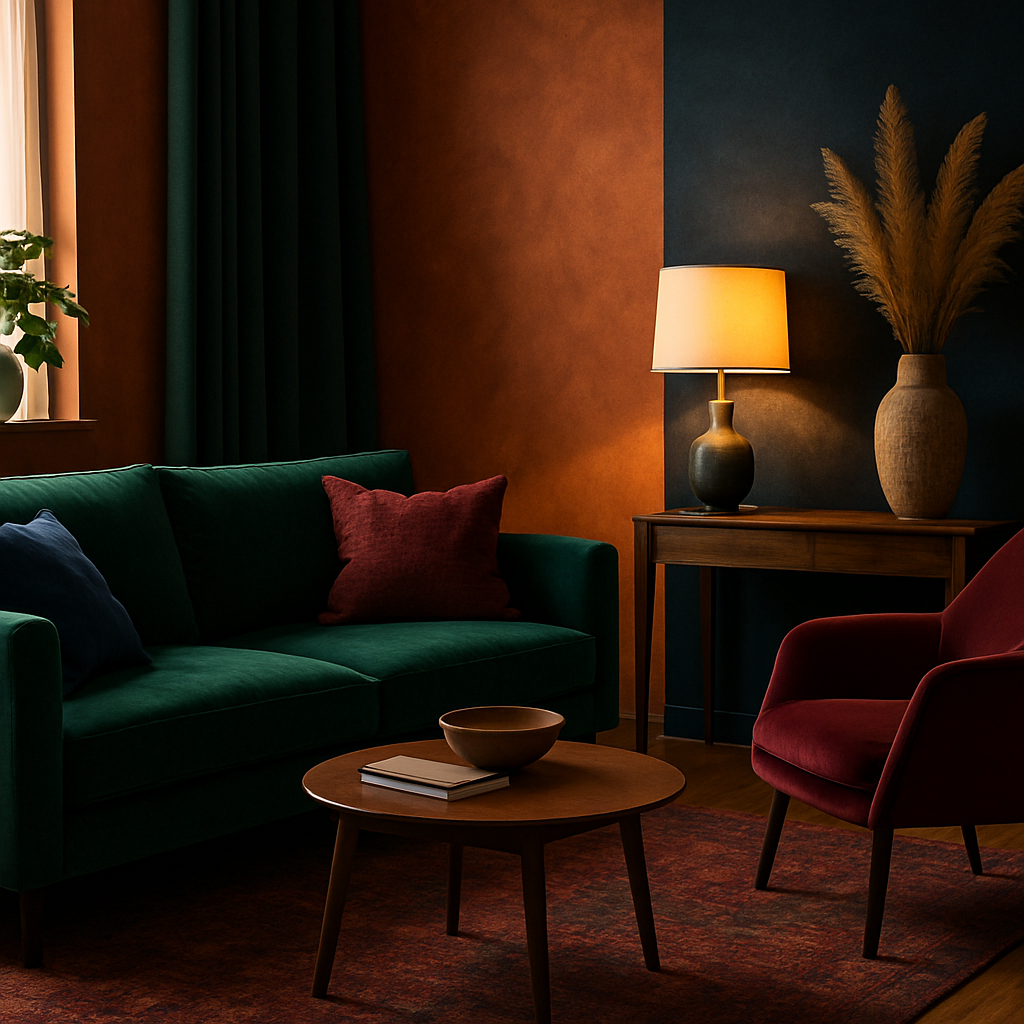
Have you ever walked into a room and felt your mood instantly lift? That's the power of bold colors and textures, which are making waves in interior design this year. According to Houzz's annual survey, homeowners are increasingly choosing vibrant palettes and tactile materials to energize their spaces. This shift signals a departure from the minimalistic tones that have dominated the past. In this article, we will explore the foundational concepts behind these trends, delve into deeper analyses with data, and provide actionable strategies to bring them into your home. From expert insights to additional depth, we'll cover everything you need to know to embrace these cutting-edge designs.
Foundational Concepts: Vibrancy and Texture
The resurgence of bold colors in interior design is not just about aesthetics; it's about creating a dynamic atmosphere that reflects personality and style. Bold hues such as rich emerald greens, deep navy blues, and vibrant mustards are becoming staples in modern homes. The trend is driven by a desire to break away from the muted tones of the past and to create spaces that feel alive and invigorating. This shift is not just about wall colors; it extends to furniture, accessories, and even ceilings, offering a full spectrum of options for those looking to transform their environment.
Texture plays an equally significant role in this trend. Materials like velvet, leather, and woven fabrics add depth and interest, creating a tactile experience that invites interaction. These textures are often used in combination with bold colors to create a layered, multidimensional look. The juxtaposition of smooth and rough surfaces, along with the interplay of light and shadow, adds complexity and sophistication to any room. According to the American Society of Interior Designers (ASID), incorporating varying textures can enhance the overall feel and function of a space.
Are you considering a redesign that incorporates these elements? Reflect on how you want your space to feel and the emotions you wish to evoke. This foundational understanding will guide your choices and help ensure that your design aligns with your personal style and the latest trends. As we move forward, we will delve deeper into how these concepts are being applied in today's interiors.
Deeper Analysis with Data and Examples
Industry data sheds light on how homeowners are embracing bold colors and textures. According to a survey conducted by the National Council for Interior Design Qualification (NCIDQ), 67% of interior designers reported an increased demand for vibrant color schemes in residential projects. This trend is further corroborated by Houzz's annual report, which noted a 45% rise in searches for rooms featuring bold colors over the past year. These statistics underscore a growing preference for spaces that reflect individuality and personal flair.
Real-world examples illustrate this trend in action. Consider the rise of Japandi design, which combines Japanese minimalism with Scandinavian functionality and warmth. This style often utilizes bold, earthy colors alongside natural textures like wood and stone to create a serene yet dynamic environment. Similarly, biophilic design, which emphasizes a connection to nature, has popularized the use of natural materials and green hues, further supporting this trend.
These examples demonstrate that the appeal of bold colors and textures extends beyond mere aesthetics; they offer a way to create spaces that feel both personal and connected to broader design philosophies. As we explore actionable strategies, keep these data points and examples in mind-they provide a roadmap for integrating these trends into your own home.
Actionable Strategies for Incorporating Trends
Integrating bold colors and textures into your home doesn't require a complete overhaul. Start with small changes that can make a significant impact. Consider introducing a vibrant accent wall in a living room or bedroom. Choose a bold hue that complements your existing decor, such as a deep teal or warm terracotta. This approach provides a refreshing update without overwhelming the space.
Textiles offer another avenue for introducing these trends. Swap out neutral throw pillows and blankets for ones in rich, textured fabrics like velvet or woven wool. These additions can instantly transform a room, adding warmth and interest. Experienced professionals often note that mixing textures-such as pairing a smooth leather sofa with a chunky knit throw-can add visual depth and a sense of balance.
If you're ready for a more dramatic change, consider updating your furnishings. Look for pieces that combine bold colors with interesting textures, such as a mustard velvet armchair or a navy leather ottoman. These items serve as focal points and conversation starters, embodying the trend while enhancing your room's overall design. As we dive into expert-level details, think about how these strategies can align with your lifestyle and design goals.
Expert-Level Details: Insights from the Industry
For those seeking to push the boundaries of bold design, the insights from industry experts can be invaluable. According to AD PRO, the professional network of Architectural Digest, one of the key considerations when working with bold colors is balance. Designers recommend using a color wheel to identify complementary hues that can be layered to create harmony and contrast within a space.
Another advanced technique involves the use of lighting to enhance color and texture. Smart home integration, which includes automated lighting systems, allows for precise control over how colors are perceived throughout the day. This technology can highlight textured surfaces, creating dynamic visual effects that evolve with natural light. The International Interior Design Association (IIDA) highlights this approach as a way to blend cutting-edge technology with traditional design elements.
Finally, consider the role of sustainable and reclaimed materials in achieving a bold look. Not only do these materials add texture and depth, but they also align with eco-conscious design principles. Incorporating sustainably sourced wood or recycled metal can add character and reduce environmental impact, making your design choices as responsible as they are stylish. As we transition to additional depth, reflect on how these expert insights can guide your design decisions.
Additional Depth: Beyond the Basics
To truly embrace bold colors and textures, it's important to move beyond mere application and consider the broader impact of these choices on your lifestyle and home environment. Houzz's data indicates that homes with well-designed interiors can yield a 5-15% higher resale value, underscoring the financial benefits of thoughtful design. This statistic suggests that investing in bold and textured interiors can enhance both the aesthetic and economic value of your property.
Reflect on how these design elements can influence your daily life. A vibrant color scheme can energize your mornings, while textured surfaces invite touch and engagement, creating a more interactive living space. These considerations are particularly relevant in high-traffic areas like kitchens and living rooms, where bold design can invigorate routine activities and enhance social interactions.
Thinking about the future, how might these trends evolve? As technology advances and environmental concerns continue to shape design practices, the integration of smart systems and sustainable materials is likely to increase. Staying informed about these developments will allow you to make design choices that are not only fashionable but also forward-thinking. In our final perspectives, we'll wrap up this exploration and provide a path forward for integrating these trends into your life.
Final Perspectives on Bold Design Trends
As we conclude our exploration of bold colors and textures in interior design, it's clear that these trends offer more than just a visual overhaul-they provide a way to express individuality and embrace modern design philosophies. The combination of vibrant hues and tactile materials creates spaces that feel dynamic and inviting, enhancing both the aesthetic and functional aspects of your home.
Are you ready to take the plunge into bold design? Consider starting small with a few key changes, and then expand as your comfort with the trend grows. Whether through color, texture, or the integration of advanced technologies, there are myriad ways to tailor these trends to your personal taste and lifestyle. Remember, the most successful designs are those that reflect who you are and how you live.
In closing, start by browsing portfolios on platforms like Houzz or Instagram this week-just 20 minutes of research can sharpen your eye for what resonates with you. By taking this first step, you'll be well on your way to transforming your space with the hottest interior design trends of the year.


Comments
Post a Comment