Behind the Scenes: How an Interior Design Studio Creates Stunning Spaces
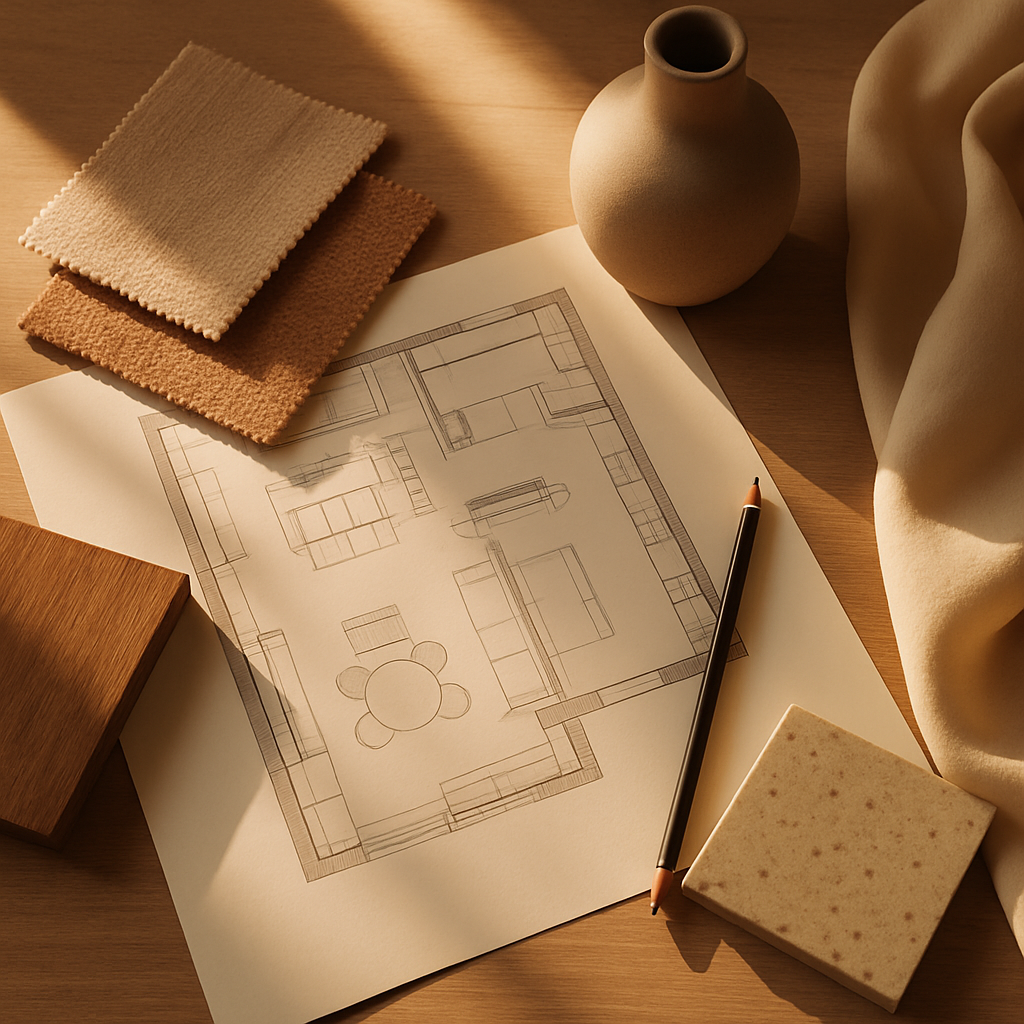
Have you ever walked into a room and wondered how it feels so effortlessly perfect? According to the American Society of Interior Designers (ASID), a well-designed interior can boost a home's resale value by 5-15%. Behind these breathtaking transformations lies the meticulous work of interior design studios, crafting spaces that are not only beautiful but functional. In this deep dive, we'll explore the foundational concepts these studios rely on, the data-backed strategies they employ, and the expert techniques they use to bring stunning spaces to life. By the end, you'll gain insights into how these creative powerhouses operate and perhaps find inspiration for your own space.
Foundational Concepts of Interior Design Studios
At the core of any successful interior design project is a clear understanding of foundational concepts. These include spatial planning, color theory, and the principles of design such as balance, contrast, and harmony. Spatial planning is crucial as it involves mapping out how each room will function, ensuring that the layout meets both aesthetic and practical needs. For instance, where you drop your keys or where the kids do homework are real-world factors that must be considered in the design process.
Color theory plays a pivotal role in setting the mood and defining the character of a space. Designers often use the color wheel to create palettes that are either complementary or harmonious, depending on the desired effect. The strategic use of color can make rooms appear larger, cozier, or more energetic. Furthermore, understanding design principles like balance and contrast ensures that all elements within a room work together cohesively, creating a sense of unity and sophistication.
Interior design studios also incorporate biophilic design elements, which focus on natural materials and indoor-outdoor flow. The trend towards biophilic design is more than aesthetic; it has been shown to improve occupant well-being by reconnecting humans with nature. As we delve deeper into the workings of a studio, consider how these foundational concepts might apply to your own space. What elements could you incorporate to enhance your environment?
Data-Driven Strategies in Interior Design
The modern interior design studio leverages data to inform its strategies, ensuring that every decision is backed by research and trends. According to a recent Houzz survey, homeowners are increasingly prioritizing sustainability, with 76% of respondents indicating a preference for eco-friendly materials. This data drives studios to select sustainable options that meet these consumer demands, such as reclaimed wood or recycled metal fixtures.
Additionally, studios use data to align their projects with current design trends, such as quiet luxury and understated elegance. By analyzing market trends and consumer preferences, studios can provide designs that are both on-trend and timeless. For example, they might integrate smart home technologies like automated lighting and climate control, which are highly sought after in today's tech-savvy market.
Analytics also play a role in project management, helping studios to stay on budget and on schedule. By tracking expenses and timelines, they ensure that projects proceed smoothly from concept development to installation. These data-driven strategies not only enhance the efficiency of the design process but also increase client satisfaction. Have you ever considered how data might influence the design of your space? Understanding its impact could be the key to achieving your desired outcome.
Actionable Strategies for Stunning Design
Creating stunning spaces requires more than just a good eye; it necessitates actionable strategies that bring a design vision to life. One such strategy is the use of mood boards, which help designers visualize and communicate their ideas. Mood boards combine fabric swatches, color samples, and inspirational images to create a cohesive vision that guides the entire project. This tool is invaluable in aligning the client's vision with the designer's execution.
Another strategy is the phased approach to project management, which breaks the process into manageable stages: concept development, design presentation, procurement, installation, and styling. This structure allows for thorough planning and the ability to make adjustments as needed, ensuring that each phase is completed to satisfaction before moving on to the next. It also helps in managing client expectations and maintaining clear communication throughout.
For those looking to implement these strategies in their own projects, start by creating a simple mood board for a single room. Gather images and materials that inspire you and see how they fit together. Then, map out a phased plan for your project, setting realistic timelines and budgets for each phase. By adopting these professional approaches, you'll be well on your way to crafting a space that feels truly stunning.
Expert-Level Detail: The Role of Certifications
In the world of interior design, credentials matter. Certified interior designers often hold qualifications from the National Council for Interior Design Qualification (NCIDQ), which sets the gold standard in the industry. This certification ensures that designers have met rigorous standards in knowledge and practice, providing clients with confidence in their expertise.
Another respected organization is the International Interior Design Association (IIDA), which offers resources and networking opportunities for designers worldwide. Membership in such organizations demonstrates a commitment to ongoing education and professional development, keeping designers at the forefront of industry trends and technological advancements.
Experienced professionals often note that working with certified designers can lead to more efficient projects and higher satisfaction rates. They bring a depth of knowledge that enables them to anticipate challenges and provide innovative solutions. As you consider your next design project, think about the value that certified professionals could add to your process. Could their expertise help you navigate the complexities of design with greater ease?
Additional Depth: Understanding Fee Structures
One of the most crucial aspects of working with an interior design studio is understanding their fee structures. Designers typically charge in one of three ways: a flat fee, an hourly rate ranging from $150 to $500, or a percentage of the total project cost, usually between 10-25%. It's important to clarify these details upfront to ensure that the project stays within budget.
Procurement markups on furniture and materials are another consideration. Studios often have access to trade discounts and may apply a markup when purchasing items on behalf of the client. This can be beneficial as it allows clients access to exclusive products and ensures that all elements are sourced to meet the project's quality standards.
Understanding these financial aspects can significantly impact your project's success. Discussing fee structures openly with your design studio fosters transparency and helps avoid potential misunderstandings. Have you budgeted effectively for your design project? Knowing these details could make all the difference in achieving your vision without unexpected financial surprises.
Final Perspectives on Interior Design Studios
Interior design studios are more than just creative hubs; they are strategic partners in transforming spaces. By combining foundational concepts, data-driven strategies, and expert-level insights, these studios craft environments that are both stunning and functional. They balance creativity with practicality, ensuring that each project meets the client's needs and enhances their daily life.
As you reflect on the processes and strategies discussed, consider how they might apply to your own space. Could engaging with a professional studio help you achieve the design you've always dreamed of? The right partnership could unlock new possibilities and bring your vision to life with precision and flair.
Whether you're planning a complete home transformation or a single room update, the insights from this exploration into interior design studios offer valuable guidance. Your journey towards a beautifully designed space begins with understanding these behind-the-scenes processes.
Conclusion
In conclusion, the journey of creating stunning spaces involves a blend of artistic vision, strategic planning, and expert execution. Interior design studios excel in these areas, turning dreams into reality with their comprehensive approach. As you embark on your own design project, consider the insights shared here to guide your decisions.
Start by browsing designer portfolios on platforms like Houzz or Instagram this week. Even 20 minutes of research will sharpen your eye for what you want. By aligning your vision with professional expertise, you'll be well-prepared to create a space that truly reflects your style and needs. Are you ready to take the first step towards your dream design?



Comments
Post a Comment