Behind the Scenes: A Day in the Life of an Interior Design Company
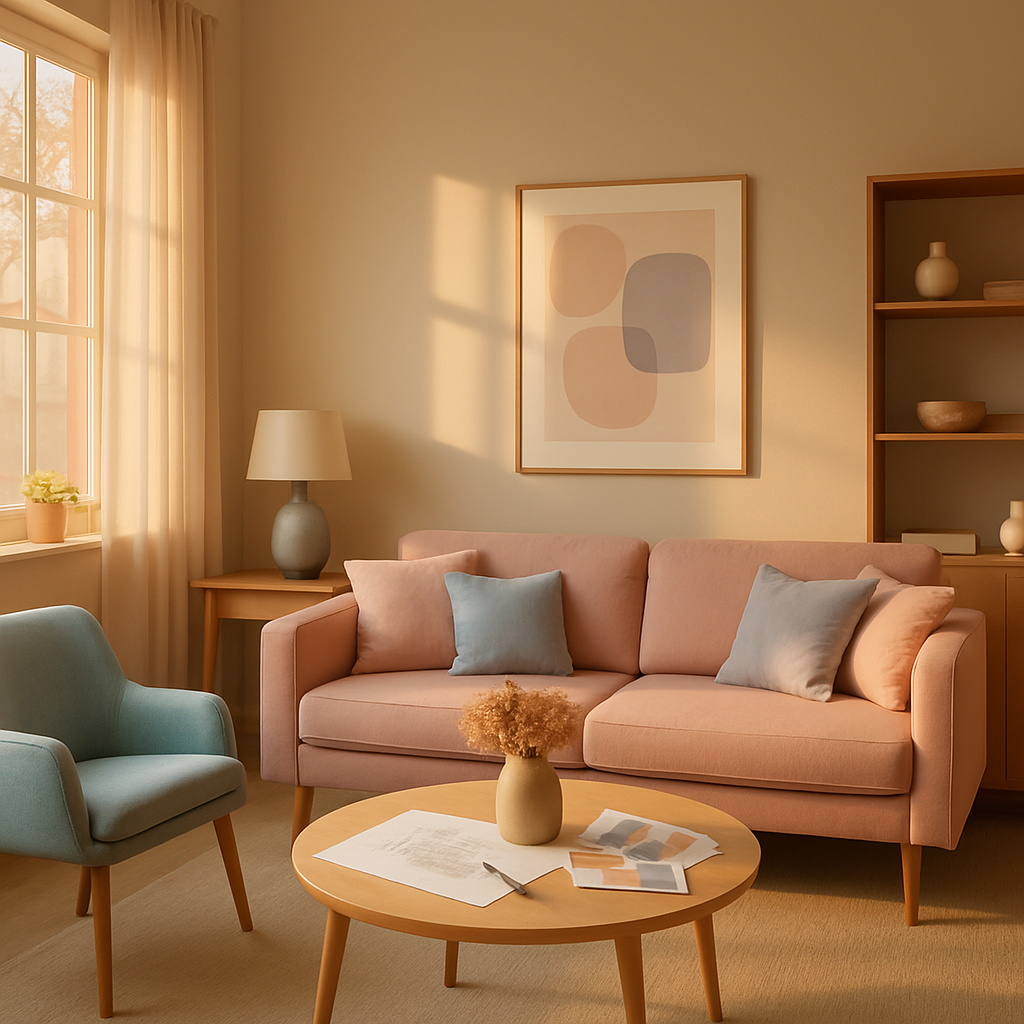
Ever wondered what goes on behind the polished exteriors of an interior design company? Imagine a bustling workspace where creativity meets precision, where every detail is meticulously planned to transform homes into personal sanctuaries. According to the American Society of Interior Designers (ASID), the demand for professional design services has surged by 20% over recent years, reflecting our growing desire for functional yet aesthetically pleasing spaces. In this article, we'll explore the day-to-day operations of an interior design company, uncovering foundational concepts, industry data, actionable strategies, and expert insights that drive their success.
Understanding the Foundations of Interior Design
At the core of any successful interior design company lies a deep understanding of client needs and preferences. This begins with a thorough initial consultation, where designers engage clients in detailed conversations to map out their vision. The International Interior Design Association (IIDA) emphasizes the importance of these consultations as they help identify key lifestyle requirements and aesthetic preferences, laying the groundwork for a tailored design plan. By building this foundation, designers can ensure that the final outcome resonates with the client's personal style.
Concept development follows, where designers translate ideas into visual presentations. This phase often involves creating mood boards, sketches, and digital renderings to provide clients with a tangible sense of the proposed design. Experienced professionals often note that this stage is crucial for aligning client expectations with realistic design possibilities. It's here that clients can visualize the transformation of their space, making any necessary adjustments before moving forward.
The design process also includes budget planning, a critical component often overseen by certified professionals holding NCIDQ (National Council for Interior Design Qualification) credentials. These experts help clients understand the financial scope, which, according to Houzz, typically ranges from $5,000 to $15,000 for a single room redesign. By clearly defining the budget, designers can manage resources effectively, ensuring the project stays on track financially.
Delving Deeper: Analyzing Industry Trends and Data
Interior design companies must stay abreast of industry trends to deliver cutting-edge solutions. One notable trend is biophilic design, which integrates natural elements like living walls and ample sunlight to enhance well-being. According to Houzz's annual survey, nearly 30% of homeowners are now seeking biophilic features in their renovations. This trend underscores a broader shift towards sustainability and environmental consciousness in design choices.
The incorporation of smart home technology is another trend reshaping the landscape. From automated lighting systems to climate control, these innovations offer convenience and energy efficiency. AIA (American Institute of Architects) research indicates that smart home features can increase property values by 5-15%, making them a wise investment for homeowners. Designers adept in this field can seamlessly integrate technology into their plans, offering clients a modern living experience.
Moreover, the rise of AR/VR tools has revolutionized how designers present their ideas. These technologies allow clients to virtually walk through their redesigned spaces before construction begins, reducing the risk of costly changes later on. The Architectural Digest's AD PRO network highlights this as a game-changer, enabling more precise client feedback and satisfaction. As clients become more tech-savvy, the demand for such immersive experiences is expected to grow.
Actionable Strategies for Navigating Design Projects
For those embarking on a design project, navigating the process can seem daunting. However, adopting a structured approach can streamline the experience. Start by engaging a certified interior designer with NCIDQ or ASID credentials. These professionals bring verified expertise and adhere to industry standards, ensuring a high level of service. Have you considered the credentials of designers you're interested in?
Once a designer is selected, maintain open communication throughout the project. Regular updates and feedback sessions can prevent misunderstandings and ensure that the project evolves in line with your vision. According to industry consensus, clients who actively participate in the design process tend to be more satisfied with the results. This collaboration fosters a sense of ownership and ensures the final design truly feels like home.
Finally, be prepared for the procurement and installation phases. This stage involves sourcing materials and coordinating with contractors, which experienced designers manage efficiently. It's important to establish a timeline and budget for this phase to avoid delays and unforeseen expenses. Are you ready to work closely with your designer to navigate these complexities?
Expert Insights: The Interior Designer's Toolkit
Interior designers rely on a suite of tools and platforms to bring projects to fruition. Houzz is a popular choice for sourcing design inspiration and connecting with other professionals. The platform's extensive database of projects and portfolios allows designers to showcase their work and draw inspiration from peers. Experienced designers often use Houzz to identify emerging trends and innovative solutions.
For project management, platforms like Studio Designer offer comprehensive solutions tailored specifically for the design industry. This software streamlines tasks such as client billing, vendor management, and order tracking, allowing designers to focus on creative aspects. In a fast-paced environment, such tools are indispensable for maintaining organization and efficiency.
Additionally, platforms like Pinterest and Instagram serve as invaluable resources for visual inspiration. Designers can curate mood boards and share their creative processes, engaging with a broader audience. These platforms not only showcase a designer's style but also connect them with potential clients seeking specific aesthetics. With millions of users worldwide, social media remains a vital component of a designer's toolkit.
Additional Depth: The Role of Sustainability in Interior Design
Sustainability has become a cornerstone of modern interior design, reflecting a growing awareness of environmental impact. Designers are increasingly sourcing sustainable and reclaimed materials, offering eco-friendly alternatives without compromising on style. The use of such materials, like bamboo flooring or recycled glass countertops, aligns with the principles of quiet luxury and understated elegance.
Biophilic design also plays a role in promoting sustainability. By incorporating natural elements, designers create spaces that not only look beautiful but also enhance the occupants' connection to nature. The psychological benefits of biophilic design, such as reduced stress and improved concentration, further underscore its importance in contemporary design philosophy.
As sustainability becomes a priority, clients are encouraged to consider the long-term benefits of eco-friendly designs. Not only do these choices contribute to environmental preservation, but they can also result in energy savings and increased property value. Are you open to exploring sustainable options for your next design project?
Final Perspectives: Wrapping Up the Interior Design Journey
The journey through the inner workings of an interior design company reveals a dynamic blend of creativity, strategy, and meticulous execution. From foundational consultations to the implementation of cutting-edge trends, each stage plays a crucial role in realizing a client's vision. The integration of technology and sustainability further enriches the design process, offering clients innovative and responsible solutions.
For those considering a design project, the insights shared here can serve as a guide to navigating the complexities of the industry. By leveraging the expertise of certified professionals and embracing new technologies, clients can achieve spaces that are both functional and reflective of their personal style. As you embark on your design journey, remember that the right partnership can transform your home into a sanctuary.
In the ever-evolving world of interior design, staying informed and engaged is key to successful outcomes. Are you ready to take the next step towards your dream space?
Conclusion
In summary, a day in the life of an interior design company is a testament to the profession's blend of art and science. From initial consultations to the final reveal, every step is meticulously planned to meet client expectations. By understanding industry trends, utilizing modern tools, and prioritizing sustainability, designers craft spaces that are not only beautiful but also functional and future-ready. For those looking to start their own design project, begin by exploring designer portfolios on Houzz or Instagram. Even 20 minutes of research can sharpen your eye for the styles and solutions you desire. Ready to transform your space? The journey begins with a single step.



Comments
Post a Comment