Behind the Scenes: A Day in the Life of an Interior Design Studio
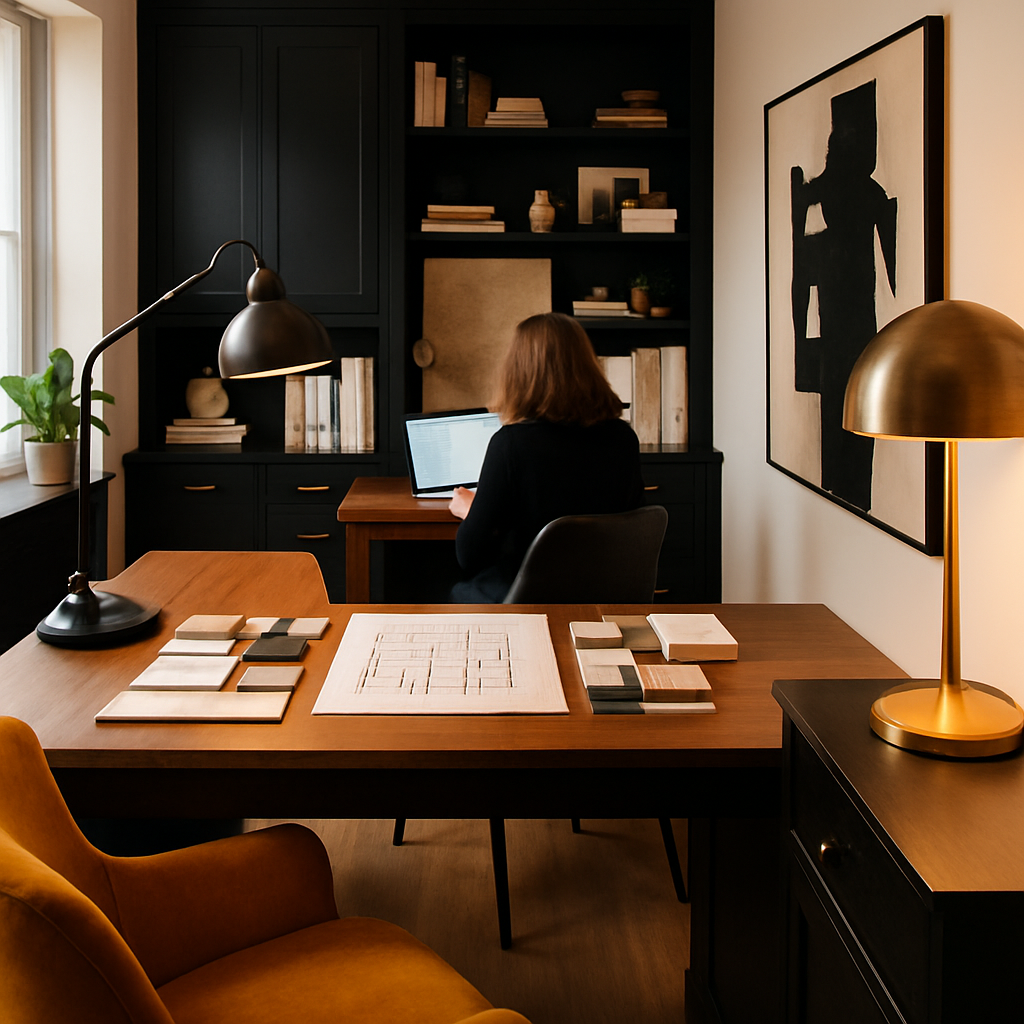
Have you ever wondered what really happens inside an interior design studio? While the final reveal may look effortlessly elegant, the path to a beautifully designed space is anything but simple. According to a recent survey by the American Society of Interior Designers (ASID), 78% of homeowners believe that a professionally designed home enhances their overall quality of life. This article will take you behind the scenes of a bustling interior design studio, exploring everything from concept development to the nuances of client interactions. Along the way, you'll discover foundational concepts, the role of data in design, actionable strategies, expert-level details, and much more.
Understanding the Foundations of Interior Design
At the core of any successful interior design studio lies a deep understanding of design fundamentals. This begins with concept development, where designers translate a client's vision into tangible ideas. The process is akin to storytelling, where every element, from color palettes to furniture choices, contributes to a cohesive narrative. Certified interior designers, often holding credentials like NCIDQ (National Council for Interior Design Qualification) or ASID, play a crucial role in ensuring that these concepts are not only aesthetically pleasing but also functional and safe.
The importance of foundational knowledge cannot be overstated. Designers must balance creativity with practicality, taking into account the spatial dynamics, lighting, and acoustics of each room. For instance, biophilic design, which incorporates natural elements and promotes an indoor-outdoor flow, is a trend that requires a keen understanding of materials and space utilization. Experienced professionals often note that a well-thought-out layout can make even the smallest spaces feel expansive and inviting.
Moreover, a strong grasp of design principles allows interior designers to anticipate potential challenges and develop solutions proactively. This foresight is invaluable, especially during the design presentation phase, where clients are introduced to the proposed concepts. How do you envision your space transforming with the guidance of a seasoned designer?
The Role of Data in Interior Design
Data-driven design is not just a buzzword but a fundamental aspect of modern interior design studios. According to Houzz's annual survey, 85% of homeowners rely on data from previous projects to inform their design choices. This data includes trends in color preferences, furniture styles, and even budget allocations, helping designers create spaces that are both contemporary and timeless.
One of the key tools used by designers is AR/VR room visualization, which allows clients to virtually tour their redesigned spaces before any physical changes are made. This not only enhances client satisfaction but also reduces the likelihood of costly revisions. For example, a client unsure about a particular layout can visualize different configurations and make informed decisions based on real-time feedback.
Moreover, data helps designers track the return on investment (ROI) for their projects. Industry surveys suggest that well-designed interiors can yield a 5-15% higher resale value. By leveraging data, interior design studios can provide clients with tangible evidence of the value their services bring. What data-driven insights might transform your perspective on home design?
Actionable Strategies for a Successful Design Studio
Running an interior design studio requires more than just creative flair. It demands strategic planning and efficient project management. One actionable strategy is to implement a robust project management system that streamlines communication between team members and clients. Platforms like Houzz Pro and Asana integrate seamlessly with design workflows, ensuring that every project stays on track.
Another critical strategy is transparent pricing. Interior design fees can vary widely, with designers typically charging a flat fee, hourly rate ($150-$500/hr), or a percentage of the total project cost, often ranging from 10-25%. By clearly outlining fee structures upfront, designers build trust with clients and avoid misunderstandings later. This transparency extends to procurement processes, where designers often receive trade discounts that can be passed on to clients.
Finally, cultivating strong vendor relationships is essential for timely project completion. Designers who maintain good rapport with suppliers often benefit from preferential treatment, such as expedited shipping or exclusive access to new product lines. How might you leverage these strategies to optimize your own design projects?
Expert-Level Details: The Art of Client Collaboration
Successful interior design studios thrive on effective client collaboration. This begins with a detailed client intake process, where designers gather crucial information about the client's lifestyle, preferences, and budget. Experienced professionals emphasize the importance of active listening, which helps in creating personalized design solutions that resonate with clients on a deeper level.
During the design presentation phase, visual aids such as mood boards and 3D renderings play a pivotal role in communicating ideas. These tools allow clients to visualize the proposed designs and provide feedback. According to the International Interior Design Association (IIDA), 90% of clients prefer interactive presentations that engage them in the decision-making process.
Moreover, regular updates and progress reports keep clients informed and engaged throughout the project. This ongoing communication fosters a sense of partnership, ensuring that the final outcome reflects the client's vision. What aspects of client collaboration are most important to you in your design journey?
Additional Depth: Navigating Industry Trends
Staying ahead of industry trends is crucial for interior design studios aiming to deliver cutting-edge solutions. The 2026 design trends, such as Japandi-a blend of Japanese minimalism and Scandinavian warmth-are gaining traction for their emphasis on simplicity and functionality. Understanding these trends allows designers to offer clients fresh perspectives and innovative ideas.
Furthermore, the integration of smart home technology is revolutionizing the design landscape. Automated lighting, climate control, and window treatments not only enhance convenience but also elevate the overall aesthetic of a space. Designers who are adept at incorporating these technologies can offer clients a seamless blend of form and function.
Lastly, sustainability remains a top priority, with an increasing demand for reclaimed materials and eco-friendly designs. By sourcing sustainable products, designers not only reduce their environmental footprint but also align with the values of eco-conscious clients. How do you incorporate sustainability into your design choices?
Final Perspectives on Interior Design Studios
The journey of an interior design studio is a dynamic one, with each day bringing new challenges and opportunities. From initial concept development to the final installation and styling, every phase requires careful planning and execution. The satisfaction of transforming a client's vision into reality is what drives designers to continually hone their craft.
As the industry evolves, so too must design studios adapt to new technologies, trends, and client expectations. This adaptability is key to maintaining relevance and delivering exceptional service. Whether you're a seasoned designer or an aspiring one, understanding the inner workings of a design studio can provide valuable insights into the profession's demands and rewards.
In conclusion, the world of interior design is both intricate and rewarding. By exploring the day-to-day operations of a design studio, we gain a deeper appreciation for the creativity and expertise that go into creating stunning spaces. If you're considering a redesign, start by browsing designer portfolios on Houzz this week-just 20 minutes of research can sharpen your eye for what you truly want. What better time than now to embark on your design journey?



Comments
Post a Comment