Behind the Scenes: The Creative Process of a Leading Interior Design Studio
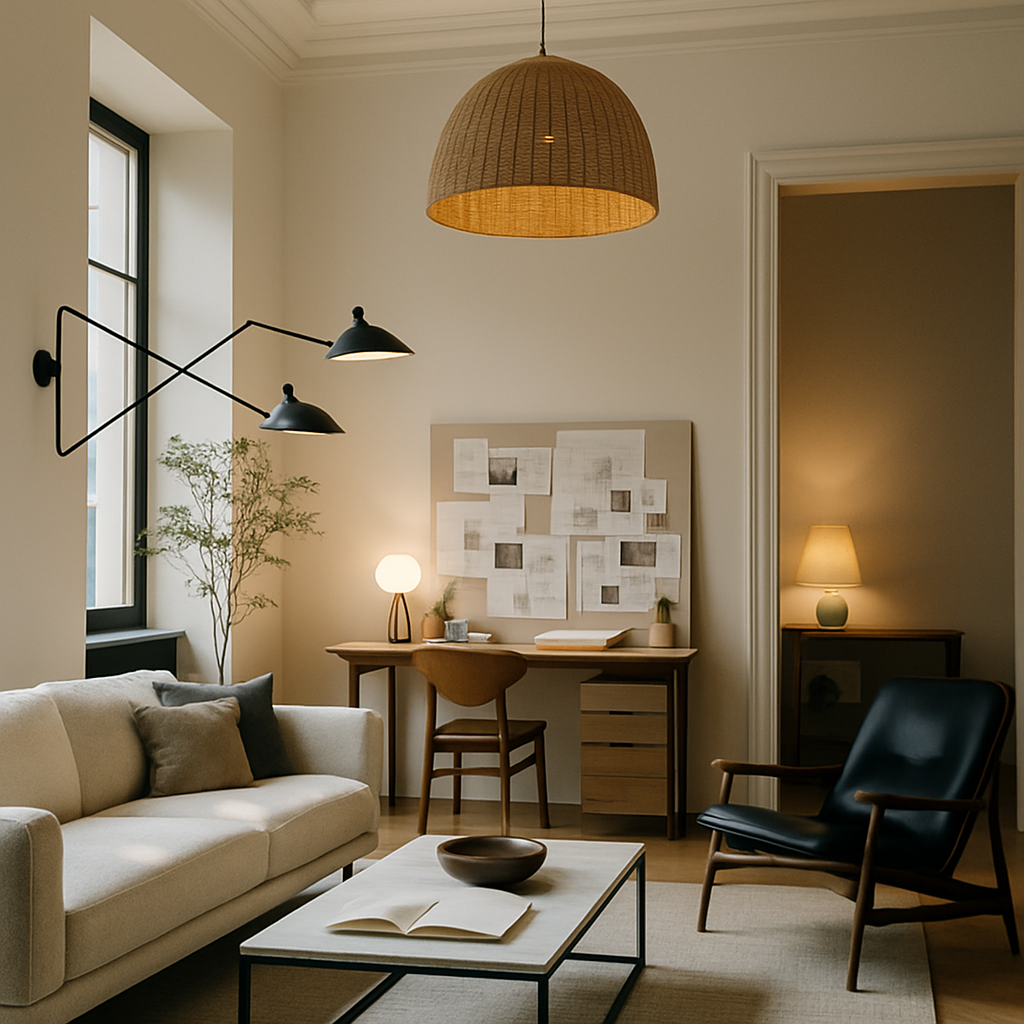
Did you know that a well-designed interior can enhance the resale value of a property by up to 15%? This statistic underscores the crucial role of skilled interior designers in transforming spaces into valuable assets. But what goes into creating these aesthetically pleasing and functional environments? In this in-depth exploration, we'll take you behind the scenes of a leading interior design studio to uncover the meticulous creative process that results in stunning interiors. We'll delve into foundational design concepts, analyze industry data, explore actionable strategies, and gain insights from seasoned experts. Whether you're a budding designer or a homeowner seeking inspiration, this comprehensive journey will illuminate the artistry behind the interiors you admire.
Foundational Concepts in Interior Design
The creative process in a leading interior design studio begins with foundational concepts that guide every project. At the heart of these concepts is the understanding of space and how it can be optimized. Experienced professionals often note that successful designs start with a thorough analysis of the client's needs and lifestyle. This includes mapping out daily routines, identifying high-traffic areas, and understanding how each room serves its occupants. Such insights are critical in creating spaces that are not only beautiful but also highly functional.
Another key concept is the balance between form and function. While aesthetics are paramount, a leading design studio ensures that beauty does not come at the expense of practicality. For instance, selecting materials that are both visually appealing and durable is a common practice. This approach aligns with industry standards set by organizations like the American Society of Interior Designers (ASID), which advocates for designs that enhance quality of life. Moreover, the integration of sustainable materials reflects a growing trend toward eco-friendly design, resonating with the increasing demand for environmental responsibility.
Color theory and lighting are additional foundational elements that play a crucial role. A sophisticated understanding of color palettes can evoke specific emotions and set the tone for an entire home. Similarly, lighting design, whether natural or artificial, is meticulously planned to accentuate architectural features and create ambiance. Renowned studios often employ layers of lighting to add depth and dimension to a space, a technique that can transform ordinary rooms into extraordinary settings. With these foundational concepts in place, the studio can proceed to more intricate design phases.
Deeper Analysis with Industry Data
Data-driven decisions are integral to the process within a leading interior design studio. According to Houzz's annual survey, the average homeowner spends between $5,000 and $15,000 on a single room redesign, and satisfaction rates are notably higher when a professional designer is involved. This data highlights the importance of investing in professional services to achieve desired outcomes. By analyzing such statistics, design studios can better tailor their services to meet client expectations and budget constraints.
Further analysis reveals that trends like biophilic design and smart home integration are gaining traction. The use of natural materials and the incorporation of technology in design are not just fleeting trends but are supported by data indicating a growing preference among homeowners. A survey by the International Interior Design Association (IIDA) found that 70% of respondents prioritized sustainability in their design projects, underscoring the industry's shift toward greener practices. Studios that adapt to these preferences by offering innovative solutions can position themselves as industry leaders.
Moreover, the financial implications of design choices are meticulously considered. Studios often use data to guide decisions on procurement and installation, ensuring that projects stay within budget while maximizing value. For instance, opting for reclaimed wood or energy-efficient appliances can reduce long-term costs and appeal to eco-conscious clients. By leveraging industry data, studios not only enhance their design offerings but also establish trust with their clients, leading to successful, data-informed projects.
Actionable Strategies for Stunning Interiors
Creating stunning interiors requires a blend of creativity and strategy. One actionable strategy is the use of AR/VR room visualization tools, which allow clients to experience proposed designs in a virtual space before implementation. This technology, embraced by cutting-edge studios, enhances client engagement and reduces the likelihood of costly changes mid-project. Are you considering a redesign? Exploring these tools can offer clarity and confidence in your design decisions.
Another strategy is the phased approach to project management, which involves breaking down the design process into distinct stages: concept development, design presentation, procurement, installation, and styling. This methodical approach ensures that each phase is meticulously executed, with opportunities for client feedback and adjustments. By maintaining open communication throughout the process, studios can align their vision with client expectations, fostering a collaborative and transparent design journey.
Furthermore, the strategic use of textiles and finishes can dramatically alter the perception of a space. By layering textures and incorporating a mix of materials, designers create visual interest and depth. For example, combining a plush wool rug with sleek metal fixtures can achieve a harmonious balance of warmth and modernity. These strategies, when applied thoughtfully, can transform a simple room into a captivating environment that reflects the client's personality and style.
Expert-Level Details: From Inspiration to Execution
At the expert level, the creative process involves a seamless transition from inspiration to execution. Leading studios often draw inspiration from global trends, art, and architecture, translating these influences into unique design concepts. The Japandi style, a fusion of Japanese minimalism and Scandinavian warmth, exemplifies how cross-cultural inspirations can be adapted to create serene and inviting interiors. Experienced designers curate their inspirations carefully, ensuring that each element serves a purposeful role.
Execution involves precise project management and coordination with skilled craftsmen and vendors. For instance, selecting a custom-made piece of furniture requires collaboration with artisans to ensure quality and adherence to design specifications. Studios often rely on trusted networks, such as the AIA (American Institute of Architects) and local tradespeople, to bring their visions to life. This collaborative approach not only ensures high standards but also supports local craftsmanship.
Furthermore, studios pay meticulous attention to detail during the execution phase. From the alignment of patterns and seams to the installation of bespoke cabinetry, every aspect of the design is carefully scrutinized. This attention to detail is what distinguishes a leading studio from its peers, ensuring that the final outcome exceeds client expectations and stands the test of time. As we explore these expert-level details, the importance of precision and collaboration becomes increasingly evident.
Additional Depth: The Role of Technology and Trends
In today's design landscape, technology plays a pivotal role in the creative process. Smart home integration, for instance, has become a hallmark of modern design studios. By incorporating automated lighting, climate control, and window treatments, designers enhance both the functionality and energy efficiency of a space. Clients can control these systems remotely, adding a layer of convenience and sophistication to their homes. Are you ready to embrace these innovations in your own space?
Another significant trend is the focus on sustainability and the use of reclaimed materials. Designers are increasingly sourcing materials that have a minimal environmental impact, such as recycled glass tiles or FSC-certified wood. This commitment to sustainability not only meets the demands of eco-conscious clients but also contributes to the longevity and appeal of the design. By prioritizing sustainable practices, studios can differentiate themselves and attract a clientele that values environmental responsibility.
Lastly, the industry's move toward quiet luxury and understated elegance reflects a shift away from ostentatious designs. This trend emphasizes quality over quantity, with a focus on craftsmanship and timeless materials. By adopting these principles, studios can create spaces that are both luxurious and livable, offering a sanctuary from the fast-paced external world. As technology and trends continue to evolve, studios remain at the forefront of innovation, ready to incorporate the latest advancements into their design repertoire.
Final Perspectives on the Creative Process
The creative process within a leading interior design studio is a dynamic journey that balances creativity, strategy, and technology. From foundational concepts to execution, each phase is meticulously crafted to achieve a harmonious blend of form and function. The integration of industry data and client collaboration further enhances the design experience, ensuring that the final result aligns with the client's vision and lifestyle.
As we look ahead, the role of technology and sustainability will continue to shape the future of interior design. Studios that embrace these elements will not only meet contemporary demands but also set new standards for excellence in the industry. This forward-thinking approach is what distinguishes a leading studio, paving the way for innovative designs that resonate with clients and the broader design community alike.
Ultimately, the creative process is a testament to the artistry and expertise that define a leading interior design studio. By understanding the intricacies involved, readers can gain a deeper appreciation for the craft and perhaps even draw inspiration for their own design endeavors.
Conclusion: Bringing It All Together
The journey through a leading interior design studio's creative process reveals a careful orchestration of art and science. From initial concepts to the final reveal, the attention to detail and commitment to excellence are evident at every step. As you consider your own redesign projects, remember the importance of foundational concepts, data-driven decisions, and strategic execution. These elements are crucial in achieving a design that is both beautiful and functional.
To begin your own exploration, start by browsing designer portfolios on platforms like Houzz or Instagram. Even dedicating 20 minutes a week to research can sharpen your eye for design and help you articulate your personal style. Whether you're aiming for a single room refresh or a full-home transformation, understanding the creative process equips you with the knowledge to make informed design choices.
Ready to take the next step? Reach out to a certified interior designer-preferably one with NCIDQ credentials-to discuss your project goals. Their expertise can guide you through the complexities of design, ensuring a rewarding and successful outcome. With the right tools and insights, your dream space is within reach.



Comments
Post a Comment