10 Ways Interior Design AI Can Transform Your Living Space
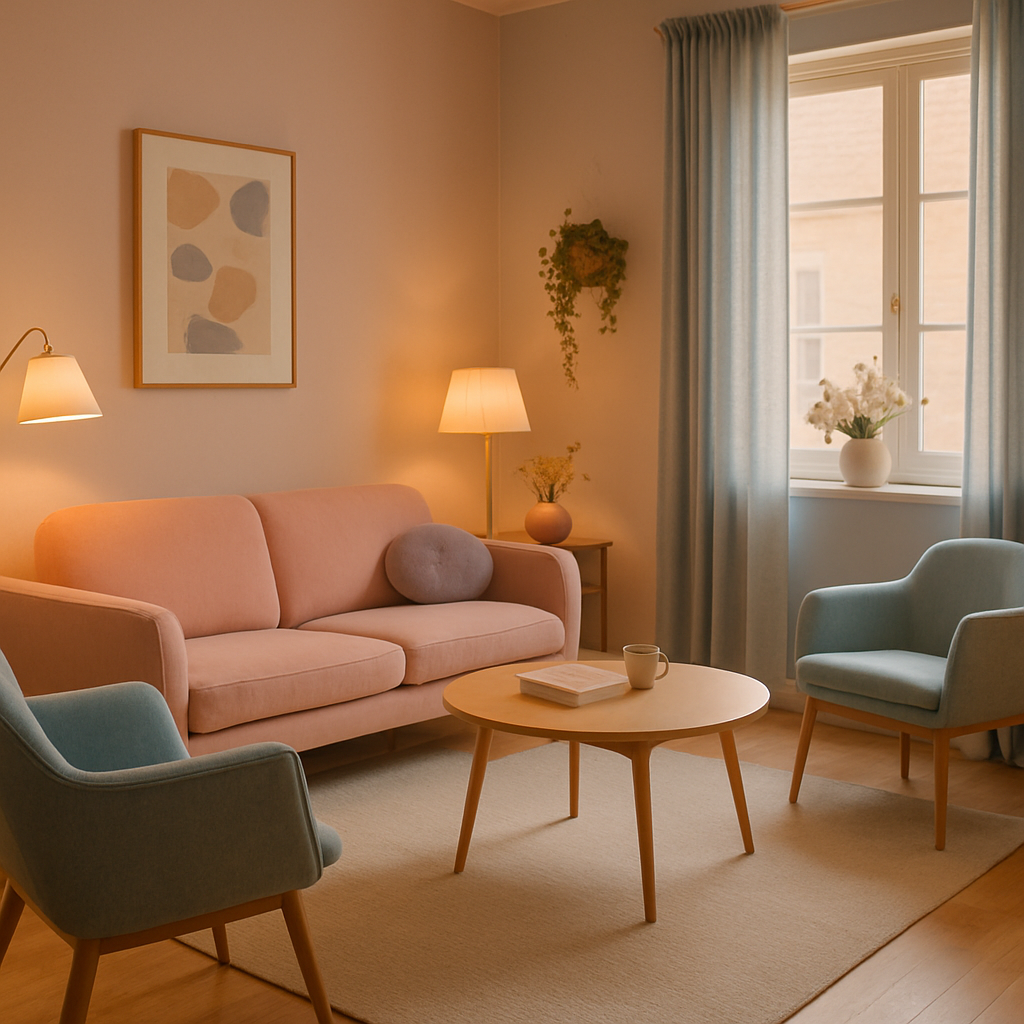
Imagine walking into your living room and feeling like it has been lifted from the pages of a luxury design magazine. Yet, this transformation didn't require weeks of consultation with a designer but was instead crafted through the power of artificial intelligence. Recent surveys suggest that over 30% of homeowners are now leveraging AI tools to reimagine their spaces, indicating a seismic shift in the interior design landscape. This article explores how AI is reshaping the way we approach interior design, offering an in-depth look at ten transformative strategies.
We'll delve into foundational concepts, analyze key data that underscores AI's impact, and provide actionable strategies for integrating AI into your design process. From expert insights to additional depth on emerging trends, you'll gain a comprehensive understanding of how AI can elevate your living space. Ready to see your home through a new lens?
Understanding AI in Interior Design
At its core, artificial intelligence in interior design refers to the use of algorithms and machine learning to automate and enhance various aspects of the design process. This includes everything from generating design ideas to optimizing layouts based on user preferences and constraints. The application of AI in this field is not just about aesthetics; it's about creating spaces that intuitively meet the needs of their inhabitants.
One of the most compelling aspects of AI in interior design is its ability to personalize. By analyzing user data - such as lifestyle habits and personal style preferences - AI can suggest design elements that are tailored specifically to an individual or family. A study by Houzz indicates that personalized design solutions increase homeowner satisfaction by up to 20%, underscoring the value of bespoke environments.
Furthermore, AI tools like Planner 5D and Decor Matters allow users to visualize design changes in real-time. These platforms utilize augmented reality (AR) to provide immersive experiences, enabling users to see potential alterations in their space before making any physical changes. Ready to explore how these foundational concepts make way for more profound insights?
Data-Driven Design Decisions
Data is the backbone of AI's transformative power in interior design. By leveraging large datasets, AI can predict trends, optimize resource allocation, and ensure that design choices are both aesthetically pleasing and functional. According to ASID (American Society of Interior Designers), data-driven design can reduce project costs by up to 15% through improved efficiency and reduced material waste.
Consider a scenario where AI analyzes foot traffic patterns in a home to suggest optimal furniture arrangements. This not only enhances the flow and usability of a space but also ensures that the design serves its intended purpose effectively. By integrating data on climate conditions, AI can even recommend sustainable materials that align with environmental goals, a growing priority for many designers and homeowners.
Moreover, AI's predictive capabilities are invaluable in forecasting design trends. Platforms like Pinterest and Instagram provide a treasure trove of data that AI can analyze to identify emerging styles. As a result, designers can stay ahead of the curve, offering clients cutting-edge solutions that are both trendy and timeless. Curious about how you can apply these insights practically?
Implementing AI: Practical Strategies
Now that we understand the potential of AI in interior design, how can you harness this technology for your own projects? One practical strategy is to use AI-powered design tools to experiment with color schemes and furniture layouts. Tools like Roomstyler offer a drag-and-drop interface that simplifies the process of envisioning different design options.
Another approach is to utilize AI for material selection. With sustainability being a top concern, AI can analyze the environmental impact of various materials and suggest eco-friendly alternatives. This not only supports green living but can also enhance the resale value of your home. Industry professionals often note that homes with sustainable designs can command a 5-15% higher resale value.
Finally, consider AI's role in project management. Platforms like Coohom streamline procurement and logistics, ensuring that projects stay on schedule and within budget. By automating these aspects, you can focus more on creativity and less on administrative tasks. Ready to dive deeper into expert-level details and industry perspectives?
Expert Insights on AI's Role in Design
Experienced professionals in the interior design industry often highlight the nuanced role AI plays in facilitating communication between clients and designers. AI tools can interpret and visualize client preferences, which can then be refined through human expertise. This collaborative approach ensures that the final design not only meets but exceeds client expectations.
Moreover, AI enhances the accessibility of professional design services. By automating routine tasks, designers can offer their services at more competitive rates, making high-quality design accessible to a broader audience. The International Interior Design Association (IIDA) emphasizes that such accessibility democratizes design, making it possible for more people to enjoy expertly curated spaces.
Yet, it's crucial to strike a balance between AI capabilities and human intuition. While AI excels in analyzing data and optimizing designs, the human touch remains essential for infusing warmth and personality into a space. How can one maintain this balance effectively? Let's explore additional depth on emerging trends and tools in the next section.
Navigating Emerging Trends and Tools
With AI at the forefront of interior design innovation, staying informed about emerging tools and trends is vital. Biophilic design, which integrates natural elements into interiors, is gaining traction, and AI can optimize these elements to enhance well-being. For instance, AI can recommend plant species that thrive in specific lighting conditions or suggest layouts that maximize natural light.
The integration of smart home technology is another exciting trend. AI-driven systems can automate lighting, climate control, and even window treatments, creating a seamless living experience. According to NCIDQ (National Council for Interior Design Qualification), such integrations can significantly enhance the functionality and appeal of modern homes.
Additionally, AI is revolutionizing the way designers present their concepts. Virtual reality (VR) and augmented reality (AR) tools allow clients to experience a design before it's realized. This immersive approach not only aids decision-making but also enhances client satisfaction by setting clear expectations. What final perspectives can we draw from these insights?
Final Perspectives on AI's Transformative Potential
As we've seen, AI holds immense potential to transform interior design. By understanding and leveraging its capabilities, both designers and homeowners can create spaces that are not only visually stunning but also deeply functional and personalized. The seamless blend of technology and creativity opens new horizons for design innovation.
Yet, it's important to remember that AI is a tool, not a replacement for human creativity. The most successful projects will be those where AI is used to enhance, not overshadow, the designer's vision. As you consider incorporating AI into your next design project, think about where technology can complement your creative instincts.
Ultimately, the future of interior design lies in the harmonious integration of AI and human artistry. Are you ready to explore this frontier and transform your living space with cutting-edge innovation?
Conclusion
In conclusion, artificial intelligence is reshaping the landscape of interior design in ways previously unimaginable. From personalized design solutions to efficient project management and trend prediction, AI offers a wealth of opportunities to enhance our living environments. By embracing these technologies, both professional designers and homeowners can achieve remarkable transformations with ease.
As you contemplate the next steps for your own space, consider exploring AI-powered design tools and platforms. Start by browsing portfolios on platforms like Houzz or experimenting with AR tools to visualize potential changes. Even dedicating 20 minutes to research can significantly sharpen your eye for what you desire in your living space.
Your journey into the world of AI-enhanced interior design begins with a single step. Are you ready to take it?



Comments
Post a Comment