10 Unconventional Interior Design Ideas to Transform Your Home This Year
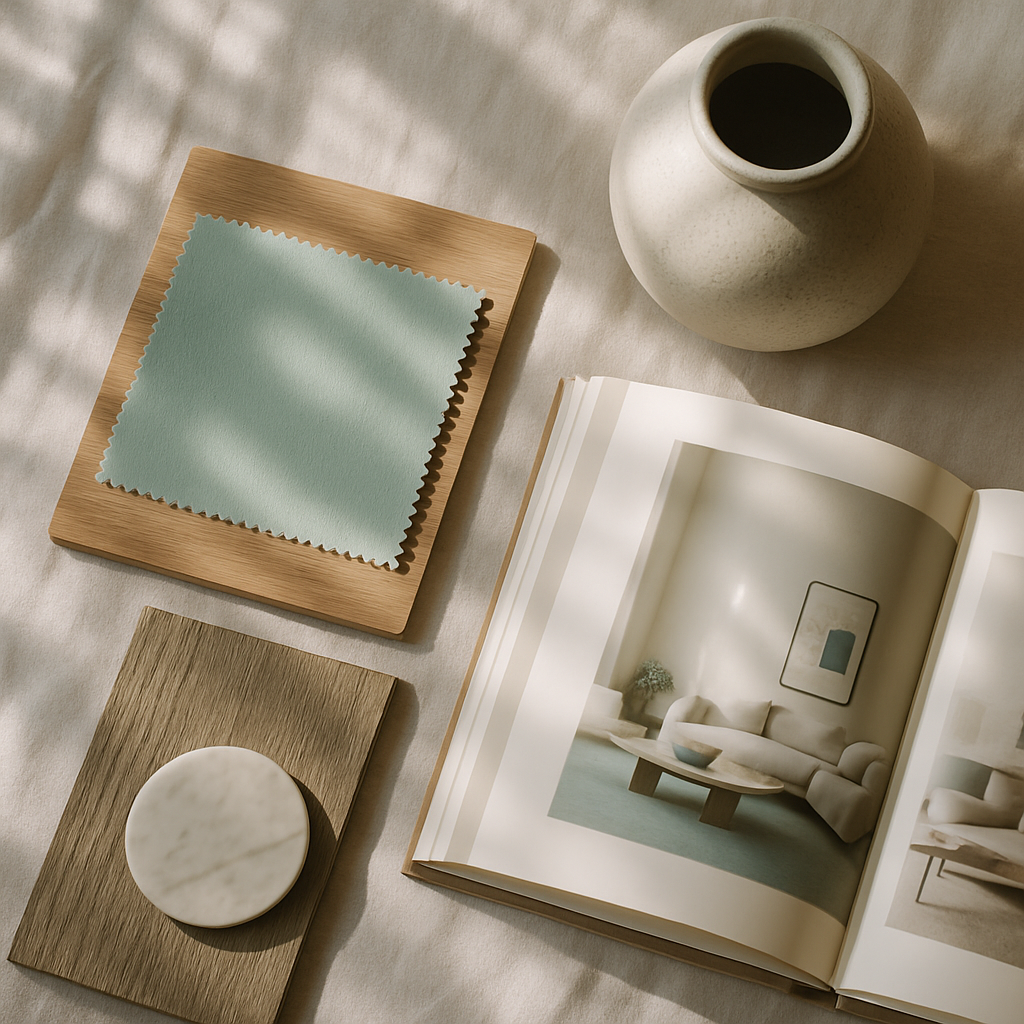
Did you know that a well-designed interior can increase your home's resale value by as much as 15%? According to the American Society of Interior Designers (ASID), the right design not only enhances aesthetics but also boosts functionality and market appeal. However, achieving such transformative results often requires thinking outside the box. In this article, we'll explore ten unconventional interior design ideas that can breathe new life into your home. From biophilic elements to smart home integrations, these strategies will help you create spaces that are not only beautiful but also highly functional.
Embrace Biophilic Design Concepts
Biophilic design is more than just a trend; it's a movement towards incorporating nature into our living spaces. This approach focuses on using natural materials, such as wood and stone, and integrating plants to create a calming environment. According to a Houzz survey, homes with biophilic elements report higher levels of occupant satisfaction and well-being. The concept of indoor-outdoor flow is central to biophilic design, allowing homes to breathe and connect with nature seamlessly.
One way to incorporate biophilic design is by installing a living wall. These vertical gardens can be a stunning focal point in any room and offer practical benefits like improved air quality. Another idea is to use large windows or glass doors that open into a garden or patio, inviting nature inside. These elements not only enhance the visual appeal of your home but also promote a healthy living environment.
Consider the materials you use in your home. Opt for sustainably sourced wood and stone to reinforce the biophilic theme. Experienced professionals often note that such materials not only lend a timeless quality to interiors but also contribute to eco-friendly living. As we move into the next section, we'll delve deeper into how data supports these design choices.
Analyzing the Impact of Design Choices
Design decisions can significantly affect both the functionality and value of your home. Industry surveys suggest that nearly 70% of homeowners who invested in sustainable materials reported a positive impact on their home's resale value. This aligns with findings from the National Council for Interior Design Qualification (NCIDQ), which emphasizes the importance of strategic design choices in modern interiors.
For instance, incorporating smart home technology is an emerging trend that adds considerable value. Automated lighting, climate control, and window treatments can enhance your home's efficiency and appeal. According to the International Interior Design Association (IIDA), homes with smart technology integrations see a marked increase in market desirability, particularly among tech-savvy buyers.
Moreover, the use of reclaimed materials is another unconventional yet impactful design strategy. Not only do these materials reduce environmental impact, but they also add a unique character to your spaces. Reclaimed wood, for example, can be used for flooring or accent walls, offering both aesthetic appeal and sustainability. Next, we'll explore actionable strategies to help you implement these ideas in your home.
Actionable Strategies for Home Transformation
Ready to transform your home with these unconventional design ideas? Start by assessing how you use each space. Map out where you spend the most time and how these areas can better serve your needs. For example, if you love hosting, consider rearranging furniture to create a more inviting layout for guests. Or, if your home office needs an upgrade, explore ergonomic furniture that promotes productivity and comfort.
Lighting plays a crucial role in setting the mood of a room. Swap out harsh overhead fixtures for softer, layered lighting options. Incorporate floor lamps, table lamps, and even string lights to create warmth and ambiance. Experienced designers often recommend using dimmable lights to provide flexibility and control over the atmosphere.
Finally, don't shy away from color. Bold hues can transform a space, adding energy and personality. Consider accent walls or colorful decor pieces as a way to introduce vibrancy without overwhelming the room. As you experiment with these strategies, we'll delve into expert-level details that can further enhance your design approach.
Expert-Level Design Insights
For those seeking a deeper level of design sophistication, consider the concept of "quiet luxury." This trend focuses on subtle elegance through high-quality materials and understated design elements. It's about creating a serene environment that exudes class without being ostentatious. According to Architectural Digest's AD PRO network, quiet luxury is gaining popularity among homeowners looking for timeless interiors that won't go out of style.
Japandi style is another expert-recommended approach, blending Japanese minimalism with Scandinavian warmth. This design philosophy emphasizes simplicity, functionality, and natural elements. It encourages decluttering and focusing on a few key pieces that provide both form and function. Houzz reports that Japandi interiors are particularly favored for their calming effect and minimalist appeal.
As you explore these expert-level insights, remember to maintain a balance between aesthetics and practicality. While it's tempting to focus solely on visual appeal, the most successful designs also consider how a space feels and functions in everyday life. We'll continue with additional depth on how to achieve this balance effectively.
Achieving Balance in Design
Balance is key in any interior design project. It's crucial to harmonize the elements of your home so that they complement rather than compete with one another. Start by considering the proportions of your furniture and decor. Ensure that larger pieces don't overwhelm smaller ones and that there's cohesive flow throughout each room.
Another aspect of balance is texture. Mixing different textures can add depth and interest to a space. Combine smooth surfaces with rough ones, like a sleek glass table paired with a textured rug or a soft velvet sofa accented by a reclaimed wood coffee table. This contrast keeps the design dynamic and engaging.
Lastly, balance your color palette. Use a mix of neutrals and bold colors to create visual interest without being overpowering. Consider the 60-30-10 rule, a popular design principle where 60% of the room is a dominant color, 30% a secondary color, and 10% an accent color. This guideline helps maintain a harmonious color scheme. As we conclude, let's reflect on the transformative potential of these ideas.
Final Perspectives on Unconventional Design
Transforming your home with unconventional design ideas requires both creativity and strategy. Whether you're embracing biophilic design, integrating smart technology, or experimenting with quiet luxury, each approach offers unique benefits. The key is to tailor these ideas to fit your personal style and practical needs.
Remember, great design is all about creating spaces that enhance your quality of life. It's not just about aesthetics but also about functionality and comfort. Ask yourself: How can each room better support your daily activities? What changes will make the most significant impact on your home's atmosphere?
As you ponder these questions, consider how the strategies discussed can be adapted to your unique environment. With thoughtful planning and execution, you can achieve a home that's both stylish and livable. Let's wrap up with a call to action that will guide your next steps.
Conclusion
Incorporating unconventional interior design ideas can truly transform your home into a haven of style and functionality. By embracing innovative concepts like biophilic design and smart technology, you can create spaces that not only look great but also improve your quality of life. So, where should you begin? Start by browsing designer portfolios on platforms like Houzz and Instagram. Even a short 20-minute session can inspire your vision and help you pinpoint what resonates with you.
Ready to take the plunge? Consider reaching out to certified interior designers through the ASID or IIDA directories to bring your ideas to fruition. With professional guidance, you can navigate the complexities of design with confidence. Remember, the most successful interiors are those that reflect your personality and lifestyle. Transform your home today, and enjoy the benefits of a beautifully curated space.


Comments
Post a Comment