10 Trendy Interior Design Ideas to Transform Your Home in 2023
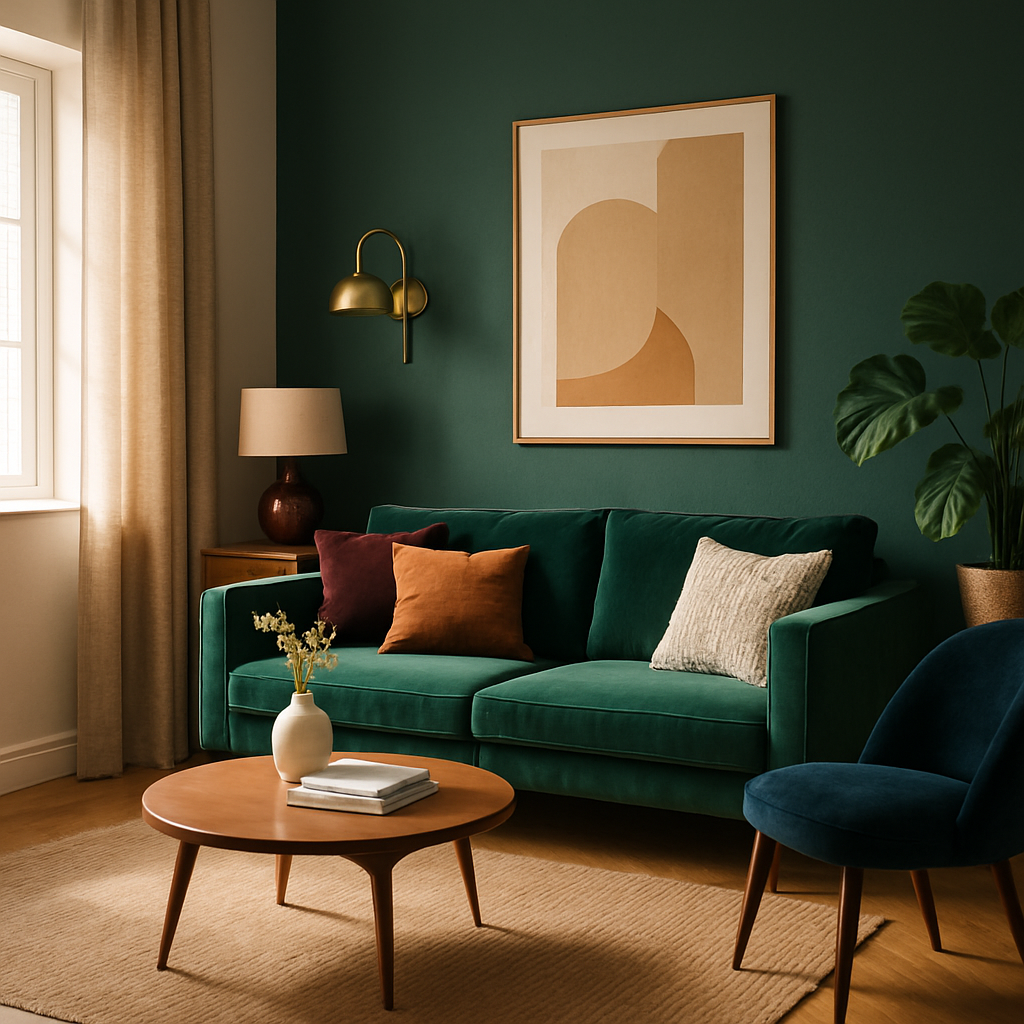
Are you ready to give your home a fresh, stylish makeover? According to a recent survey by Houzz, over 70% of homeowners plan to renovate their interiors within the next year. This surge in interest reflects a growing desire to blend aesthetics with functionality in exciting new ways. The year 2023 brings a plethora of trendy interior design ideas, from biophilic design elements that connect us to nature to the quiet luxury of understated elegance. In this article, we'll explore ten transformative ideas that can elevate your living space, providing you with both inspiration and practical guidance. We'll delve into foundational concepts, analyze trends with supporting data, offer actionable strategies, and share expert insights to help you achieve the home of your dreams.
Foundational Concepts for 2023 Interior Design
At the heart of 2023's interior design trends is the emphasis on creating spaces that are not only visually appealing but also deeply functional. This year, the focus shifts towards designing interiors that reflect personal tastes while accommodating modern living needs. Biophilic design, which integrates natural elements into indoor spaces, has gained significant traction. By incorporating living walls, natural materials like wood and stone, and large windows that blur the lines between inside and out, homes become more harmonious with their environment.
Another foundational concept is the rise of quiet luxury - a trend characterized by understated elegance and a minimalist approach. This involves the use of high-quality materials and craftsmanship that speak for themselves without the need for ostentation. For instance, plush textiles in neutral tones and sleek furniture with clean lines can create a serene and sophisticated atmosphere. This approach not only elevates the aesthetic but also enhances the overall ambiance of the home.
Smart home integration continues to be a pivotal aspect of modern interior design. As technology becomes more advanced, incorporating smart lighting, climate control, and automated window treatments is becoming a standard practice. These elements not only provide convenience but also contribute to energy efficiency and sustainability. When planning your next redesign, consider how these foundational concepts can be harmoniously integrated into your space.
As we explore further, we'll analyze how these concepts are being adopted and the impact they have on home design.
Analyzing 2023 Design Trends with Data
The trends of 2023 are not just a matter of aesthetic preference - they're grounded in data and consumer behavior. According to the American Society of Interior Designers (ASID), the demand for sustainable and eco-friendly design solutions has increased by 35% over the past year. Homeowners are gravitating towards materials that offer durability without compromising on environmental responsibility. For instance, reclaimed wood and recycled metals are becoming popular choices for flooring and furnishings, marrying sustainability with style.
The Houzz annual survey reveals that spending on home renovations has also seen a notable rise, with an average budget increase of 20% compared to previous years. This uptick indicates a willingness among homeowners to invest in transformative design changes that enhance both the functionality and resale value of their properties. As reported by the National Council for Interior Design Qualification (NCIDQ), well-designed interiors can boost a home's resale value by 5-15%, making these investments financially prudent.
Moreover, the integration of smart technology in home design continues to grow. A study by Statista found that the global smart home market is expected to surpass $150 billion by 2025, underscoring the importance of tech-savvy design solutions. From voice-activated assistants to automated security systems, these technologies are reshaping the way we interact with our living spaces, offering convenience and peace of mind.
Understanding these trends and the data behind them is crucial in making informed decisions about your home design projects. Next, we'll explore actionable strategies to implement these trends in your own space.
Actionable Strategies for Implementing Trends
Ready to bring these trends to life in your own home? Start by assessing which elements of your current space align with the 2023 design ethos and which areas need a refresh. Consider beginning with biophilic design elements - introduce houseplants that not only improve air quality but add a touch of greenery to your interiors. If you're ambitious, a vertical garden or a living wall can serve as a stunning focal point in any room.
For those interested in quiet luxury, focus on decluttering and simplifying your space. Invest in a few key pieces of high-quality furniture that exude understated elegance. Think along the lines of a plush velvet sofa in a muted color or a hand-crafted wooden dining table. These items should serve as the centerpiece of your rooms, complemented by subtle yet sophisticated accessories like artisanal vases or bespoke lighting.
Integrating smart home technology doesn't have to be overwhelming. Begin with simple additions like smart bulbs or a programmable thermostat. These can be easily controlled via smartphone apps, allowing you to adjust settings for optimal comfort and energy savings. As you become more comfortable, consider expanding to more comprehensive systems that include smart speakers, security cameras, and automated blinds.
With these strategies in mind, let's delve deeper into expert insights that can guide your design journey.
Expert-Level Insights for 2023 Design
Experienced professionals often note that the key to successful interior design is not just following trends but understanding the principles behind them. For instance, biophilic design is rooted in the idea that humans have an innate connection to nature, which can enhance well-being and productivity. Therefore, when incorporating natural elements, think about how they can improve your lifestyle. Position seating areas near windows to maximize natural light or use materials like bamboo that have a lower environmental impact.
When it comes to quiet luxury, less is often more. The International Interior Design Association (IIDA) emphasizes the importance of selecting materials that offer both aesthetic appeal and durability. For instance, choosing textiles like wool or cashmere for upholstery not only provides comfort and longevity but also adds an element of sophistication. Similarly, opting for timeless color palettes ensures that your design remains stylish and relevant for years to come.
Incorporating smart home technology requires an understanding of how these tools can best serve your lifestyle. The Architectural Digest's AD PRO network advises starting with a comprehensive assessment of your needs. Are you looking to enhance security, improve energy efficiency, or simply enjoy hands-free control of your home environment? Once you've established your priorities, you can select the technologies that align with your goals, ensuring a seamless integration into your design.
With expert insights in hand, we can now explore additional details that refine these trends further.
Additional Depth: Refining Your Design Approach
To truly make your home a reflection of 2023's design trends, consider how you can layer different elements to create depth and interest. For instance, pairing biophilic elements with modern, sleek furniture can create a dynamic contrast that is both visually intriguing and functionally sound. Use textures and finishes to add dimension - think about combining matte and glossy surfaces or mixing metals for a more eclectic look.
Sustainability is more than just a trend; it's an essential consideration for the future of design. The American Institute of Architects (AIA) encourages the use of eco-friendly materials that minimize environmental impact. Look for certifications like FSC (Forest Stewardship Council) when purchasing wood products or opt for recycled materials wherever possible. These choices not only benefit the planet but can also add unique stories to your home decor.
Finally, don't underestimate the power of personalization in interior design. While trends provide a framework, your personal style should shine through. Use Pinterest and Instagram for inspiration, but don't be afraid to step outside the norm to create a space that feels truly yours. After all, the best designs are those that resonate personally while incorporating broader trends.
As we conclude, consider how these elements come together to form a cohesive design vision.
Final Perspectives on Transformative Design
Transforming your home in 2023 involves more than just adopting the latest trends; it's about creating a space that enhances your lifestyle and reflects your values. Whether you're drawn to the serenity of biophilic design or the timeless appeal of quiet luxury, the key is to integrate these elements in a way that feels authentic to you. Consider how each design choice contributes to the overall experience of your home, from the practical benefits of smart technology to the aesthetic appeal of sustainable materials.
As you embark on your design journey, remember that trends are a guide, not a rulebook. Use them to inspire your creativity and inform your decisions, but always tailor your approach to suit your personal needs and preferences. By doing so, you'll not only create a beautiful and functional living space but also a home that truly resonates with who you are.
In the final section, we'll summarize our exploration and offer a specific call to action to kickstart your design project.
Conclusion: Embarking on Your Design Journey
In 2023, interior design trends offer a rich tapestry of possibilities to transform your home into a space that is both stylish and functional. From the natural elements of biophilic design to the sleek sophistication of quiet luxury, there are myriad ways to update your interiors. Embrace smart technology for a modern touch and prioritize sustainability to create a future-proof environment. As you plan your redesign, ask yourself: How can these trends enhance my daily life and reflect my personal style?
Now is the perfect time to start exploring these ideas. Begin by browsing designer portfolios on platforms like Houzz or social media sites like Pinterest for inspiration. Consider reaching out to certified interior designers, such as those listed in the ASID directory, to gain professional insights tailored to your specific needs. Even dedicating just 20 minutes a day to research can sharpen your eye for what you want in your home.
Take the first step today and lay the groundwork for a home transformation that will delight and inspire for years to come.


Comments
Post a Comment