10 Stunning Art Deco Interior Design Ideas to Transform Your Space
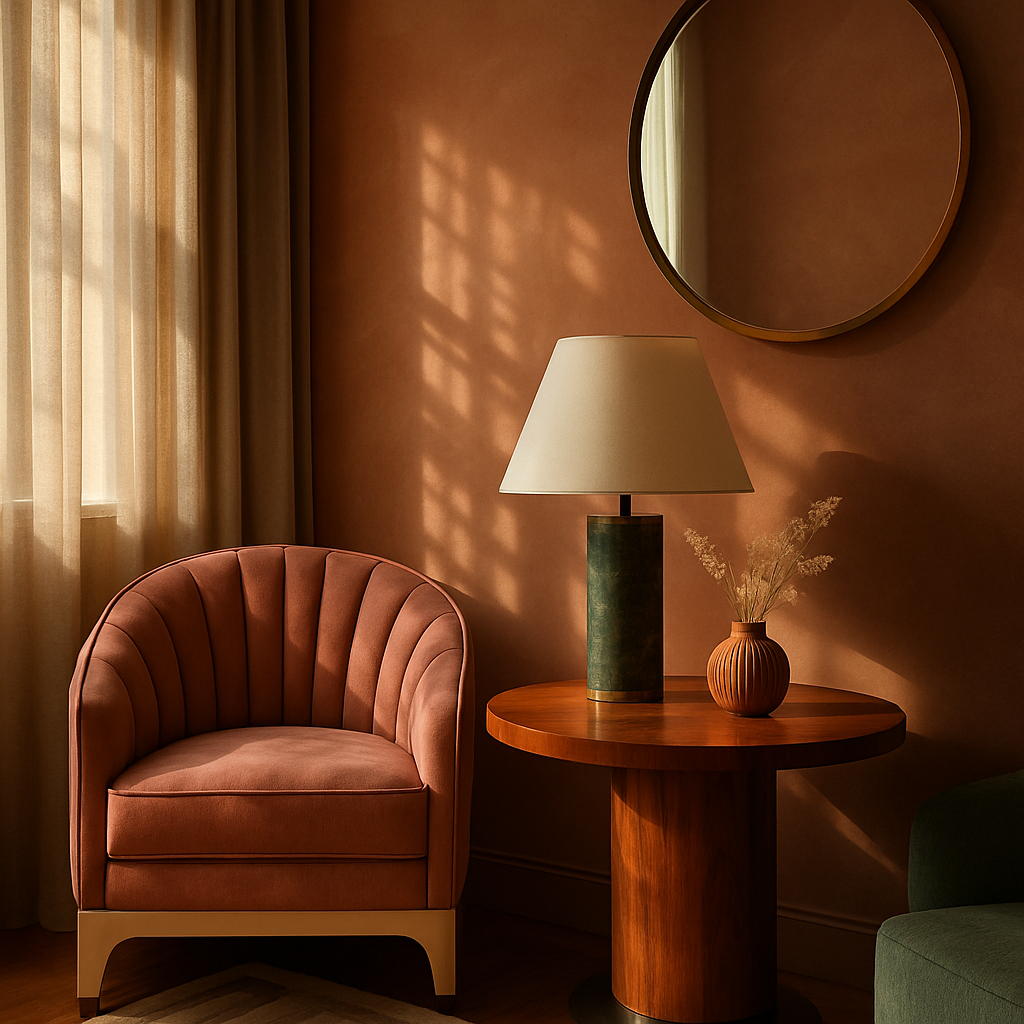
Imagine walking into a room that instantly transports you to the glamour and elegance of the 1920s. Art Deco, known for its bold geometric patterns and luxurious materials, offers just that experience. This design style is making a comeback, with many homeowners seeking to infuse their spaces with its distinctive flair. According to a Houzz survey, Art Deco elements are featured in over 25% of contemporary design projects, indicating its growing popularity among design enthusiasts. In this article, we'll explore ten stunning Art Deco interior design ideas that can transform your space into a timeless retreat. From foundational concepts to expert-level details, you'll gain insights into how to integrate this iconic style into your home.
Understanding the Foundations of Art Deco Design
At its core, Art Deco is about opulence and symmetry. Originating in the early 20th century, this style was a response to the austerity of World War I, embodying a sense of lavishness and exuberance. The foundational elements include geometric shapes, rich colors, and high-quality materials like marble and stainless steel. These elements work together to create a sense of order and luxury. Art Deco's emphasis on symmetry is not just aesthetic; it provides a balance that is visually pleasing and calming.
One of the most recognizable features of Art Deco design is its use of bold geometric patterns. These can be seen in everything from wallpaper to flooring, often featuring zigzags, chevrons, and sunburst motifs. These patterns add a dynamic energy to any space, drawing the eye and creating focal points that can elevate the overall design. For instance, a sunburst mirror can serve as a striking centerpiece in a living room or entryway.
Another crucial aspect of Art Deco is its color palette, which typically includes deep greens, blues, and purples, balanced by metallics like gold and silver. These colors are associated with luxury and sophistication, and when combined with the intricate patterns and high-quality materials, they create a cohesive and opulent look. As we delve into the specifics, consider how these foundational elements might fit into your current design plans.
Deeper Analysis: The Rise of Art Deco in Modern Interiors
In recent years, the resurgence of Art Deco can be attributed to a broader trend towards nostalgic and vintage styles. According to the American Society of Interior Designers (ASID), more homeowners are seeking to incorporate historical styles into their modern living spaces. This fusion of past and present creates a unique aesthetic that appeals to design-savvy individuals looking for something beyond minimalism.
Statistical data from Houzz reveals that projects featuring Art Deco elements have increased by 15% from the previous year. This rise is partially due to the versatility of Art Deco, which can be adapted to various scales and budgets. Whether it's a single statement piece or a full-room redesign, the style offers flexibility while maintaining its characteristic elegance. Importantly, the use of Art Deco is not limited to residential spaces; many commercial interiors, such as boutique hotels and upscale restaurants, also embrace this style to convey sophistication and class.
Experienced professionals often note that Art Deco's appeal lies in its ability to transform a space dramatically. By integrating elements like mirrored surfaces and bold lighting fixtures, you can create an environment that feels both timeless and cutting-edge. Next, we'll explore actionable strategies to bring these Art Deco elements into your home.
Actionable Strategies for Implementing Art Deco
If you're ready to dive into the world of Art Deco, start by assessing your current space. Which areas could benefit from a touch of glamour? Consider the use of Art Deco as a focal theme in one room, such as the living room or bedroom. Begin with smaller elements like textiles or lighting fixtures before committing to more significant changes. For instance, a pair of geometric-patterned cushions can instantly introduce an Art Deco vibe without overwhelming the space.
Another effective strategy is to incorporate Art Deco lighting. Chandeliers with glass and chrome finishes are quintessential to the style. These fixtures not only illuminate but also add a layer of sophistication. Additionally, consider using floor lamps with geometric designs to complement the overall aesthetic. Lighting is crucial in Art Deco design, as it highlights the luxurious materials and intricate patterns that define the style.
Furniture choices are also pivotal in achieving an Art Deco look. Opt for pieces that feature rich woods like mahogany or walnut, often accented with metallic or mirrored surfaces. This combination creates a sense of depth and luxury. When selecting furniture, focus on pieces with clean lines and geometric shapes to stay true to the Art Deco aesthetic. As you explore these strategies, think about how each element can cohesively work within your space.
Expert-Level Insights into Art Deco Details
Incorporating Art Deco into your home doesn't stop at furniture and lighting. Experienced interior designers often emphasize the importance of accessories in completing the look. Mirrors with intricate frames, for example, can amplify the sense of space and light. Choose mirrors with sunburst designs or beveled edges to align with the Art Deco aesthetic.
Textiles also play a significant role. Luxurious fabrics such as velvet or silk, in deep jewel tones, can add layers of texture and richness. Consider using these materials for draperies, upholstery, or even area rugs. The tactile quality of these textiles enhances the opulent feel inherent in Art Deco design. When selecting textiles, aim for those that feature geometric patterns or metallic threads to tie the room together.
Finally, don't overlook the power of art and sculpture. Incorporate pieces that reflect the geometric and symmetrical themes of Art Deco. Sculptures made from bronze or marble can serve as focal points, while art prints featuring bold lines and contrasting colors can add visual interest. As you refine your design, remember that each element should contribute to the overall harmony of the space.
Additional Depth: Budgeting for Art Deco Projects
Transforming your space with Art Deco elements doesn't have to break the bank. While some may choose to invest in high-end pieces, there are budget-friendly options available that capture the essence of the style. It's important to determine your priorities and allocate your budget accordingly. For example, you might decide to splurge on a statement chandelier while opting for more affordable textiles.
The cost of an Art Deco redesign can vary significantly. A single room makeover could range from $5,000 to $15,000, depending on the materials and extent of the changes. For a full-home transformation, expect to budget between $50,000 and $150,000. Keep in mind that well-designed interiors can increase home resale values by 5-15%, making it a worthwhile investment. When planning your budget, consider consulting resources like the IIDA (International Interior Design Association) for guidance on costs and project management.
Another cost-effective approach is to start with vintage or second-hand finds. Many Art Deco pieces can be sourced from antique stores or online marketplaces, offering authenticity and affordability. As you plan your budget, think about which elements are essential for achieving the Art Deco look you desire.
Final Perspectives on Art Deco Transformation
As you embark on your Art Deco journey, it's essential to maintain a balance between authenticity and modernity. While it's tempting to recreate a period-specific look, integrating contemporary elements can make the space more livable and personalized. Consider how modern technology, like smart home integration, can be seamlessly combined with Art Deco's classic features.
Think about how you use each room and how the Art Deco style can enhance those experiences. For instance, a dining room might benefit from a luxurious chandelier and mirrored surfaces that reflect warmth during gatherings. Meanwhile, a bedroom could incorporate plush textiles and geometric patterns to create a serene retreat. By thoughtfully applying these ideas, you can create a space that is both stylish and functional.
Ultimately, the goal is to create a home that reflects your personality while honoring the timeless appeal of Art Deco design. With the right balance, your space can become a sophisticated sanctuary that speaks to both history and contemporary tastes.
Conclusion: Bringing Your Art Deco Vision to Life
Art Deco design offers a unique opportunity to transform your space with elegance and sophistication. By understanding its foundational elements, analyzing its modern resurgence, and applying actionable strategies, you can create a home that captures the glamour of the 1920s while remaining relevant today. Whether you choose to incorporate bold geometric patterns, luxurious materials, or vintage furniture, each element contributes to a cohesive and opulent design.
Are you ready to start your Art Deco journey? Begin by exploring designer portfolios on platforms like Houzz or visiting local antique shops to find inspiration and key pieces. Even dedicating a few hours this week to research and planning can set the stage for a stunning transformation. Your Art Deco dream space awaits, so take that first step today.


Comments
Post a Comment