10 Must-Know Trends in House Interior Design for 2024
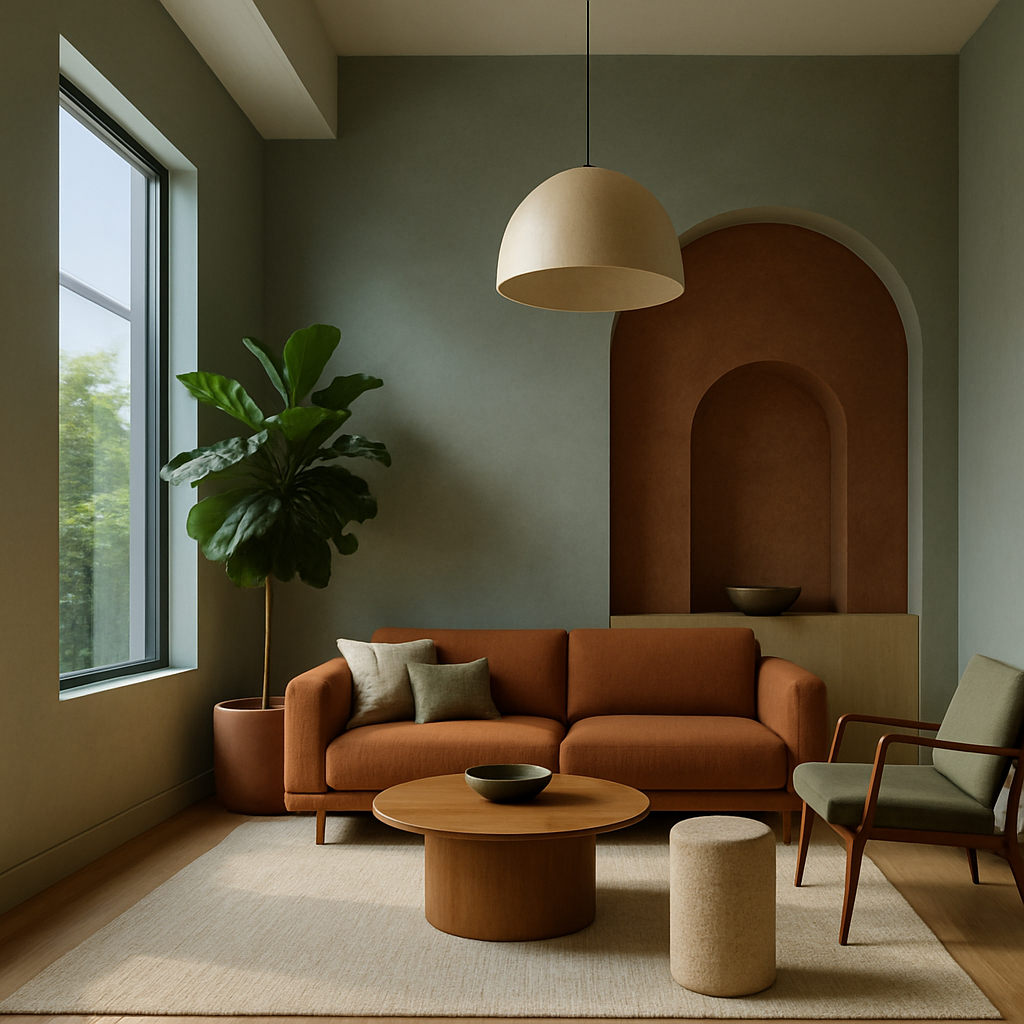
Have you ever walked into a room and felt instantly at ease? Chances are, it's thanks to the latest interior design trends that are reshaping our living spaces with both style and functionality. As we navigate through 2024, the world of interior design is embracing a blend of technology, sustainability, and understated elegance. Homeowners are increasingly looking to create environments that not only look stunning but also enhance their well-being and reflect their personal values. In this in-depth exploration, we'll delve into ten pivotal trends that every design enthusiast should know about. From biophilic design elements to smart home integrations, these trends are setting the stage for the future of interiors. Prepare to be inspired as we uncover how these concepts can transform your home into a sanctuary of comfort and sophistication.
Biophilic Design: Bringing Nature Indoors
Biophilic design is more than just a buzzword; it's a movement that emphasizes our innate connection to nature. This trend involves incorporating natural elements such as plants, natural light, and organic materials into interior spaces. According to research from the International WELL Building Institute, integrating biophilic design can improve air quality and mental well-being. For example, living walls or vertical gardens not only enhance aesthetics but also improve air purification indoors. Moreover, large windows and skylights that maximize natural light are becoming staples in modern interiors, as they not only reduce energy costs but also cultivate a serene atmosphere.
Experienced professionals often note that biophilic elements are essential in creating a calming environment. The use of natural materials like wood and stone further accentuates this connection, fostering a sense of tranquility. In practice, this might involve selecting furniture made from reclaimed wood or opting for stone countertops in the kitchen. The tactile experiences provided by these materials can make a space feel warmer and more inviting, aligning with the trend of understated elegance that is prevalent this year.
But why is this important to you? In our fast-paced, digital world, the need for a serene and rejuvenating home has never been greater. By embracing biophilic design, you can create a personal haven that helps reduce stress and improve your overall quality of life. As we move forward, expect to see more designers advocating for spaces that seamlessly blend the indoors with the outdoors.
Quiet Luxury: Understated Elegance
Quiet luxury is a trend that champions subtle sophistication over ostentatious displays. This concept focuses on quality over quantity, with an emphasis on craftsmanship and timeless design. According to a 2024 survey by the American Society of Interior Designers (ASID), homeowners are increasingly valuing pieces that offer both aesthetic appeal and longevity. This shift is reflected in the choice of materials, with a preference for high-quality, durable fabrics and finishes.
For instance, consider how a single, well-crafted piece of furniture can elevate an entire room. An elegant, minimalist sofa upholstered in a rich fabric can serve as the focal point, complemented by neutral color palettes and simple, clean lines. This approach not only highlights the beauty of each piece but also creates a cohesive and serene environment. The trend of quiet luxury is about creating spaces that feel luxurious without being flashy, allowing the quality of materials and design to speak for themselves.
Are you considering a revamp of your living space? Focus on investing in fewer, but higher-quality items that will stand the test of time. By doing so, you're not just decorating; you're curating a space that reflects a nuanced appreciation for design. As we transition to the next trend, consider how quiet luxury can be integrated with technological advancements to enhance both form and function in your home.
Smart Home Integration: The Future is Now
As technology continues to evolve, smart home integration is becoming a cornerstone of modern interior design. This trend involves incorporating smart technology to enhance the functionality and convenience of living spaces. Home automation systems like Google Nest and Amazon Alexa are leading the charge, allowing homeowners to control lighting, climate, and even window treatments with a simple voice command or through mobile apps.
According to Houzz, a significant percentage of homeowners are investing in smart home upgrades, with lighting and climate control being the most popular areas. Imagine walking into your home and having the lights adjust automatically to your preferred setting, or your thermostat optimizing energy usage based on your daily routine. These technologies not only provide convenience but also contribute to energy efficiency, ultimately reducing utility costs.
If you're looking to integrate smart technology into your home, start small. Consider installing smart light bulbs or a programmable thermostat. Over time, you can expand to more comprehensive systems that integrate various aspects of your home environment. As we explore more trends, think about how these technological advancements can coexist with sustainable practices to create a harmonious living space.
Sustainable and Reclaimed Materials: Eco-Friendly Choices
Environmental consciousness is at the forefront of interior design decisions today, with a growing emphasis on sustainability. Sustainable and reclaimed materials not only reduce environmental impact but also offer unique aesthetic qualities. According to the International Interior Design Association (IIDA), using reclaimed wood, recycled glass, and other repurposed materials is gaining traction among designers and homeowners alike.
Consider the charm of a reclaimed wood dining table, each piece carrying its own story and history. Such elements add character and warmth to a space, creating a design narrative that is both personal and environmentally responsible. Additionally, recycled glass tiles for kitchens and bathrooms are being used not just for their eco-friendly credentials but also for their vibrant, unique appearance.
Are you ready to make sustainable choices in your home design? Start by exploring options for reclaimed materials and seek out products with certifications like FSC (Forest Stewardship Council) for wood. These choices not only contribute to a healthier planet but also ensure that your home is filled with distinctive, one-of-a-kind pieces. As we continue, we'll delve into the aesthetic blend of Japandi design, which harmonizes these sustainable principles with minimalist beauty.
Japandi: A Fusion of Minimalism and Warmth
Japandi design is the perfect marriage of Japanese minimalism and Scandinavian warmth, offering a serene and balanced aesthetic. This trend focuses on simplicity, functionality, and the use of natural materials, creating spaces that are both calming and inviting. According to Architectural Digest, Japandi's appeal lies in its ability to blend clean lines with cozy textures, resulting in interiors that feel both spacious and intimate.
Imagine a living room where a neutral color palette is juxtaposed with warm wooden accents and simple, elegant furnishings. The key to Japandi lies in its restraint; every piece is intentional, serving a purpose while contributing to the overall harmony of the space. This design philosophy encourages decluttering and emphasizes the importance of space and light, making rooms seem larger and more welcoming.
If you're drawn to the Japandi style, consider starting with a neutral base, like soft whites or muted earth tones, and incorporating elements like woven textiles, wood, and ceramics. This approach not only fosters tranquility but also aligns with the sustainable practices we discussed earlier. As we approach the conclusion, reflect on how Japandi's minimalist principles can be applied to various aspects of your home to create a cohesive design.
Final Perspectives on Interior Design Trends
The world of interior design is ever-evolving, with current trends emphasizing a blend of technology, sustainability, and timeless elegance. Whether you're drawn to the natural serenity of biophilic design or the sleek functionality of smart home technology, there's no denying that these trends offer exciting opportunities to personalize and enhance your living spaces. The key is to approach design with intention, selecting elements that resonate with your lifestyle and values.
As you consider integrating these trends into your home, remember that the ultimate goal is to create a space that reflects who you are while providing comfort and functionality. By staying informed and open to new ideas, you can ensure that your home remains both stylish and enduring. The journey of design is personal, and the choices you make today will shape the experience of your home for years to come.
Conclusion: Embrace the Future of Interior Design
In summary, the current trends in interior design offer a wealth of inspiration for creating beautiful and functional living spaces. From embracing biophilic elements and sustainable materials to integrating cutting-edge technology and adopting minimalist principles, these trends guide us toward a future where design is both innovative and meaningful. Are you ready to transform your home into a reflection of these trends?
Start by browsing designer portfolios on platforms like Houzz or exploring ideas on Pinterest to gather inspiration. Even spending just 20 minutes a day researching can sharpen your eye for what resonates with you. Remember, the best designs are those that are thoughtfully curated, so take your time to explore and experiment. As you embark on this journey, keep in mind that your home is a canvas, and each design choice is an opportunity to express your personal style.



Comments
Post a Comment