10 Must-Have Sections in Your Interior Design Handbook for a Stunning Home
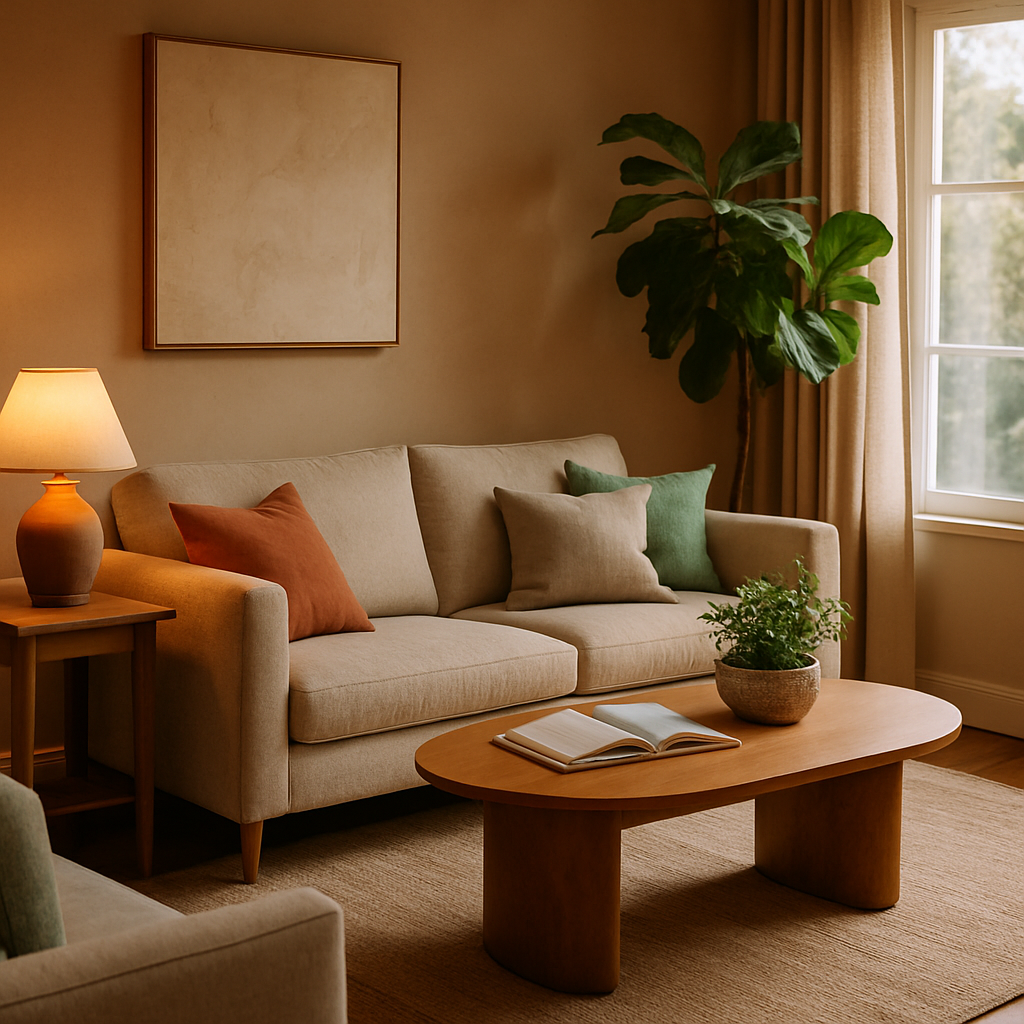
Is your home truly a reflection of your personal style, or does it feel more like a hodgepodge of furniture and colors? According to a 2023 Houzz survey, 75% of homeowners feel that their interiors do not fully capture their desired aesthetic. Creating a stunning home is not just about purchasing the latest trends; it involves a strategic approach to interior design that considers both form and function. This article outlines the ten essential sections that should be part of your interior design handbook, guiding you from initial concepts through to the finishing touches. From foundational principles to advanced techniques, we'll explore how you can transform your space into a cohesive, elegant sanctuary.
Understanding the Foundational Concepts
Every successful interior design project begins with a solid understanding of foundational concepts. This includes the principles of balance, harmony, and proportion. Balance can be symmetrical, asymmetrical, or radial, and it plays a critical role in ensuring that a space feels stable and cohesive. Harmony involves the integration of different design elements to create a unified look, while proportion refers to the relationship between the size of objects within a space. Mastering these concepts allows you to create environments that are both aesthetically pleasing and functional.
The foundational section of your interior design handbook should also cover color theory. Understanding color relationships and how they affect mood can drastically change the feel of a room. For example, blue tones are often used in bedrooms for their calming effects, while warmer colors like red and orange can energize a space. Professional designers often use color wheels and palettes to guide their decisions, ensuring that each room's color scheme supports the intended function.
Space planning is another critical component. This involves mapping out how a room is used, taking into consideration traffic flow, furniture arrangement, and the relationship between different areas. Space planning ensures that your home is not only beautiful but also practical, preventing common pitfalls such as overcrowded rooms or awkward layouts. As you delve deeper into your handbook, you'll see how these foundational concepts connect with more advanced strategies.
Deeper Analysis with Data
To elevate your interior design handbook, incorporate data-driven insights that inform design decisions. According to the American Society of Interior Designers (ASID), well-designed interiors can increase a home's resale value by 5-15%. This statistic underscores the importance of considering design investments not only for personal enjoyment but also for long-term financial benefits. Integrating data into your decision-making process can lead to more informed choices that align with both aesthetic and practical goals.
Another valuable source of data comes from the annual Houzz survey, which highlights trends in homeowner spending and satisfaction. For example, the 2023 survey revealed that homeowners are increasingly willing to invest in sustainable materials, with 68% prioritizing eco-friendly options. This trend is particularly relevant for those looking to incorporate biophilic design principles, which emphasize natural materials and an indoor-outdoor flow. By understanding these trends, you can tailor your design handbook to reflect current values and preferences.
Data analysis also extends to the use of technology in design. Smart home integration is becoming a staple in modern interiors, with features like automated lighting and climate control enhancing both convenience and energy efficiency. By including sections on the latest technology trends, your handbook will not only guide aesthetic choices but also ensure that your home remains on the cutting edge of innovation. This sets the stage for actionable strategies that can bring these concepts to life.
Actionable Strategies for Implementation
Once you have a firm grasp of foundational concepts and data insights, the next step is to translate them into actionable strategies. Start by developing a clear design concept for each room, incorporating mood boards and sketches to visualize your ideas. Experienced professionals often note that a cohesive design concept helps streamline decision-making, ensuring that every choice supports the overall vision.
Incorporating a detailed budgeting section is crucial. This should outline cost estimates for furniture, materials, and labor, providing a realistic framework for your design project. The International Interior Design Association (IIDA) suggests considering various fee structures, such as flat fees, hourly rates, and percentage-based costs. Understanding these options can help you manage expenses effectively, preventing budget overruns and ensuring a smoother design process.
Another practical strategy is to leverage AR/VR room visualization tools, which allow you to experience your space in a virtual environment before committing to any changes. These tools can help you experiment with different layouts and color schemes, reducing the risk of costly mistakes. By incorporating actionable strategies into your handbook, you equip yourself with the tools needed to execute your design vision successfully. This leads us to expert-level design techniques that can further enhance your home.
Expert-Level Design Techniques
For those seeking to elevate their interiors, expert-level design techniques can provide the sophistication and elegance that set a home apart. Biophilic design, which integrates natural elements into the built environment, is one such technique gaining traction. By incorporating features like living walls and natural materials, you can create spaces that promote well-being and connect occupants with nature. This section of your handbook should offer guidance on selecting sustainable materials and designing for an indoor-outdoor flow.
Quiet luxury, characterized by understated elegance, is another trend worth exploring. This approach focuses on high-quality materials and refined craftsmanship, prioritizing timelessness over trends. To achieve this look, consider investing in classic pieces that offer both beauty and function. Architectural Digest's AD PRO network highlights that such investments often yield long-lasting satisfaction, as they resist the fleeting nature of fast fashion in interiors.
Finally, the Japandi style, a fusion of Japanese minimalism and Scandinavian warmth, offers a balanced approach to design. By emphasizing simplicity, functionality, and a neutral color palette, Japandi creates serene environments that encourage relaxation and mindfulness. Your handbook should detail how to balance these elements, ensuring that your home embodies the calm and clarity of this style. With these expert techniques in place, we can delve into additional depths of design knowledge.
Additional Depth in Design Knowledge
An often-overlooked aspect of interior design is the art of styling, which involves arranging furniture and accessories to enhance a room's aesthetic. Styling can transform a space from ordinary to extraordinary, and your handbook should include tips on selecting and arranging decor items. Consider how the placement of artwork, lighting, and textiles can alter a room's mood and functionality.
The National Council for Interior Design Qualification (NCIDQ) emphasizes the importance of understanding ergonomics in design. Ergonomics ensures that furniture and layouts support comfortable and healthy living, which is especially important in workspaces and high-traffic areas. Detailed sections on ergonomics will make sure that your designs are not only beautiful but also practical and comfortable.
Finally, a comprehensive interior design handbook should address common challenges and solutions. Whether it's dealing with small spaces, awkward layouts, or limited budgets, providing creative solutions can empower you to overcome these hurdles. By expanding your knowledge in these areas, your handbook becomes an invaluable resource that supports every stage of the design process. This leads us to a final perspective on how these elements come together.
Final Perspectives on a Cohesive Handbook
Bringing together all the elements of a comprehensive interior design handbook creates a resource that not only guides but inspires. Each section, from foundational concepts to expert techniques, plays a crucial role in developing a stunning home. Your handbook should be a living document, evolving with your style and knowledge over time. By continually updating and refining it, you ensure that it remains relevant and useful.
As you implement these strategies, consider how they reflect your personal tastes and lifestyle. Are your design choices aligned with how you live? Are the spaces not only visually appealing but also functional? These questions can help guide your ongoing design journey, ensuring that your home remains a true reflection of who you are. Ultimately, a well-crafted handbook is more than just a guide-it's a pathway to creating spaces that resonate on a personal and aesthetic level.
Conclusion
Creating a stunning home involves more than just selecting stylish furniture and paint colors; it requires a strategic approach to interior design. By incorporating the ten essential sections outlined in this article, your handbook can become an invaluable tool in your design journey. From foundational concepts to expert-level techniques, each component plays a role in transforming your home into a cohesive and elegant space.
Now is the time to take action. Start by reviewing your current spaces, identifying areas for improvement, and applying the insights from your handbook. Consider browsing portfolios on Houzz or consulting with a certified interior designer (holding NCIDQ or ASID credentials) to further refine your vision. Even 20 minutes of research can sharpen your eye for what you truly want. Your stunning home awaits, and with the right strategies, achieving it is well within reach.


Comments
Post a Comment