10 Must-Have Home Interior Design Trends for 2024
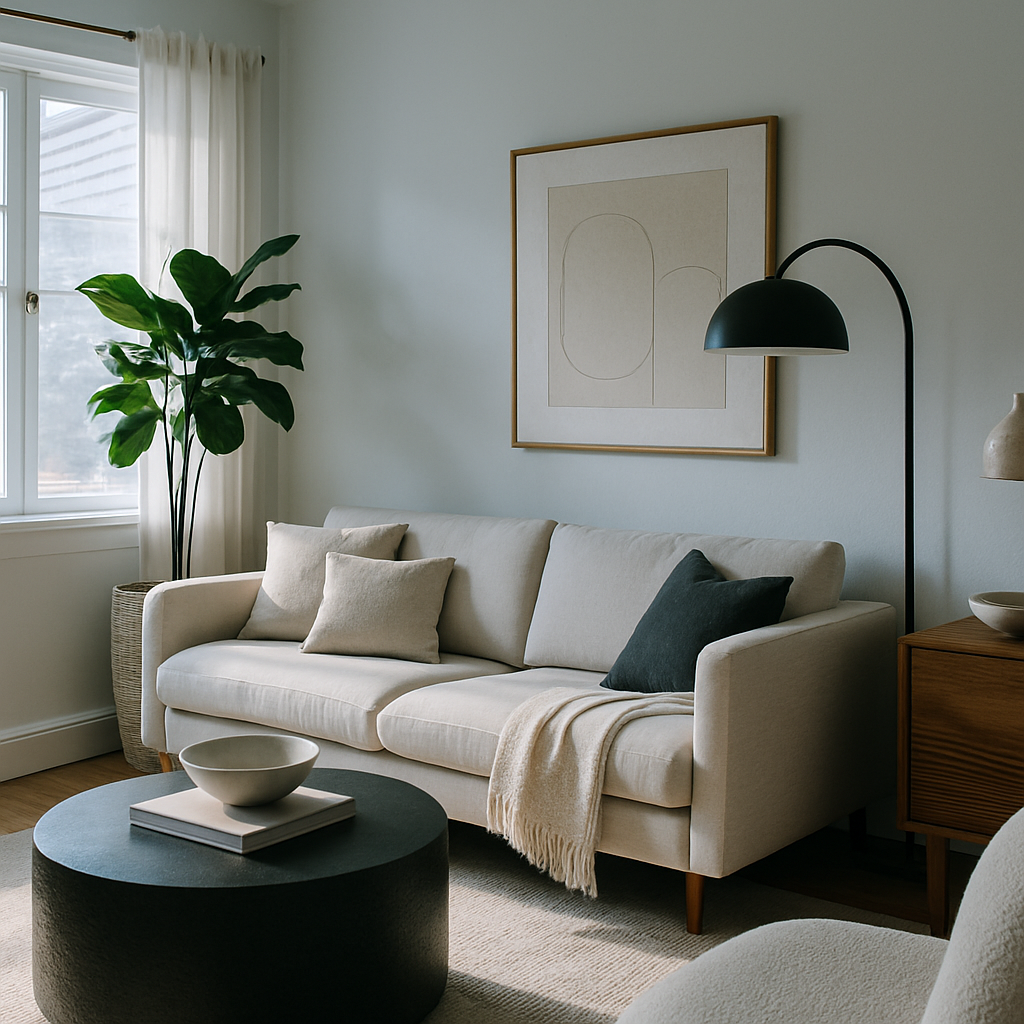
Are you tired of the same old look in your living space? As the new year unfolds, the world of interior design is buzzing with fresh ideas and innovations that promise to transform your home into a sanctuary of style and comfort. According to Houzz's latest survey, homeowners are more willing than ever to invest in quality design, with spending on home interiors increasing by 25% over the last few years. This article explores the top 10 must-have home interior design trends that are shaping 2024. From biophilic design to smart home integration, these trends offer something for every taste and budget.
Embracing Biophilic Design
Biophilic design, which emphasizes the use of natural materials and elements, is gaining momentum as a foundational concept in modern interiors. The idea is to create a seamless indoor-outdoor flow that connects occupants with nature. Experienced professionals often note that incorporating elements like living walls and natural light can drastically improve mental well-being. The American Society of Interior Designers (ASID) highlights that homes with biophilic elements often see a 5-15% increase in resale value, making it a smart choice for both aesthetics and investment.
Natural materials such as wood, stone, and bamboo are becoming staples in home interiors. These materials not only provide a warm and inviting atmosphere but are also sustainable and eco-friendly. The International Interior Design Association (IIDA) supports the use of reclaimed materials, which not only reduce environmental impact but also add a unique character to your space. Imagine a reclaimed wood coffee table serving as a conversation starter in your living room.
Incorporating plants is another key aspect of biophilic design. They not only purify the air but also add a splash of color and life to any room. Consider placing a few potted plants around your home, or even installing a vertical garden in your kitchen. As you plan your home design, think about how you can bring the outside in to create a more harmonious living environment. What natural elements could you introduce to your space?
Quiet Luxury and Understated Elegance
Quiet luxury is all about embracing subtlety and sophistication in your home. This trend focuses on quality over quantity, with an emphasis on timeless pieces and understated elegance. According to Architectural Digest, quiet luxury often involves neutral color palettes, high-quality fabrics, and minimalist design. This approach not only ensures a serene and clutter-free environment but also creates a sense of timelessness in your home.
Investing in quality over quantity means choosing pieces that will stand the test of time. For example, a well-crafted leather sofa or a hand-knotted rug can become the focal point of a room. These pieces not only provide comfort but also add a touch of elegance and refinement. ASID reports that investing in high-quality furnishings can yield better long-term satisfaction, as homeowners are less likely to replace these items frequently.
This trend also emphasizes the importance of personal expression through curated selections. It's about creating a space that reflects your personality and style without overwhelming the senses. How can you incorporate elements of quiet luxury into your home? Consider starting with small changes, such as swapping out bright, busy patterns for more muted tones or replacing mass-produced art with original pieces that have personal significance.
Smart Home Integration
Smart home integration is rapidly becoming a staple in modern interior design. From automated lighting to climate control, technology is seamlessly blending with home decor to enhance functionality and convenience. According to a recent study by Houzz, nearly 60% of homeowners are incorporating smart technology into their renovation projects. This trend is not just about gadgets; it's about creating a connected and efficient living space.
Smart lighting systems allow homeowners to control the ambiance of their rooms with a simple voice command or smartphone app. Imagine being able to dim the lights from the comfort of your couch or set the mood for a dinner party with a touch of a button. These systems offer both energy savings and convenience, making them a worthwhile investment.
Another aspect of smart home integration is climate control. Smart thermostats learn your schedule and adjust the temperature accordingly, ensuring optimal comfort while reducing energy costs. In addition, automated window treatments can provide both privacy and energy efficiency, adjusting based on the time of day or weather conditions. As you consider smart home upgrades, think about which aspects of your daily routine could be streamlined or enhanced with technology.
Sustainable and Reclaimed Materials
Sustainability continues to be a driving force in interior design, with an increasing number of homeowners prioritizing eco-friendly materials. Reclaimed and recycled materials are at the forefront of this movement, offering both aesthetic appeal and environmental benefits. According to IIDA, the use of sustainable materials is not just a trend but a necessity for future-proofing homes.
Reclaimed wood, for instance, adds a rustic charm to interiors while reducing demand for new lumber. This not only helps preserve forests but also gives your home a unique and storied appearance. Similarly, recycled glass and metal are being used in innovative ways to create beautiful and functional decor pieces. These materials are perfect for those looking to make environmentally conscious choices without compromising on style.
The choice of sustainable materials extends beyond the visual. Bamboo, for example, is a rapidly renewable resource that is being used for everything from flooring to furniture. Its durability and versatility make it an excellent choice for eco-friendly design. When planning your next home project, consider how you can incorporate sustainable materials. Is there an area of your home that could benefit from a sustainable makeover?
Japandi: A Fusion of Styles
Japandi is a design trend that combines the best of Japanese minimalism and Scandinavian functionality. This fusion creates a clean, calming, and functional space that emphasizes simplicity and natural beauty. It's about balancing the warm textures of Scandinavian design with the sleek lines of Japanese aesthetics. According to experts at NCIDQ (National Council for Interior Design Qualification), Japandi is particularly appealing for those who appreciate a minimalist yet inviting atmosphere.
The color palette in Japandi design is typically neutral, featuring shades like beige, grey, and soft pastels. The focus is on creating a peaceful environment with a few carefully selected pieces. For instance, a low-profile Japanese-style table paired with Scandinavian chairs can create a unique dining experience. The emphasis is on quality craftsmanship and functional design, ensuring that each piece serves a purpose.
Incorporating Japandi elements into your home can be as simple as decluttering and focusing on quality over quantity. It encourages a mindful approach to design, where every item has a place and purpose. As you evaluate your space, ask yourself what elements can be simplified or improved to create a more harmonious living area. How might Japandi influence your choices in furniture and decor?
Final Perspectives on Emerging Trends
The rapid evolution of interior design trends offers endless possibilities for personalizing your home. By embracing these must-have trends, you can create a living space that is both stylish and functional. Whether you're drawn to the natural elements of biophilic design or the sleek technology of smart home integration, there is something to suit every taste.
As you explore these trends, remember that the most important aspect of design is how it makes you feel in your own home. The right combination of elements can transform your living space into a sanctuary that reflects your personality and lifestyle. Are there trends that resonate particularly well with your vision for your home?
Ultimately, the key to successful interior design is to blend current trends with your own unique style. By doing so, you ensure that your home remains both contemporary and timeless, a true reflection of who you are. Consider how these trends might influence your next design project.
Conclusion: Taking Your Next Steps
Incorporating the latest home interior design trends can seem daunting, but it's an exciting opportunity to refresh and personalize your space. Whether you're planning a full-home renovation or simply updating a single room, these trends provide a solid foundation for creating a beautiful and functional home. As you embark on this journey, consider consulting with certified interior designers who hold credentials like NCIDQ or ASID to ensure professional guidance.
Now is the time to take the first step in transforming your living space. Start by browsing portfolios on platforms like Houzz or Pinterest this week - even 20 minutes of research will sharpen your eye for what you want. Remember, the best interiors are those that reflect your true self. So, what are you waiting for? Dive into these trends and create a home that's uniquely yours.



Comments
Post a Comment