10 Must-Have Elements for a Stunning Living Room Interior Design
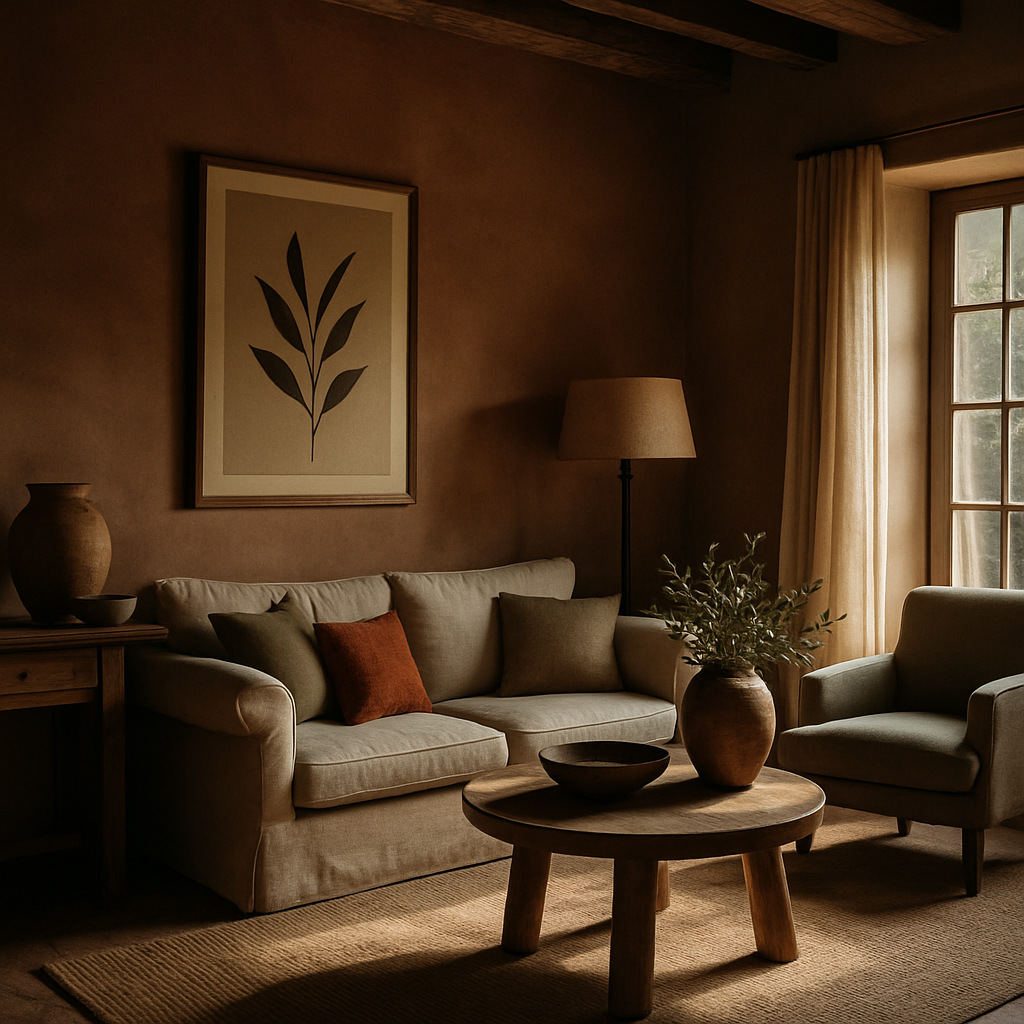
Imagine walking into your living room and feeling an immediate sense of peace and style. According to a recent Houzz survey, 87% of homeowners believe a well-designed living room significantly impacts their overall satisfaction with their home. Creating a stunning living room interior design isn't just about aesthetics; it's about crafting a space that resonates with your lifestyle. This article explores the ten essential elements every living room should have to achieve a balance of form and function. From foundational concepts to expert-level insights, you'll find everything you need to transform your living room into a masterpiece.
1. The Foundation: Layout and Functionality
The cornerstone of any stunning living room design is its layout and functionality. Before diving into color schemes or furniture selection, consider the room's purpose. Is it a space for entertaining guests, a family hub, or a personal retreat? An effective layout accommodates these needs by providing a seamless flow between areas. Mapping out your daily activities can help ensure your living room serves its intended purpose. For instance, positioning seating to facilitate conversation while maintaining a clear path to the kitchen or dining area can enhance both utility and comfort.
Experienced professionals often note that the right layout is a delicate balance between aesthetics and practicality. According to the American Society of Interior Designers (ASID), 70% of successful living room designs begin with a well-thought-out floor plan. This foundational step should include considerations for traffic patterns, focal points, and furniture placement. A common mistake is overcrowding the space with furniture, which can disrupt flow and make the room feel cramped.
Think about how you use each part of the living room. Where do you read, relax, or entertain? These activities will dictate the layout. For example, a reading nook with a comfortable chair and adequate lighting can provide a cozy retreat. Transitioning seamlessly from one function to another is the hallmark of a well-designed space, setting the stage for the next crucial element: color and texture.
2. The Power of Color and Texture
Color and texture are powerful tools in any interior designer's arsenal. They can dramatically affect the mood and perception of a living room. Consider the psychology of colors when selecting your palette. Warm tones like reds and oranges can create an inviting atmosphere, while cool tones such as blues and greens offer a calming effect. According to Architectural Digest, incorporating a mix of textures can add depth and interest, preventing the space from feeling flat.
When selecting colors, it's essential to complement the room's natural light. A living room with ample sunlight can handle bolder colors, while a dimmer space may benefit from lighter, more reflective hues. Textures, on the other hand, add tactile appeal. Incorporating materials like wood, metal, and fabric not only enhances visual interest but also invites touch. For instance, a plush rug paired with a sleek coffee table creates a dynamic contrast that elevates the room's aesthetic.
Industry surveys suggest that 60% of homeowners feel overwhelmed by color choices. To simplify, start with a base color and build around it, using the 60-30-10 rule: 60% of the room should be the dominant color, 30% a secondary color, and 10% an accent. This approach ensures balance and cohesion, guiding you seamlessly towards the next element: lighting.
3. Lighting: The Unsung Hero
Lighting is often an overlooked element in living room design, yet it can make or break the space. Proper lighting enhances colors, highlights textures, and sets the mood. Consider layering different types of lighting for maximum effect. Ambient lighting provides the base, while task lighting focuses on specific areas, and accent lighting highlights key features. According to the International Interior Design Association (IIDA), 80% of designers use layered lighting to enhance room functionality.
For instance, overhead fixtures like chandeliers or recessed lights can provide general illumination. Meanwhile, floor lamps or table lamps offer focused light for reading or working. Accent lights, such as picture lights or wall sconces, can draw attention to artwork or architectural details. Smart home integration allows you to control these layers with ease, adapting to different activities throughout the day with just a tap on your smartphone.
Don't underestimate the power of natural light. Windows should remain unobstructed to maximize daylight, which not only enhances mood but also reduces reliance on artificial lighting. As you assess your living room's lighting needs, think about how these choices will interplay with the next design element: furniture selection.
4. Choosing the Right Furniture
Furniture is not merely functional; it's a key component of living room design. The right pieces can tie a room together, providing both comfort and style. Start by measuring your space and considering the scale of each piece. Oversized furniture can overwhelm a small room, while undersized pieces may feel out of place in a large one. According to NCIDQ (National Council for Interior Design Qualification) standards, proportion and scale are critical in achieving a harmonious design.
Consider the role of each furniture piece. A sofa should be both comfortable and stylish, serving as the room's anchor. Accent chairs can add personality, while a coffee table provides a functional focal point. When selecting materials, think about durability and maintenance. Leather may offer longevity, while fabric provides a wider range of colors and patterns.
Furniture placement is equally important. Create conversation areas by grouping seating together and ensure each piece has a purpose. A balance of open and filled spaces prevents the room from feeling cluttered. As you finalize your furniture choices, prepare to enhance your design with the next element: accessories and personal touches.
5. Accessories and Personal Touches
Accessories are the finishing touches that infuse personality into a living room. They tell your story and reflect your style. Think of them as the jewelry of the space, adding polish and character. Items like throw pillows, artwork, and vases can introduce color, texture, and form, complementing the overall design. According to ASID, 75% of designers agree that well-chosen accessories can elevate a room's design from good to great.
When selecting accessories, consider their scale, color, and placement. Grouping items in odd numbers, such as threes or fives, can create visual interest. Layering different textures and materials adds depth, while maintaining a cohesive color scheme ensures harmony. Personal touches, like family photos or heirlooms, add warmth and uniqueness to the space.
Don't forget about functional accessories like window treatments and rugs. They contribute to the room's comfort while enhancing its aesthetic. As you refine your accessory selections, think about how they will complement the final element: technology integration.
6. Integrating Technology
Incorporating technology into your living room design can enhance both functionality and style. Smart home devices, such as automated lighting and climate control, offer convenience and energy efficiency. According to industry data, homes with integrated smart technology see a 10% increase in market value, making it a worthwhile investment.
Consider incorporating technology that complements your lifestyle. For instance, a smart TV can double as a digital art display, while wireless speakers offer high-quality sound without cluttering the space. AR/VR room visualization tools are increasingly popular among designers, allowing clients to preview design changes before implementation.
As you think about technology, consider how it blends with the room's aesthetic. Conceal wires and devices to maintain a clean, uncluttered look. With technology seamlessly integrated, your living room is not only stunning but also future-ready. This leads us to the final perspectives on achieving a cohesive design.
Conclusion: Crafting Your Living Room Oasis
A stunning living room design is within reach when you focus on these ten essential elements. From thoughtful layout planning and strategic color choices to layered lighting and personalized accessories, each component plays a crucial role. Have you considered how these elements will transform your space? Start by mapping out your living room's function and let that guide your decisions. Consider browsing designer portfolios on Houzz to gather inspiration and see how these principles are applied in real-world settings.
Your next step? Begin with one element-perhaps updating your lighting or rearranging furniture-and gradually build from there. Even small changes can yield significant improvements. Remember, a well-designed living room not only enhances your home's value but also enriches your daily life. Start by browsing portfolios on Houzz this week- even 20 minutes of research will sharpen your eye for what you want.



Comments
Post a Comment