10 Modern Interior Design Trends You Can't Afford to Ignore in 2023
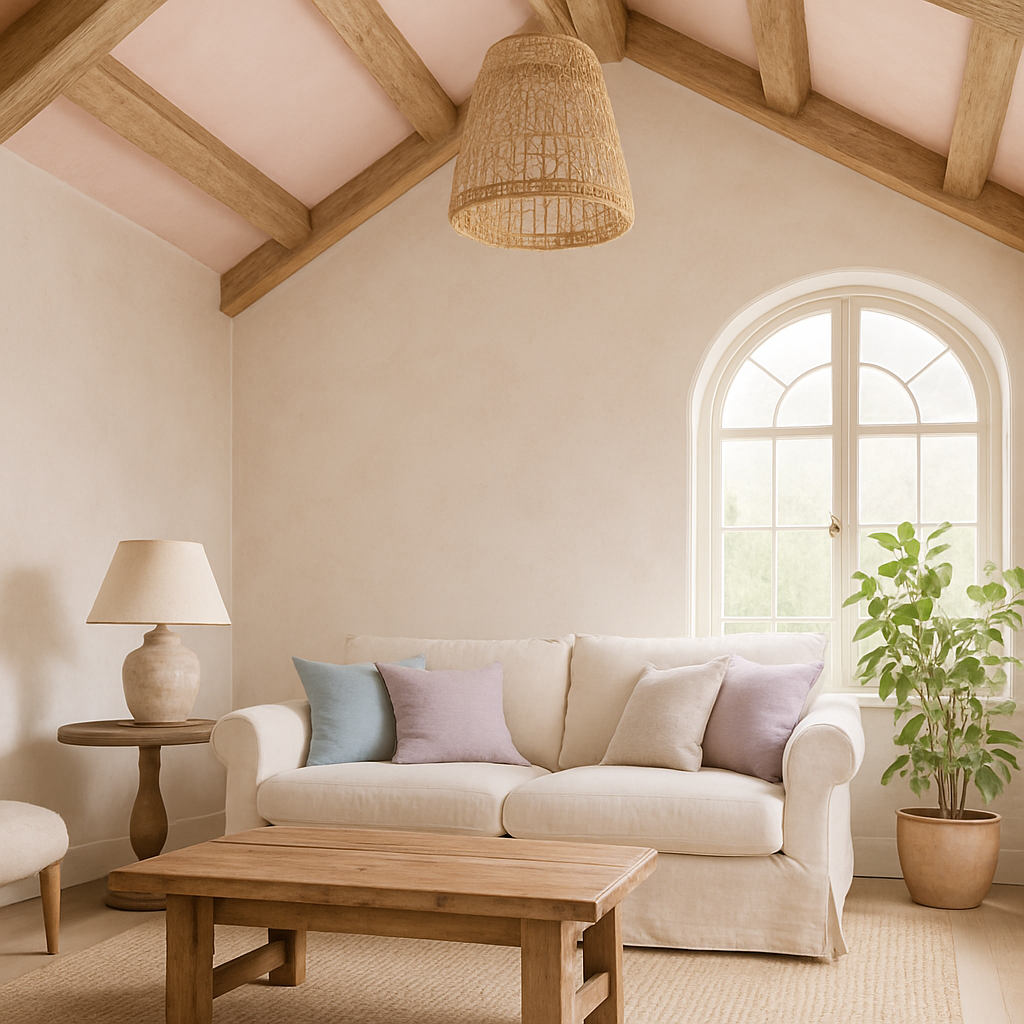
Are you ready to transform your living space with the latest in interior design? According to the American Society of Interior Designers (ASID), 2023 is set to be a year of bold innovations and refined aesthetics. From the resurgence of biophilic design to the seamless integration of smart technology, this year's trends are all about harmonizing functionality with beauty. This article will explore ten modern interior design trends that are making waves in 2023, providing you with the insights needed to revitalize your home. Whether you're planning a full-home overhaul or a simple room refresh, these trends offer something for everyone.
Foundational Concepts: The Rise of Biophilic Design
Biophilic design, which emphasizes the connection between humans and nature, is taking center stage in 2023. This trend is more than just a preference for houseplants; it involves integrating natural materials, like wood and stone, and fostering an indoor-outdoor flow. According to Houzz's annual survey, homeowners increasingly prioritize sustainability and natural aesthetics, with 67% expressing a preference for eco-friendly design solutions. This approach not only enhances the visual appeal of a home but also contributes to the well-being of its occupants by improving air quality and reducing stress.
Implementing biophilic design can be as simple as incorporating natural textures and colors into your decor. Consider using reclaimed wood for flooring or furniture, which adds both sustainability and character to a space. Living walls, or vertical gardens, are another popular feature that can be used to create a lush, green backdrop in any room. These elements are not only visually striking but also functional, as they help purify the air and regulate humidity levels.
For those who want to fully embrace biophilic design, creating an indoor-outdoor flow is crucial. This can be achieved by using large windows or glass doors that open up to a patio or garden, allowing natural light to flood the interior. The use of materials that reflect the surrounding landscape, such as stone or terracotta, can further blur the lines between indoor and outdoor spaces. As you consider these elements, ask yourself: How can you incorporate nature into your home, both visually and functionally?
Deeper Analysis: The Influence of Quiet Luxury
Quiet luxury, characterized by understated elegance and high-quality materials, is a trend that speaks to those who value sophistication over showiness. This design approach focuses on craftsmanship and subtlety, often utilizing a neutral color palette and classic forms. According to Architectural Digest's AD PRO network, quiet luxury is gaining traction as homeowners seek to create spaces that are both timeless and tranquil. This trend champions the "less is more" philosophy, where each piece is carefully selected for its beauty and utility.
One of the key elements of quiet luxury is the use of premium materials such as marble, cashmere, and high-grade leather. These materials not only add a sense of opulence but also contribute to the longevity of the design. For example, a well-crafted leather sofa can serve as a focal point in a living room for decades. In addition, the use of natural fibers and textures can help create a warm and inviting atmosphere without overwhelming the senses.
Another aspect of quiet luxury is the attention to detail in architectural elements. This might include custom-built cabinetry or bespoke lighting fixtures that add a unique character to a space. Experienced professionals often note that investing in quality over quantity pays off in the long run, as these elements can significantly enhance the resale value of a home. As you explore this trend, consider how the principle of "quiet luxury" can be applied to your own space: Are there areas where you might prioritize quality and craftsmanship over quantity?
Actionable Strategies: Integrating Smart Home Technology
In 2023, the integration of smart home technology is becoming an essential component of modern interior design. This trend is not just about convenience; it's about creating a seamless, efficient living environment. Smart home devices, such as automated lighting, climate control systems, and smart window treatments, are being incorporated into designs to enhance both functionality and energy efficiency. According to industry surveys, homes equipped with smart technology can see an increase in energy savings by up to 30%.
One actionable strategy is to start with the basics, such as smart lighting systems that allow you to adjust the ambiance with a simple command or app. These systems can be programmed to change based on the time of day, enhancing your home's aesthetic appeal while also being energy efficient. Similarly, smart thermostats can optimize heating and cooling schedules, ensuring comfort and reducing utility bills.
For a more comprehensive approach, consider integrating a centralized smart home hub that connects all your devices. This hub can streamline your daily routines, from setting morning alarms to controlling your home's security system. As you incorporate these technologies, think about your daily habits: How can smart home technology simplify and enhance your lifestyle?
Expert-Level Detail: Sustainable and Reclaimed Materials
Sustainability is not just a buzzword in 2023; it's a pivotal aspect of interior design. The use of sustainable and reclaimed materials is gaining momentum as designers and homeowners become more environmentally conscious. According to the International Interior Design Association (IIDA), using sustainable materials can reduce a project's carbon footprint by up to 40%. This trend involves selecting materials that are either recycled, responsibly sourced, or have a low environmental impact.
Reclaimed wood is a popular choice for those looking to incorporate sustainability into their design. It adds a rustic touch while also being eco-friendly. Other materials, such as bamboo, cork, and recycled glass, offer unique textures and can be used in a variety of applications, from flooring to countertops. These materials not only help preserve natural resources but also provide a distinctive aesthetic that sets your space apart.
In addition to materials, sustainable design often includes energy-efficient appliances and fixtures. Low-flow plumbing fixtures and LED lighting are examples of how sustainability can be integrated into everyday design choices. When planning your next project, consider the environmental impact: What sustainable materials and technologies can you incorporate to make your home both beautiful and eco-friendly?
Additional Depth: Japandi Style and Its Timeless Appeal
Japandi style, a fusion of Japanese minimalism and Scandinavian warmth, continues to captivate designers in 2023. This trend is characterized by simple, clean lines, a neutral color palette, and the use of natural materials. According to NCIDQ-certified designers, Japandi's appeal lies in its ability to create serene, clutter-free environments that emphasize functionality and beauty.
Key elements of Japandi include low-profile furniture, which enhances the sense of space and promotes an unobtrusive flow throughout the room. Natural wood finishes, often in light tones, are complemented by soft textiles such as linen and wool. This combination creates a calming atmosphere that encourages relaxation and mindfulness.
Additionally, Japandi incorporates elements of wabi-sabi, the Japanese aesthetic of finding beauty in imperfection. This might involve showcasing handcrafted items or allowing natural materials to age gracefully. As you explore Japandi style, think about your current decor: How can you simplify and add warmth to your space using this harmonious design approach?
Final Perspectives: The Future of Interior Design
As we look forward to the rest of 2023, these modern interior design trends highlight a shift towards spaces that are both functional and aesthetically pleasing. The integration of technology, sustainability, and timeless design principles are reshaping how we live and interact with our environments. The trends discussed not only offer innovative solutions but also encourage a more thoughtful and intentional approach to design.
Designers and homeowners alike are increasingly recognizing the value of investing in quality and sustainability. This shift is reflected in the growing popularity of trends like biophilic design and quiet luxury, which prioritize the well-being of both the individual and the planet. As these trends continue to evolve, they offer exciting opportunities to reimagine our living spaces.
As you consider incorporating these trends into your own home, reflect on your priorities: What elements are most important to you in creating a space that reflects your values and lifestyle?
Conclusion: Bringing 2023's Trends into Your Home
In summary, 2023's interior design trends offer a wealth of inspiration for creating spaces that are both modern and timeless. By embracing biophilic design, quiet luxury, smart home technology, and sustainable materials, you can craft a home that not only looks stunning but also enhances your quality of life. As you embark on your design journey, remember to prioritize elements that resonate with your personal style and values.
Ready to transform your space? Start by browsing designer portfolios on Houzz or Instagram this week. Even dedicating 20 minutes to research can sharpen your eye for what you want. With these insights and inspirations, you're well-equipped to make informed decisions that will bring your vision to life.


Comments
Post a Comment