10 Modern Interior Design Trends to Transform Your Home in 2024
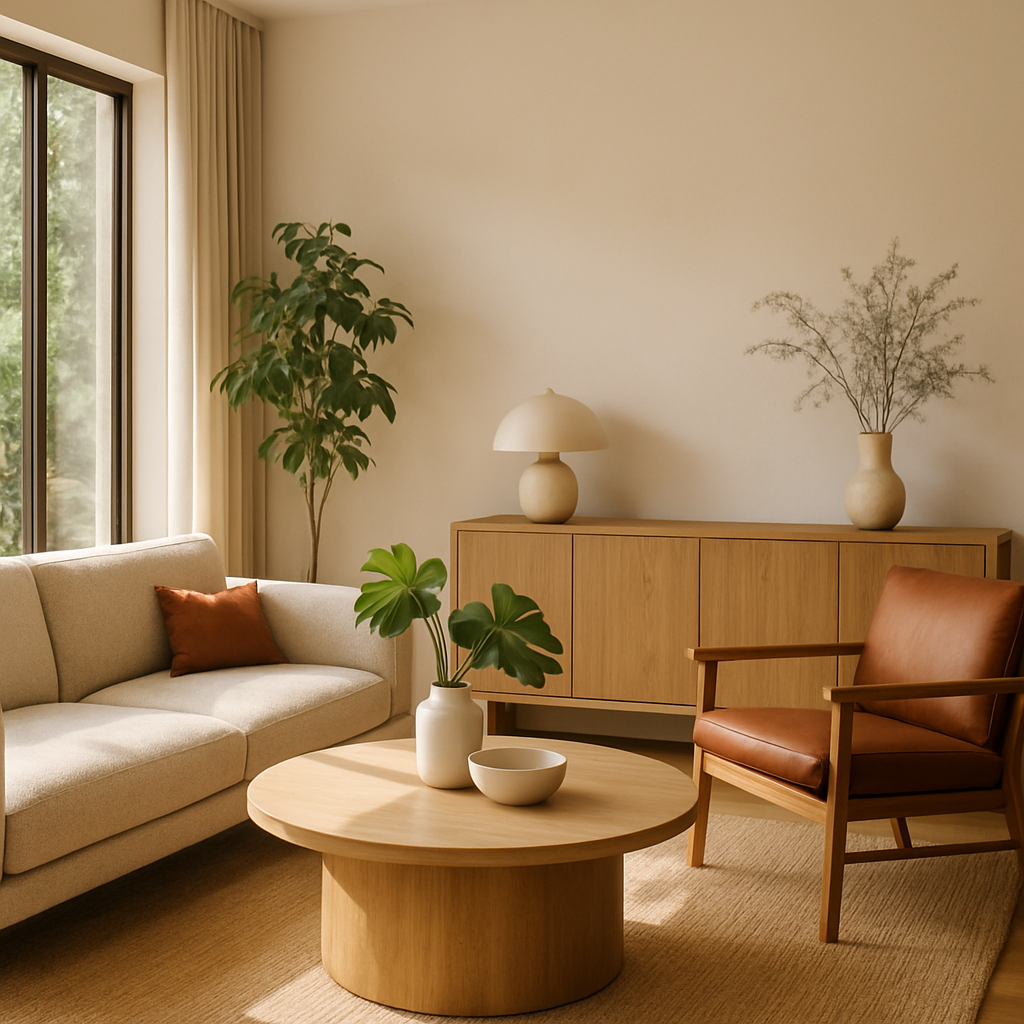
Did you know that well-designed interiors can boost your home's resale value by 5-15%? According to Houzz's annual survey, homeowners are increasingly investing in modern design trends that offer both functionality and aesthetic appeal. As we look to 2024, the emphasis is on creating spaces that not only reflect personal style but also incorporate cutting-edge innovations. In this article, we will explore ten modern interior design trends that are set to transform your home, ranging from biophilic design and quiet luxury to smart home integration and sustainable materials. Whether you're planning a single room makeover or a full home renovation, these insights will guide you in making informed design choices.
Foundational Concepts in Modern Design
Modern interior design is grounded in the principles of simplicity, functionality, and a connection to the natural world. At the core of this movement is the idea of minimalism, where every element serves a purpose and contributes to the overall harmony of the space. This approach is not just about reducing clutter, but about making thoughtful choices in materials and layout that enhance the usability of each room. For instance, open floor plans that allow for a seamless flow between living spaces are a staple in modern homes, as they enhance natural light and create a sense of spaciousness.
Another foundational concept is the use of natural materials. Biophilic design, which incorporates elements like wood, stone, and greenery, is gaining traction. This trend taps into our innate desire to connect with nature, promoting well-being and reducing stress. According to the American Society of Interior Designers (ASID), introducing natural elements into the home can improve air quality and increase productivity, making it a practical choice for home offices and living areas alike.
Modern design also emphasizes the importance of integrating technology. From smart lighting systems that adjust based on your routine to automated climate control, these innovations are designed to enhance comfort and efficiency. Experienced professionals often note that technology should be seamlessly incorporated, so it complements rather than overwhelms the aesthetic of the home. Are you considering how to incorporate these foundational concepts into your own space? Keep reading for a deeper dive into specific trends shaping modern interiors.
Deeper Analysis with Data-Driven Insights
Data from Houzz indicates that homeowners are increasingly prioritizing sustainability in their design choices. This is not just a fleeting trend but a fundamental shift in consumer preferences. In 2023, over 65% of renovation projects incorporated at least one sustainable feature, whether through the use of eco-friendly materials or energy-efficient appliances. This trend is expected to continue into 2024, with more homeowners opting for sustainably sourced wood and recycled materials.
The rise of smart home technology is another significant trend. According to research by the International Interior Design Association (IIDA), the smart home market is projected to grow by over 20% annually. Homeowners are investing in systems that allow them to control lighting, security, and climate with a touch of a button. This integration not only enhances convenience but also contributes to energy savings, with smart thermostats alone lowering energy bills by up to 10%.
On the aesthetic front, quiet luxury is making waves. This trend emphasizes understated elegance and high-quality materials that speak for themselves. Think of it as a departure from loud, ostentatious designs in favor of subtlety and sophistication. Interiors designed in this style often feature neutral palettes, plush textiles, and bespoke furniture pieces. It's about creating a space that exudes calm and refinement without shouting for attention. As we transition to actionable strategies, consider how these data-driven insights can inform your next design project.
Actionable Strategies for Adopting Modern Trends
Ready to incorporate these modern trends into your home? Start by evaluating your current space and identifying areas that could benefit from an update. This might involve decluttering and simplifying your decor to align with minimalist principles. It's essential to map out how you actually use each room - where you drop your keys, where the kids do homework, where you relax at the end of the day - to ensure that your design choices enhance functionality.
When it comes to biophilic design, consider adding plants or installing a living wall to bring the outdoors in. Not only do these elements improve air quality, but they also create a calming environment. Choose natural materials like wood or stone for flooring and furniture to further enhance this connection with nature. You might also explore ways to enhance natural light through strategic window placements or using lighter color palettes that reflect sunlight.
For those interested in smart home integration, start small with programmable lighting or smart speakers, then gradually expand to more comprehensive systems like automated window treatments. Platforms like Houzz offer an extensive range of examples and reviews to help you choose the right products. As you implement these strategies, remember that the goal is to create a cohesive space that reflects your personal style while embracing modern innovations. Next, we'll delve into expert tips to refine your design further.
Expert-Level Detail on Modern Design
Experienced interior designers often emphasize the importance of a holistic approach when transforming a space. This means considering how each element, from the color scheme to the furniture layout, contributes to the overall feel of the home. For example, Japandi design, a fusion of Japanese minimalism and Scandinavian warmth, has become a favorite among designers for its ability to create serene yet functional interiors. This style combines clean lines with cozy textures, offering a balanced and inviting atmosphere.
Incorporating technology into your design doesn't have to be overwhelming. The key is to integrate it in a way that complements your lifestyle. For instance, automated lighting and climate control systems can be programmed to adjust based on your daily routine, enhancing both comfort and energy efficiency. According to NCIDQ-certified designers (National Council for Interior Design Qualification), these systems should be easy to use and unobtrusive, blending seamlessly with the decor.
For those looking to make a bold statement, consider using AR/VR room visualization tools. These technologies allow you to experiment with different layouts and designs virtually before making any permanent changes. They provide a risk-free way to explore new ideas and ensure that every decision contributes positively to the space. As we move to additional depth on these trends, think about how expert insights can elevate your design process.
Additional Depth on Emerging Trends
Beyond the trends already discussed, 2024 is expected to see a rise in the use of color as a primary design element. While neutral tones remain popular, bold colors are being used to create focal points and add personality to spaces. Consider incorporating a statement wall or colorful furniture pieces to inject vibrancy into your home. These elements can be easily updated over time, allowing you to refresh your space without a complete overhaul.
Another trend gaining traction is the use of flexible furniture. As homes become multifunctional spaces, furniture that can adapt to different uses is highly valued. Think modular sofas or adjustable desks that can transform a living room into a home office in seconds. This versatility is especially important in urban settings where space is limited. Experienced professionals recommend investing in high-quality pieces that offer both durability and flexibility.
Finally, sustainable design practices continue to evolve, with a focus on longevity and lifecycle. This includes choosing materials that are not only eco-friendly but also durable and timeless. By investing in quality pieces that can withstand the test of time, homeowners contribute to a more sustainable future while enjoying a beautiful, functional home. As we wrap up with final perspectives, consider how these additional insights can inform your design journey.
Final Perspectives on Transformative Design
As we look to the future of interior design, it's clear that the emphasis is on creating spaces that are not only aesthetically pleasing but also functional and sustainable. The trends of 2024 reflect a broader shift towards mindful living, where design choices are made with intention and purpose. Whether it's through the integration of smart technology or the use of natural materials, the goal is to enhance the quality of life within the home.
As you embark on your own design projects, remember that the most successful interiors are those that reflect the personality and lifestyle of the inhabitants. It's about striking a balance between following trends and staying true to your own style. By incorporating the insights and strategies discussed here, you can create a space that is both modern and uniquely yours.
Conclusion
The transformative power of modern interior design lies in its ability to enhance both form and function. By embracing trends like biophilic design, smart home integration, and quiet luxury, you can create a home that not only looks stunning but also supports your daily life. As you consider these trends for 2024, think about how each one can be adapted to meet your specific needs and preferences.
Are you ready to take the next step in transforming your home? Start by exploring designer portfolios on platforms like Houzz and Instagram, where you can find inspiration and connect with professionals who can bring your vision to life. Even dedicating just 20 minutes a day to research can sharpen your eye for design and help you make informed decisions. Remember, the journey to a beautifully designed home begins with a single step - so why not start today?



Comments
Post a Comment