10 Modern Interior Design Trends That Will Transform Your Space in 2023
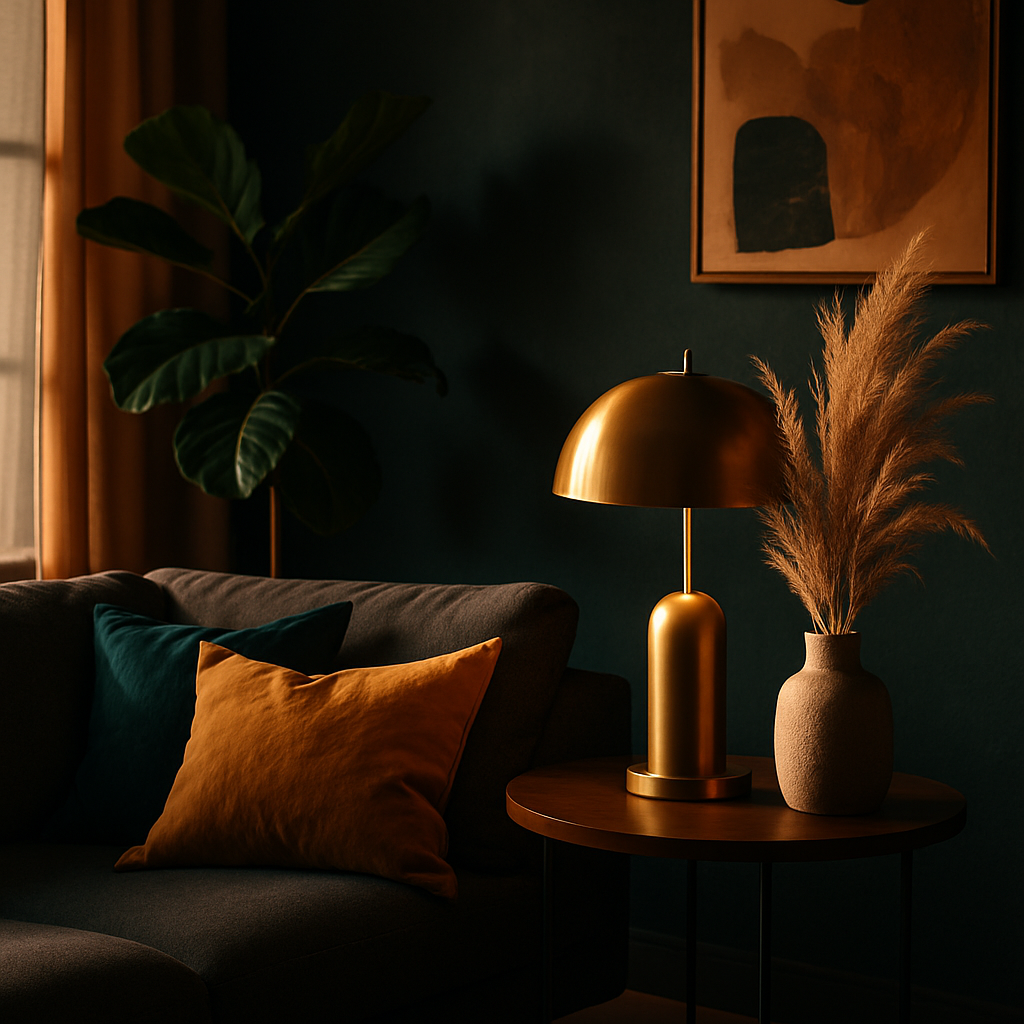
Have you ever walked into a room and felt immediately at home? That's the power of modern interior design. As we move into 2023, a survey by Houzz reveals that over 70% of homeowners are investing in redesigns to enhance both aesthetics and functionality. This year, the spotlight is on sustainability, technology, and understated elegance. In this article, we'll explore ten transformative interior design trends that promise to revolutionize your space. From the serene embrace of Japandi style to the sophisticated integration of smart home technology, these trends offer a blueprint for creating environments that are both beautiful and practical. Let's delve into the concepts and strategies that will define 2023's most inspiring interiors.
Understanding the Foundation: Japandi and Biophilic Design
Japandi design is making waves in 2023, combining Japanese minimalism with Scandinavian warmth. It's a style characterized by sleek lines, neutral colors, and natural materials. The result? A serene and harmonious atmosphere that promotes relaxation and mindfulness. The use of natural wood, soft textiles, and earthy tones creates spaces that feel both grounded and airy. The appeal of Japandi lies in its ability to transform cluttered spaces into calm retreats.
Another foundational trend gaining traction is biophilic design. This approach emphasizes the integration of nature into indoor spaces. Think living walls, abundant natural light, and organic materials like stone and bamboo. According to the International Interior Design Association (IIDA), biophilic design not only enhances aesthetic appeal but also improves mental well-being and productivity. As more people work from home, these benefits are increasingly valued.
Both Japandi and biophilic design underscore a shift towards simplicity and sustainability. They emphasize the use of eco-friendly materials and a connection to nature, responding to growing environmental concerns. As you consider redesigning your space, ask yourself: How can these principles be incorporated to foster a sense of peace and efficiency? In the following sections, we'll explore how these foundational concepts can be practically applied.
Delving Deeper: The Role of Technology and Sustainability
Technology is revolutionizing interior design, with smart home integration taking center stage in 2023. Automated lighting, climate control, and window treatments offer convenience and energy efficiency. According to a recent Architectural Digest report, homes with smart technology see a 5-15% increase in resale value. This trend not only enhances functionality but also aligns with the growing demand for eco-conscious living.
Sustainability remains a pivotal theme in modern design. The use of reclaimed materials and sustainable sourcing is becoming a standard practice. The American Society of Interior Designers (ASID) highlights that eco-friendly designs are not only responsible but also financially savvy. For instance, using reclaimed wood or recycled glass can cut costs while maintaining high design standards. Are you considering sustainable options for your next project?
Data from Houzz indicates that 58% of homeowners are prioritizing green materials in their remodels. This shift reflects a broader cultural move towards environmental stewardship. By incorporating sustainable practices, you not only contribute to environmental conservation but also create a healthier living environment. Let's examine some actionable strategies to embrace these trends in your home.
Actionable Strategies for Embracing Modern Trends
To effectively incorporate modern interior design trends, start with a clear vision. Identify which elements of Japandi and biophilic design resonate with you. Perhaps it's the calming influence of natural materials or the minimalist aesthetic. Define your priorities and set a realistic budget. For a single room, expect to spend between $5,000 and $15,000, while a full-home redesign might range from $50,000 to $150,000 or more.
Next, consider hiring a certified interior designer. Professionals with NCIDQ (National Council for Interior Design Qualification) certification ensure that your design is both functional and aesthetically pleasing. They can help navigate the procurement phase, leveraging their expertise to source sustainable materials and secure the best deals. This expertise can be especially valuable when integrating smart home technology.
Finally, utilize visualization tools like AR/VR to preview design changes. These tools, now widely used by designers, allow you to experiment with different layouts and materials before making a commitment. This can prevent costly mistakes and ensure that your final design aligns with your vision. As we move forward, we'll explore expert-level insights to further refine your approach.
Expert-Level Insights into Design Execution
Experienced professionals often note that the success of a design project lies in meticulous planning and execution. The design process typically unfolds in several phases: concept development, design presentation, procurement, installation, and styling. Each phase requires careful attention to detail and a strategic approach to problem-solving.
During the concept development phase, it's crucial to balance aesthetic desires with practical needs. This might involve consulting with local AIA (American Institute of Architects) chapters to ensure architectural compatibility. The design presentation phase is where your vision takes shape, often requiring multiple revisions to align expectations with reality.
The procurement phase can be a complex puzzle, requiring negotiation skills and industry connections. Many designers work with a markup on procurement, typically between 10-25% of furniture costs. This fee structure compensates for the designer's expertise in sourcing high-quality items that fit the project's budget and aesthetic. With these insights, you're better prepared to navigate the complexities of modern interior design. We'll now delve into additional details that can enhance your design process.
Additional Depth: Unveiling Subtle Elements of Design
Delving deeper into modern interior design, we uncover the subtle elements that can elevate a space from ordinary to extraordinary. Quiet luxury, for instance, emphasizes understated elegance through quality materials and refined craftsmanship. It's about creating a sophisticated environment without overt ostentation.
Incorporate sustainable and reclaimed materials to enhance authenticity. For example, using salvaged wood for flooring or beams can add character and warmth. Industry surveys suggest that such elements not only appeal to eco-conscious consumers but also provide a unique narrative to your home.
Lighting plays a pivotal role in modern design. Consider layered lighting techniques that combine ambient, task, and accent lighting to create dynamic spaces. Automated systems allow you to adjust lighting based on the time of day or activity, enhancing both visual appeal and energy efficiency. As we approach the conclusion, we'll consolidate these insights into a cohesive strategy for transforming your space.
Concluding Perspectives on Transformative Design
As we reflect on the modern interior design trends of 2023, it's clear that the focus is on creating spaces that are both visually stunning and functionally effective. By embracing trends such as Japandi and biophilic design, incorporating smart technology, and prioritizing sustainability, you can create a home that truly reflects your values and lifestyle.
Consider how these trends can be tailored to your personal tastes and needs. Whether you're drawn to the calming influence of natural materials or the convenience of smart home systems, there's no shortage of ways to transform your space. The key is to approach the project with a clear vision and an openness to expert guidance.
Conclusion: Your Next Steps in Interior Design
In conclusion, the modern interior design trends of 2023 offer exciting opportunities to transform your space into a reflection of both form and function. By prioritizing sustainability, technology, and serene aesthetics, you can create environments that are not only beautiful but also enhance your quality of life. Ready to start your design journey? Begin by browsing designer portfolios on platforms like Houzz and Instagram. Even 20 minutes of research can sharpen your eye for what resonates with you. As you gather inspiration, consider reaching out to a certified interior designer to bring your vision to life.


Comments
Post a Comment