10 Luxurious Interior Design Trends to Transform Your Home in 2024
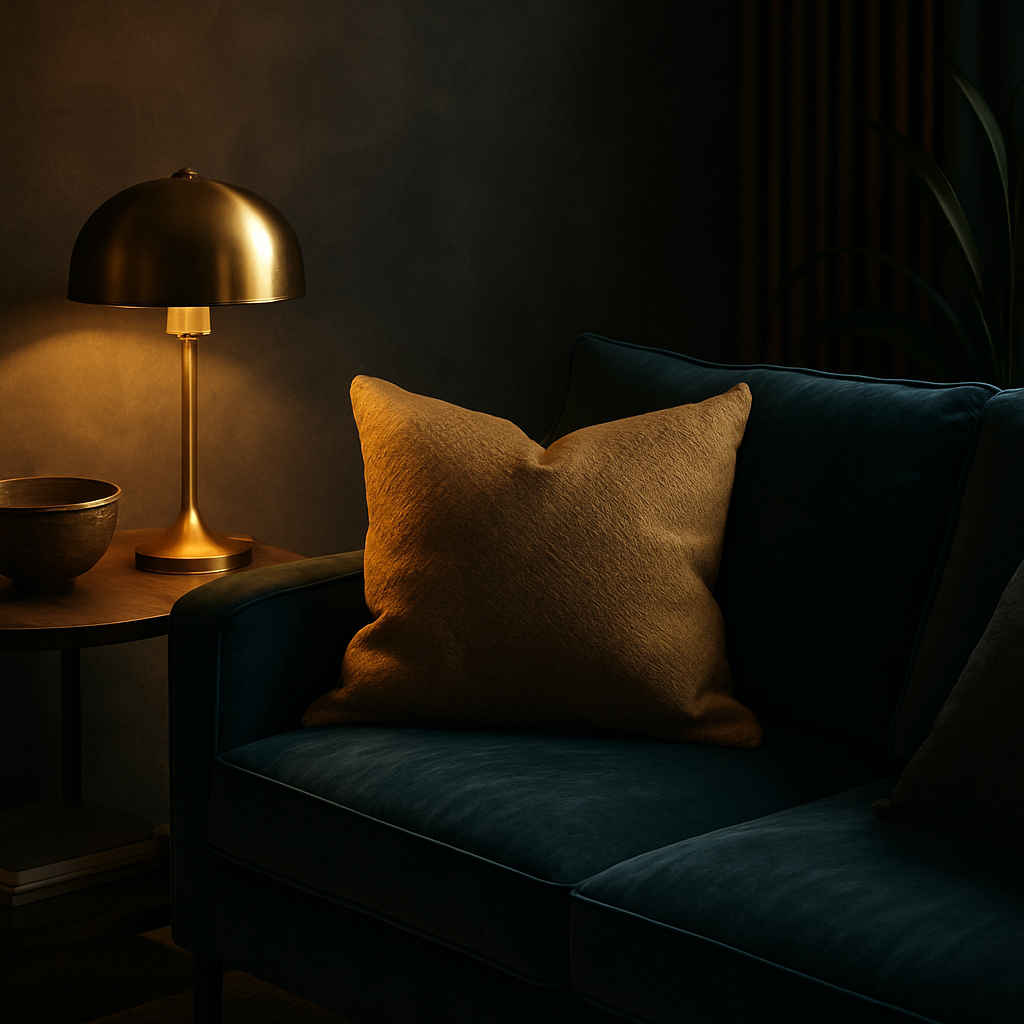
Have you ever walked into a space and immediately felt enveloped by elegance and sophistication? As we approach 2024, interior design is embracing trends that not only enhance aesthetic appeal but also elevate the functionality of our living spaces. According to a recent survey by the American Society of Interior Designers (ASID), well-executed design can increase a home's resale value by up to 15%. This statistic alone highlights the impact that thoughtful design can have. In this article, we will explore the top 10 luxurious interior design trends poised to transform your home in 2024, ranging from biophilic design to smart home technology and sustainable materials.
Biophilic Design: Bringing Nature Indoors
Biophilic design continues to gain momentum as homeowners seek to create sanctuaries that connect them with nature. This trend involves incorporating natural elements like wood, stone, and plants into interior spaces, enhancing both aesthetic and psychological well-being. According to Houzz, homeowners are increasingly investing in living walls and indoor gardens to bring a touch of nature indoors. This approach not only improves air quality but also promotes a sense of tranquility.
Experienced professionals often note that biophilic design isn't just about adding plants-it's about creating an environment that mimics the natural world. For instance, using materials with natural textures and colors can significantly impact mood and productivity. Why not consider using reclaimed wood for your flooring or opting for stone countertops in your kitchen? These choices not only adhere to the principles of biophilic design but also contribute to sustainable living.
The benefits of biophilic design extend beyond aesthetics. Studies have shown that spaces incorporating natural elements can reduce stress and enhance cognitive function. By prioritizing these design elements, you can transform your home into a peaceful retreat. As we delve into 2024, incorporating biophilic design can serve as the foundation for creating a luxurious yet calming living environment.
Understated Elegance: The Rise of Quiet Luxury
Quiet luxury is all about subtle sophistication and understated elegance. This trend focuses on quality over quantity, encouraging the use of high-end materials and craftsmanship. According to Architectural Digest's AD PRO network, there is a growing preference for minimalist designs that emphasize clean lines and neutral color palettes, evoking a sense of serene luxury.
One of the key aspects of quiet luxury is the use of timeless materials such as marble, cashmere, and fine wood. These elements not only add a touch of elegance but also ensure longevity and durability. Consider investing in a statement piece, like a designer sofa or a handcrafted dining table, which can serve as the focal point of your room. Would your living space benefit from a luxurious yet minimalist aesthetic?
The appeal of quiet luxury lies in its ability to create spaces that feel both personal and exclusive. By focusing on quality materials and meticulous craftsmanship, you can achieve an elegant home that stands the test of time. In the next section, we'll explore the role of technology in enhancing luxurious interiors, particularly through smart home integration.
Smart Home Integration: The Future of Luxury Living
As technology evolves, smart home integration has become a cornerstone of luxurious interior design. Homeowners are increasingly adopting smart systems that seamlessly control lighting, climate, and security. The International Interior Design Association (IIDA) reports that smart technology not only adds convenience but also enhances energy efficiency, making it a popular choice for modern interiors.
Imagine walking into your home after a long day, and with a simple voice command, your environment adjusts to your preferred settings. This is the promise of smart home technology. From automated window treatments to smart lighting systems, these innovations provide both comfort and efficiency. Have you considered how integrating technology could simplify your daily routine while elevating your home's luxury factor?
The integration of smart home devices requires careful planning and execution. Professionals recommend starting small-perhaps with smart lighting or a programmable thermostat-and gradually expanding as you become more comfortable with the technology. This approach ensures that your home remains both functional and cutting-edge. Our next section delves into the role of sustainability and how it intersects with luxury design.
Sustainability Meets Luxury: Eco-Friendly Design Choices
In 2024, sustainability continues to be a driving force in interior design. The demand for eco-friendly materials and practices is higher than ever, as homeowners become more conscious of their environmental impact. The National Council for Interior Design Qualification (NCIDQ) emphasizes that sustainable design not only benefits the planet but also enhances the health and well-being of inhabitants.
Choosing sustainable materials doesn't mean compromising on luxury. Reclaimed wood, recycled metal, and organic fabrics can be seamlessly incorporated into high-end designs. For instance, consider using recycled glass tiles for a stunning kitchen backsplash or opting for eco-friendly paints that minimize harmful emissions. How can you incorporate sustainable choices into your own design projects?
The intersection of sustainability and luxury is an exciting space for innovation. By prioritizing eco-friendly materials and practices, you can create a home that is both stylish and responsible. This trend not only aligns with global efforts to reduce environmental impact but also provides a unique opportunity to redefine luxury through a sustainable lens. Our next section will explore the fusion of two popular design philosophies: Japandi.
Japandi: The Harmony of Minimalism and Warmth
Japandi, a blend of Japanese minimalism and Scandinavian warmth, is set to be a major trend in 2024. This design philosophy emphasizes simplicity, functionality, and a connection to nature. According to the AIA's local chapters, Japandi is characterized by clean lines, natural materials, and a neutral color palette that creates a calming and inviting environment.
The beauty of Japandi lies in its ability to create harmonious spaces that feel both modern and timeless. By combining the sleekness of Japanese design with the coziness of Scandinavian aesthetics, homeowners can achieve a balanced and serene interior. Consider incorporating elements like tatami mats, low-profile furniture, and warm textiles to bring a touch of Japandi into your home.
Japandi's appeal extends beyond aesthetics; it embodies a lifestyle that values simplicity and mindfulness. This trend encourages decluttering and focusing on essential items that bring joy and functionality. As you explore this design philosophy, ask yourself: how can Japandi principles enhance the serenity and functionality of your living spaces? In our final section, we'll discuss how to bring all these trends together for a cohesive design.
Creating a Cohesive Design: Bringing It All Together
With so many luxurious interior design trends emerging in 2024, creating a cohesive design can seem daunting. However, by carefully selecting and blending elements from each trend, you can achieve a harmonious and stylish space. The key is to prioritize functionality and personal taste while incorporating elements that reflect your lifestyle and values.
Start by identifying the trends that resonate most with you. Whether it's the natural elements of biophilic design or the sleekness of Japandi, choose features that enhance your home's existing architecture and layout. Consider working with a certified interior designer-holding credentials like NCIDQ, ASID, or IIDA-to guide you through the process and ensure a polished result.
Remember, the ultimate goal of luxury interior design is to create a home that feels both beautiful and personal. By thoughtfully integrating these trends, you can transform your living space into a luxurious sanctuary that meets your needs and reflects your unique style. As you embark on this design journey, consider how each trend can contribute to your home's overall aesthetic and functionality.
Conclusion: Embrace the Future of Luxurious Living
As you explore the top 10 luxurious interior design trends for 2024, remember that the essence of luxury lies in the details. From biophilic design to smart home integration, each trend offers unique opportunities to enhance your home's aesthetic and functionality. By embracing these strategies, you can create a living space that is both stylish and reflective of your personal values.
Are you ready to transform your home with these luxurious trends? Start by browsing portfolios on platforms like Houzz or consulting with local AIA chapters to find inspiration and guidance. Even a brief, focused research session can sharpen your eye for what you want. Take the first step towards your dream home today-your future living space awaits!



Comments
Post a Comment