10 Interior Designer Tips for Transforming Small Spaces into Cozy Havens
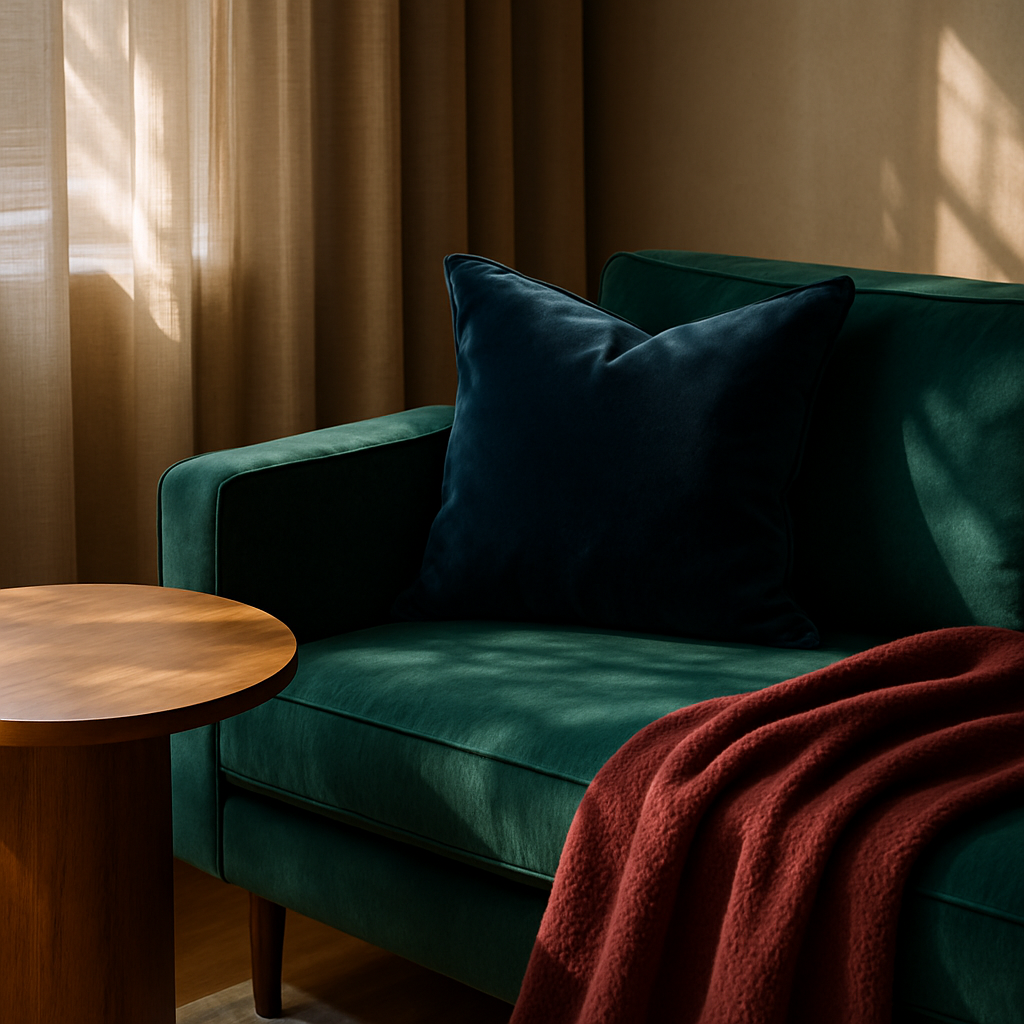
Have you ever felt like your small living space is closing in on you, making it difficult to create a cozy haven? You're not alone. According to a recent survey by Houzz, nearly 60% of homeowners renovating small spaces cite maximizing comfort as a top priority. With expert guidance, even the tightest quarters can be transformed into inviting retreats. In this article, we delve into ten interior designer tips that will help you maximize every square inch, from foundational concepts to cutting-edge strategies. We'll explore how thoughtful design choices can turn limitations into opportunities for creativity and comfort.
Understanding the Foundation of Small Space Design
The foundation of any successful small space design lies in understanding the purpose and functionality of each area. Before you start rearranging furniture or picking out new decor, take a moment to analyze how you use your space daily. Map out where you drop your keys, where you prefer to read, and where you unwind at the end of the day. This thoughtful approach ensures that every design decision supports your lifestyle, rather than just filling space.
Experienced professionals often note that in small spaces, less truly is more. By embracing minimalism, you not only reduce clutter but also enhance the room's ambiance. Opt for multi-functional furniture pieces, such as ottomans with storage or wall-mounted desks, to maintain a sense of openness. This strategy not only saves space but also adds convenience, making your small area feel larger and more efficient.
Lighting plays a crucial role in small space design. Industry surveys suggest that incorporating multiple light sources at different levels can dramatically alter a room's perception. Layered lighting, which includes ambient, task, and accent lights, creates depth and dimension, giving the illusion of a more expansive area. As you consider your lighting options, think about how they can enhance both the functionality and the aesthetic of the space.
Analyzing Space with Data-Driven Insights
When designing small spaces, data-driven insights can be invaluable. Research conducted by the American Society of Interior Designers (ASID) highlights that color and texture significantly impact how we perceive space. Light colors tend to make rooms feel larger, while darker shades can create a more intimate atmosphere. Consider which effect you desire in your space and choose your color palette accordingly.
According to Houzz's annual survey, incorporating mirrors can increase the perceived size of a space by up to 25%. Strategically placing mirrors opposite windows or light sources can reflect light and create an illusion of depth. This technique is particularly effective in compact living areas and narrow hallways, where expanding visual lines can make a noticeable difference.
Data from Architectural Digest's AD PRO network indicates that vertical storage solutions are among the most effective ways to maximize space. By utilizing the full height of your walls with shelving, cabinets, or pegboards, you can keep floor areas clear, enhancing both functionality and aesthetics. Vertical storage not only optimizes space but also provides an opportunity to display personal items, adding character to your home.
Actionable Strategies for Cozy Transformation
Ready to transform your small space into a cozy haven? Start by creating zones within your room. Even in the smallest areas, defining specific zones for different activities, like lounging, working, or dining, can enhance usability. Consider using rugs, furniture arrangement, or even subtle paint changes to delineate these zones without physical barriers.
Incorporating biophilic design elements, such as natural materials and indoor plants, can create a soothing environment. The International Interior Design Association (IIDA) suggests that even a single plant can lower stress levels and improve air quality. Select plants that are easy to maintain and suitable for your light conditions to ensure they thrive and contribute to a calming atmosphere.
Technology is another powerful tool in transforming small spaces. Smart home integration, including automated lighting and climate control, can streamline your living experience. Imagine adjusting your room's ambiance with a simple voice command. These systems not only enhance comfort but also offer a sleek, modern aesthetic that aligns with the principles of efficient design.
Expert-Level Details for the Discerning Designer
For those seeking a more sophisticated touch, consider the trend of quiet luxury. This design philosophy emphasizes understated elegance through high-quality materials and craftsmanship. By investing in a few key pieces, such as a handcrafted coffee table or a bespoke armchair, you can elevate your space without overwhelming it.
The concept of Japandi, a fusion of Japanese minimalism and Scandinavian warmth, is gaining popularity for small space design. This style focuses on natural elements, simplicity, and functionality, making it perfect for compact areas. Embrace clean lines, neutral tones, and organic textures to create a serene and inviting environment.
For those looking to visualize potential changes, consider using AR/VR room visualization tools. These technologies allow you to experiment with different layouts and designs before making any physical changes. Platforms like Houzz offer virtual tools that help you see how different furniture and decor will look in your space, saving time and resources.
Going Deeper with Additional Insights
To truly maximize your small space, think about incorporating sustainable and reclaimed materials into your design. These options are not only environmentally friendly but also add unique character. Reclaimed wood, for example, can be used for flooring or accent walls, providing a rustic charm that complements modern design elements.
One of the most overlooked aspects of small space design is the importance of personal touches. While functionality is crucial, your space should also reflect your personality and style. Consider incorporating artwork, textiles, or heirlooms that resonate with you. These elements can create a sense of warmth and belonging, enhancing the overall coziness of the space.
Finally, don't shy away from seeking professional help. Certified interior designers with credentials like the NCIDQ (National Council for Interior Design Qualification) can offer expert advice tailored to your specific needs. Whether it's a single consultation or a full design service, their insights can be invaluable in achieving the perfect balance of form and function.
Final Perspectives on Small Space Transformation
Transforming a small space into a cozy haven is both an art and a science. It requires a careful balance of aesthetics and practicality, paired with a deep understanding of your personal needs and preferences. By approaching the project with an open mind and a willingness to experiment, you can uncover the full potential of your space.
As you embark on this journey, remember that even the smallest changes can have a significant impact. Whether it's rearranging furniture, adding a new light fixture, or incorporating a statement piece, each decision contributes to the overall ambiance. Are you ready to take the first step toward creating a space that truly feels like home?
Conclusion and Call to Action
In conclusion, transforming small spaces into cozy havens is entirely achievable with the right strategies and mindset. By incorporating expert tips, such as maximizing vertical storage, embracing biophilic design, and utilizing smart home technology, you can create a functional and inviting environment. Remember, it's about making the most of what you have, rather than focusing on limitations.
Now is the perfect time to start your transformation. Begin by exploring designer portfolios on platforms like Houzz or consulting with a certified interior designer to get personalized advice. Even dedicating just 20 minutes a week to research and planning can set you on the path to creating a space that feels uniquely yours. What will you discover about your space this week?



Comments
Post a Comment