10 Inspiring Home Interior Design Trends to Elevate Your Space in 2023
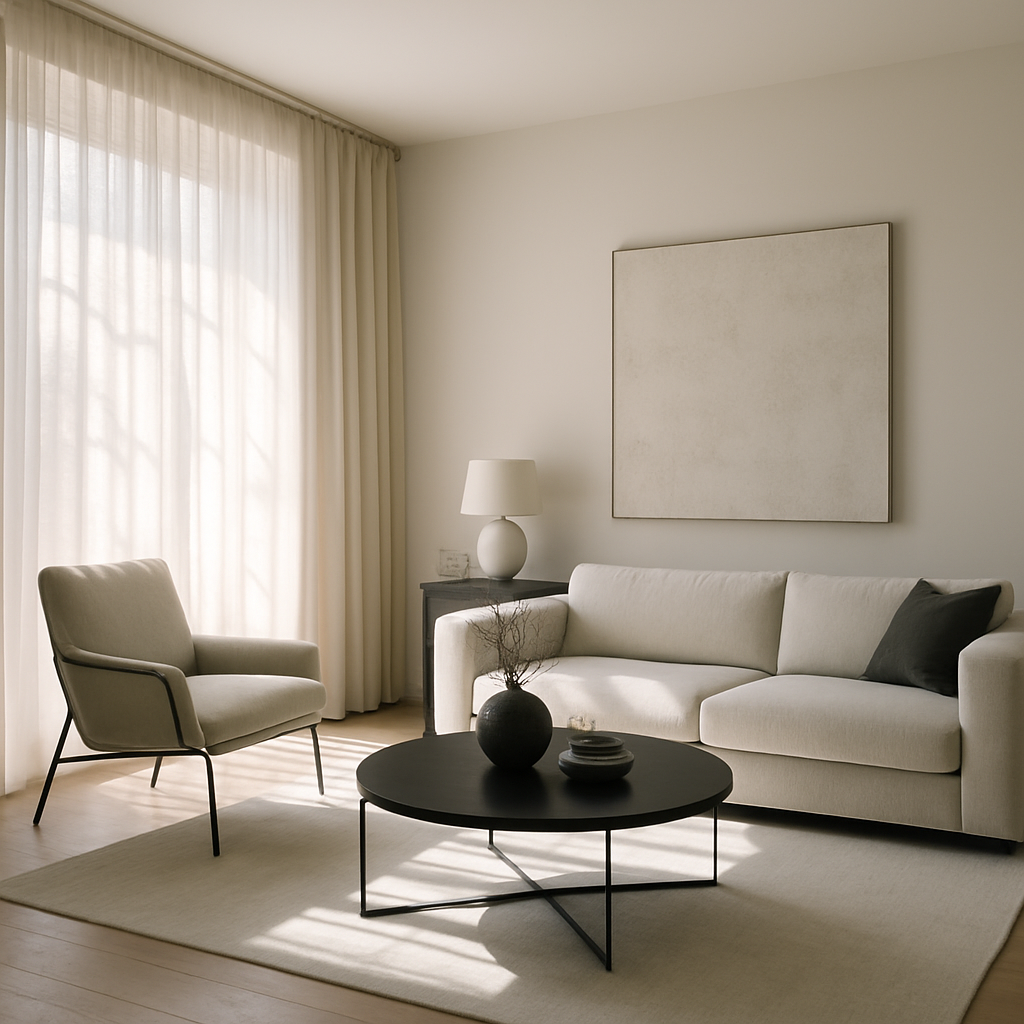
Have you ever walked into a room and felt an inexplicable sense of harmony and elegance? That transformative power is precisely what the latest home interior design trends aim to capture. As we explore current design innovations, these trends promise not only to enhance aesthetics but also to optimize functionality. In this article, we will delve into 10 inspiring home interior design trends that can elevate your space, offering both timeless elegance and modern practicality. From the soothing embrace of biophilic design to the sleek integration of smart home technology, these trends offer something for every taste and preference.
Foundational Concepts in Modern Interior Design
Understanding the foundational concepts of modern interior design is crucial for anyone looking to revamp their living space. One of the most significant trends is the move towards biophilic design, which emphasizes the use of natural materials and the incorporation of nature into the home. This trend not only enhances aesthetic appeal but also improves mental well-being, with industry surveys suggesting that exposure to natural elements can reduce stress levels by up to 30%. Imagine a living room adorned with lush indoor plants and natural wooden furnishings, creating a serene retreat within your home.
Another foundational concept is the embrace of quiet luxury. This trend focuses on understated elegance, favoring quality over ostentation. Experienced professionals often note that quiet luxury is about choosing pieces that offer timeless appeal and lasting value. For instance, opting for a high-quality sofa in a neutral tone can serve as a versatile centerpiece, allowing you to experiment with bolder accents elsewhere in the room. This approach ensures that your design remains sophisticated yet adaptable to changing trends.
Japandi, a fusion of Japanese minimalism and Scandinavian warmth, is rapidly gaining traction in the design world. This trend champions simplicity and functionality, with a focus on clean lines and muted color palettes. By integrating Japandi elements, you can create spaces that feel both calming and inviting. Consider a dining area with sleek, wooden furniture paired with soft, textured fabrics to achieve this harmonious balance. The transition from foundational concepts to practical applications is where the true magic of design happens.
Analyzing the Impact of Design Trends with Data
Understanding the impact of design trends on home value and homeowner satisfaction is essential. According to a survey by Houzz, homeowners who invest in well-designed interiors report a 5-15% increase in resale value. This statistic underscores the financial wisdom of adopting popular design trends. For example, integrating smart home technology not only enhances everyday convenience but also boosts your property's market appeal. Imagine automated lighting and climate control systems that adjust to your preferences with minimal input - the perfect blend of luxury and utility.
The American Society of Interior Designers (ASID) highlights the increasing demand for sustainable and reclaimed materials. This trend aligns with a broader societal shift towards environmental consciousness, with many consumers willing to pay a premium for eco-friendly products. From reclaimed wood flooring to recycled glass countertops, sustainable design choices offer both aesthetic and ethical benefits. This trend not only helps reduce environmental impact but also creates unique, character-filled spaces.
Another data-driven trend is the popularity of AR/VR technology in interior design. This innovation allows homeowners to visualize room layouts and design changes before any physical alterations are made. According to ASID research, more than 40% of interior designers are now using these tools to create detailed, immersive presentations for their clients. By leveraging this technology, you can experiment with different layouts and color schemes to find the perfect fit for your home. As we move from analysis to actionable strategies, consider how these data-backed insights can inform your design decisions.
Actionable Strategies for Implementing Design Trends
Implementing design trends effectively requires strategic planning and execution. Start by identifying which trends resonate most with your personal style and the needs of your home. Are you drawn to the natural tranquility of biophilic design, or does the sleek innovation of smart technology appeal to you more? Once you've identified your preferences, map out how these elements can be integrated into your space. For instance, in a small urban apartment, maximizing natural light and adding green elements can create a more open and airy atmosphere.
Budgeting is a critical step in the implementation process. According to the International Interior Design Association (IIDA), the average cost for a single-room redesign ranges from $5,000 to $15,000. For a full-home project, costs can range from $50,000 to $150,000 or more. Understanding these figures helps set realistic expectations and prioritize expenditures. Consider starting with one room at a time, allowing you to focus resources and achieve a cohesive look without overwhelming your budget.
When it comes to selecting materials and furnishings, prioritize quality and sustainability. Opt for furniture crafted from durable, natural materials, and seek out local artisans or eco-friendly brands. This approach not only supports sustainable practices but also adds unique character to your home. As you move forward, remember that the key to successful design is balance - blending new trends with timeless pieces to create a space that feels both fresh and enduring. Transitioning from strategy to expert insights can further refine your approach.
Expert Insights: Navigating the Design Process
Experienced interior designers emphasize the importance of planning and collaboration in successful design projects. Engaging with certified professionals, such as those holding NCIDQ (National Council for Interior Design Qualification) credentials, can provide invaluable guidance. These experts bring a wealth of knowledge and creativity to the table, helping you navigate complex decisions and avoid common pitfalls. They can also assist in securing high-quality materials and negotiating with contractors, ensuring your project runs smoothly from start to finish.
Another expert tip is to make use of mood boards and design software. Platforms like Houzz and Pinterest offer endless inspiration and practical tools for organizing your ideas. By creating a visual representation of your desired aesthetic, you can communicate more effectively with your designer and ensure everyone is aligned with your vision. This step is particularly useful when working with a team, as it provides a clear reference point that can be revisited throughout the project.
Finally, remember that interior design is a personal journey. While trends can guide and inspire, your home should ultimately reflect your personality and lifestyle. Experienced professionals often note that the most successful designs are those that tell a story unique to the homeowner. As we delve into additional depth, consider how expert insights can elevate your design process and result in a space that truly feels like home.
Exploring Additional Depth in Design Trends
As you explore the latest interior design trends, it's essential to consider how these ideas can be tailored to your specific environment. For instance, the trend of integrating indoor-outdoor flow can be particularly impactful in homes with access to a garden or balcony. By using consistent flooring and color schemes, you can create a seamless transition between indoor and outdoor spaces, enhancing both the aesthetic and functional appeal of your home.
The rise of textured walls and statement ceilings is another trend worth exploring. These elements add depth and interest to a room without relying on excessive décor. Consider using bold wallpaper or intricate molding to draw the eye upward and create a sense of grandeur. This approach is especially effective in spaces with high ceilings, where vertical elements can emphasize architectural features and create a more dynamic environment.
Finally, consider the role of lighting in your design. Smart lighting solutions not only offer convenience but also play a crucial role in setting the mood and highlighting architectural details. From dimmable LED fixtures to automated window treatments, the right lighting can transform a space from ordinary to extraordinary. As we conclude, think about how these additional details can enhance your overall design strategy and create a truly inspiring home environment.
Final Perspectives on Elevating Your Home
The journey to transforming your home with the latest design trends is both exciting and rewarding. By embracing trends like biophilic design, quiet luxury, and sustainable materials, you can create spaces that are not only beautiful but also meaningful and environmentally conscious. Each decision you make, from color palettes to furniture choices, contributes to the story your home tells.
Remember, the key to a successful design project is balance. Trends should serve as inspiration, not dictation. It's crucial to blend them with elements that reflect your personal style and preferences. Whether you're working with a professional designer or embarking on a DIY project, the goal is to create an environment that resonates with you and enhances your daily life.
As you embark on this design journey, consider how each trend can be adapted to suit your unique space and needs. With careful planning, strategic investment, and a touch of creativity, you can elevate your home to new heights of style and comfort.
Conclusion
In summary, the world of interior design offers countless opportunities to elevate your home with current trends. By integrating concepts like biophilic design, smart technology, and sustainable materials, you can create a space that is both contemporary and enduring. The key is to approach each project with a clear vision and thoughtful planning, ensuring every design choice aligns with your aesthetic and functional goals.
Ready to start your design transformation? Begin by exploring platforms like Houzz and Pinterest for inspiration and expert advice. Spend time browsing designer portfolios and experimenting with AR/VR tools to visualize potential changes. Even dedicating just 20 minutes a week to research can refine your eye for design and guide your project to success. Your dream space is within reach, and these trends provide the perfect roadmap to achieving it.



Comments
Post a Comment