10 Innovative Residential Interior Design Trends You Can't Miss in 2024
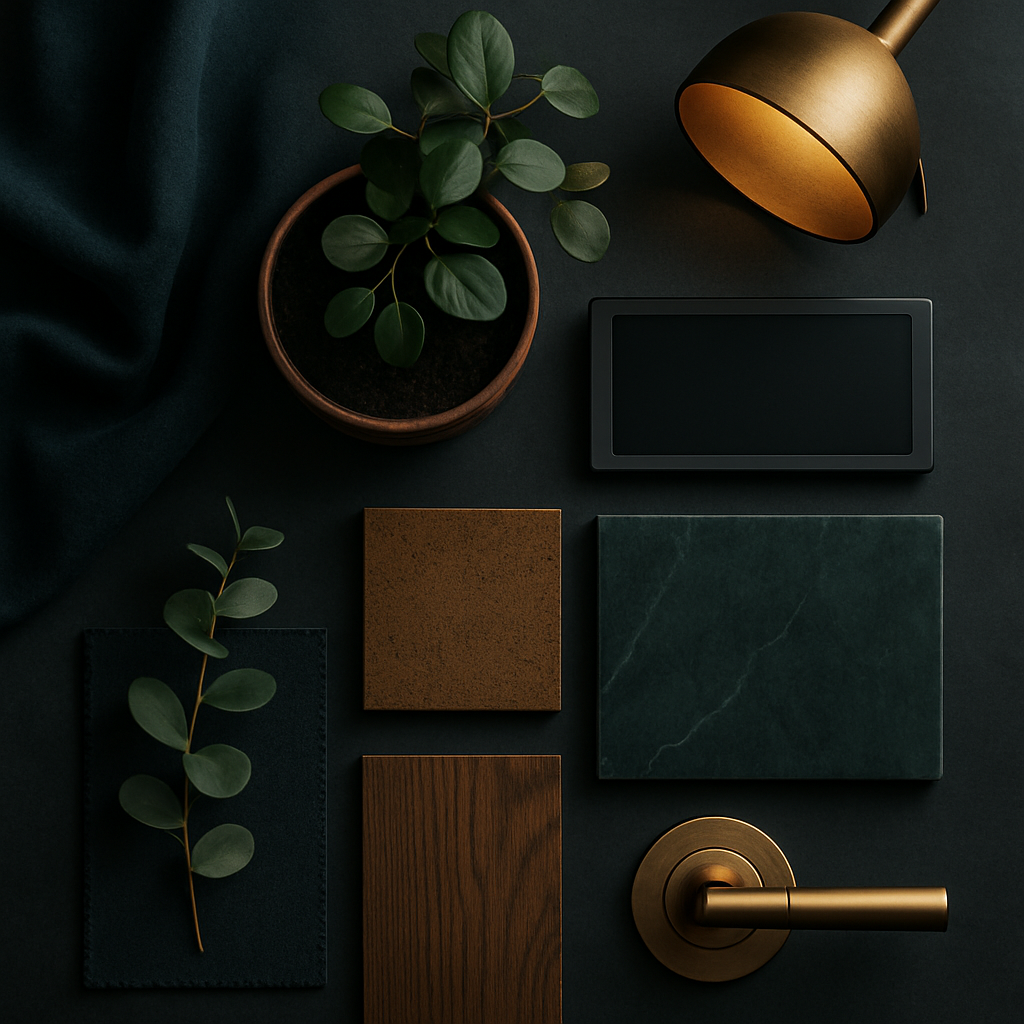
Imagine walking into your home and being enveloped by tranquility, where every piece feels intentional and every space, harmonious. According to the American Society of Interior Designers (ASID), homeowners are increasingly seeking environments that offer both aesthetic appeal and functional comfort. As we step into 2024, the interior design landscape is evolving with new trends that promise to transform residential spaces into personal sanctuaries. This year, expect a blend of technology, sustainability, and elegance. In this article, we'll explore ten innovative residential interior design trends, from biophilic elements to smart home integrations, and how these can be seamlessly incorporated into your home.
Biophilic Design: Bringing the Outdoors In
The concept of biophilic design, which emphasizes the incorporation of natural elements into interior spaces, has gained significant traction over the past few years. This trend is not merely about adding a few houseplants; it's about integrating nature into our built environments in a meaningful way. Architectural Digest notes that biophilic design can improve mood and increase productivity, making it ideal for both homes and workplaces.
Incorporating biophilic design can be as simple as introducing natural materials like wood and stone, or as complex as installing living walls and creating indoor gardens. For example, using reclaimed wood for flooring not only adds a rustic charm but also supports sustainability. Additionally, large windows that provide ample natural light and views of greenery can enhance this connection to nature.
Why is biophilic design gaining popularity? With urbanization, many people find themselves disconnected from nature, which can lead to increased stress and lower well-being. By bringing elements of the natural world indoors, you can create a calming environment that promotes health and happiness. Moving forward, how will you incorporate nature into your living spaces?
Quiet Luxury: Understated Elegance
Quiet luxury is all about subtle sophistication, focusing on high-quality materials and timeless design rather than ostentatious displays. This trend emphasizes the importance of craftsmanship and attention to detail, with a preference for muted color palettes and understated elegance. The International Interior Design Association (IIDA) highlights that quiet luxury is often favored by those who appreciate the artistry of design and the value of longevity.
For instance, a living room designed in this style might feature a plush cashmere throw, a leather sofa with clean lines, and bespoke wooden cabinetry. The focus here is on texture and material rather than bold colors or patterns. Quiet luxury invites you to consider the tactile experience of your home - how do the surfaces feel against your skin, and how do they contribute to a sense of calm and continuity?
Statistics from Houzz indicate that homeowners are increasingly willing to invest in fewer, higher-quality pieces that offer greater longevity. This shift towards quality over quantity reflects a broader societal trend towards sustainability and conscious consumption. As you plan your next redesign, which high-quality elements could elevate your space?
Smart Home Integration: The Future is Now
The integration of smart home technology is no longer a futuristic concept; it's a present-day reality that is reshaping the way we interact with our living spaces. From automated lighting and climate control to voice-activated assistants, smart technology offers convenience and efficiency. Experienced professionals often note that smart home integration can lead to significant energy savings, with some systems reducing costs by up to 30%.
Examples of smart home integration include automated blinds that adjust based on the time of day or intelligent lighting systems that adapt to your schedule. Platforms like Amazon Alexa and Google Home have become central to managing these technologies, providing seamless control over various home functions. According to a recent survey by Houzz, over 40% of homeowners have already incorporated smart technology into their homes.
As you consider smart home upgrades, think about the areas of your life that could benefit most from automation. Could integrating a smart thermostat enhance your comfort while reducing your energy bill? The key is to choose technology that enhances your lifestyle without overwhelming it. What smart features would best complement your living environment?
Sustainable Materials: Eco-Friendly Choices
In the realm of interior design, sustainability is more than a buzzword - it's a guiding principle for many designers and homeowners alike. The National Council for Interior Design Qualification (NCIDQ) emphasizes the importance of using materials that are not only beautiful but also environmentally responsible. This includes materials like bamboo flooring, recycled glass tiles, and sustainably sourced fabrics.
Sustainable design often involves a conscious effort to minimize waste and reduce the carbon footprint of a project. For instance, choosing furniture crafted from reclaimed wood or recycled metal can significantly lower environmental impact. Additionally, selecting paint with low volatile organic compounds (VOCs) contributes to healthier indoor air quality.
Why should you consider sustainable materials in your next project? Beyond the environmental benefits, sustainable materials often offer superior durability and unique aesthetics. As more consumers demand eco-friendly options, designers are responding with innovative solutions that marry form and function. How can you incorporate sustainability into your home renovations?
Japandi Style: Minimalism Meets Warmth
Japandi style, a fusion of Japanese minimalism and Scandinavian warmth, has emerged as a leading trend in 2024. This design approach combines the clean lines and functionality of Japanese design with the cozy, inviting elements of Scandinavian interiors. According to Architectural Digest's AD PRO network, Japandi is celebrated for its ability to create spaces that are both serene and welcoming.
Key elements of Japandi include the use of natural materials, simple forms, and a muted color palette. This style often features a mix of wood tones, organic textures, and handcrafted details. The result is an interior that feels harmonious and uncluttered, promoting relaxation and mindfulness.
As you explore Japandi for your home, consider how the balance of form and function can enhance your daily life. How might the elimination of excess help you focus on what truly matters? By embracing Japandi, you can create a space that supports your well-being while reflecting a refined aesthetic.
Final Perspectives on 2024's Design Innovations
The design trends of 2024 highlight a shift towards spaces that enhance our quality of life through thoughtful, intentional choices. Whether it's the calming influence of biophilic design, the understated sophistication of quiet luxury, or the convenience of smart home technology, each trend offers unique benefits tailored to modern living.
As you consider how to incorporate these trends into your home, it's important to reflect on your personal style and the functionality you need. Experienced designers often recommend starting with one or two elements that resonate most with your lifestyle and expanding from there. This approach allows you to create a cohesive design that feels both fresh and authentic.
Ultimately, the most successful designs are those that align with your values and enhance your daily experiences. Which trend will you explore first, and how will it transform your living space?
Conclusion: Bringing Design Trends Home
Incorporating the top interior design trends of 2024 into your home offers an exciting opportunity to create a space that is both beautiful and functional. From the lush greenery of biophilic design to the sleek integration of smart technology, these trends cater to a variety of tastes and needs. By staying informed and open to new ideas, you can craft an environment that reflects your personal style and supports your lifestyle.
Ready to start your design journey? Begin by exploring design portfolios on platforms like Houzz and Pinterest. Spend some time gathering inspiration and identifying the elements that speak to you. Even dedicating just 20 minutes a day to research can significantly refine your vision. What will your home look like in 2024? Start your exploration today and watch your space transform.


Comments
Post a Comment