10 Innovative Interior Design Ideas to Transform Your Home This Year
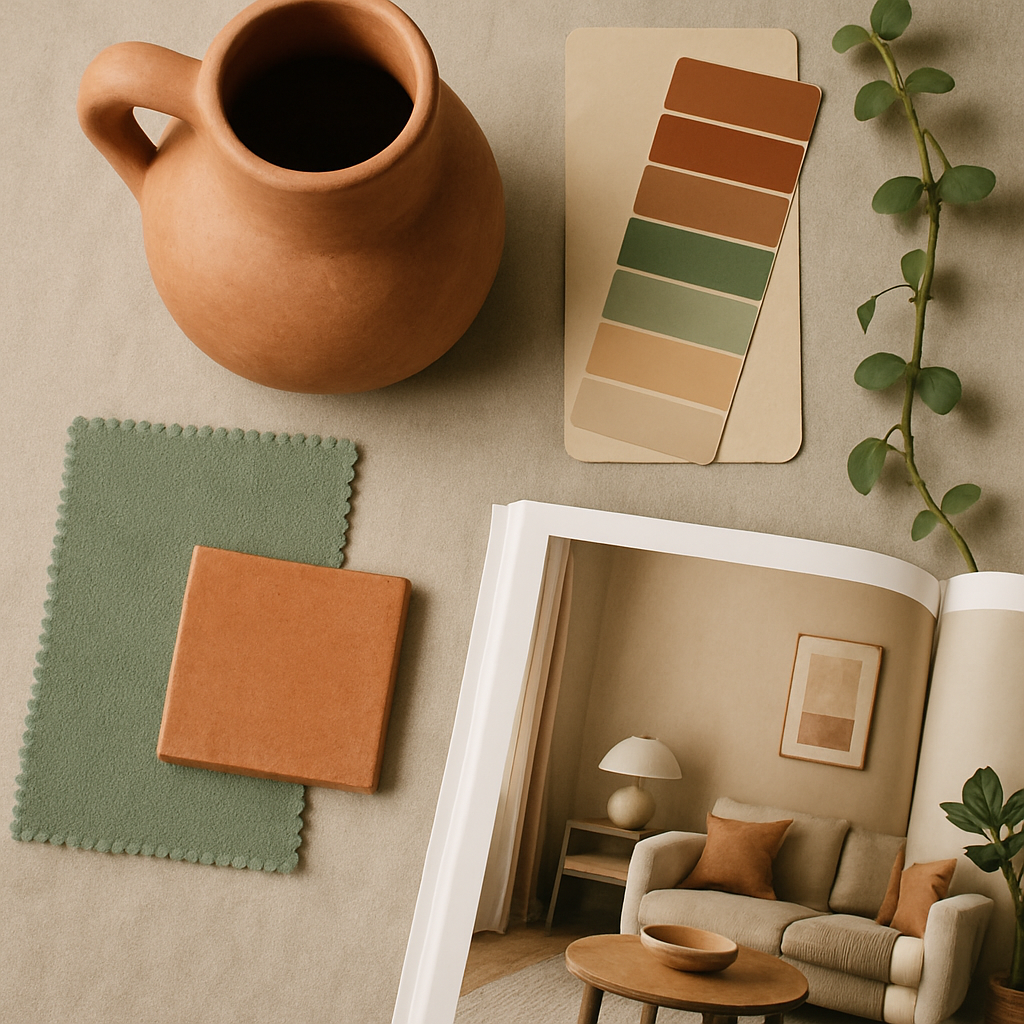
Have you ever walked into a room and felt an immediate sense of peace or excitement? That's the power of interior design. According to the National Association of Realtors, well-executed design can increase a property's resale value by 5-15%. But beyond financial gains, thoughtful design transforms how you experience your home daily. This article will explore ten innovative interior design ideas that can help you achieve such an impact. From foundational principles to cutting-edge trends, we'll delve into actionable strategies and expert insights to guide your home transformation journey.
Rethinking Space Utilization
Before diving into specific design elements, consider how you use your space. How can you make each room more functional without sacrificing aesthetics? Start by mapping out how your family actually uses each room. For example, designate specific areas for work, relaxation, and entertainment. This approach not only optimizes space but also enhances your home's flow and usability. According to Houzz's annual survey, homeowners who consciously plan their space report higher satisfaction levels.
Another foundational concept is the open floor plan. This layout continues to be popular because it encourages social interaction and maximizes natural light. However, it's essential to balance openness with defined areas to prevent a chaotic feel. Use rugs, furniture arrangements, or partial walls to subtly delineate spaces. This method allows for a flexible environment that can adapt to various needs, from hosting gatherings to quiet family evenings.
Finally, consider vertical space. Often underutilized, vertical design elements like tall shelves or hanging plants can add visual interest and functionality. Experienced professionals often note that incorporating vertical elements can make a room feel larger and more dynamic. By considering height in your design plans, you can effectively use every inch of your space, creating a more cohesive and efficient home environment.
Incorporating Biophilic Design
Biophilic design, which integrates natural elements into interiors, has gained traction for its ability to enhance well-being. But what does this mean for your home? Start by incorporating natural materials such as wood, stone, and clay. These materials not only provide a tactile experience but also connect the indoors with the outdoors. According to the American Society of Interior Designers (ASID), homes that utilize natural materials tend to offer a calming and restorative environment.
Indoor plants are another vital component of biophilic design. They improve air quality and add a vibrant touch to any room. Consider creating a living wall or placing large statement plants in key areas. Beyond aesthetics, plants have been shown to reduce stress and increase productivity, making them an ideal addition to home offices and living spaces alike.
Finally, focus on natural light. Maximize window space and use sheer curtains to allow sunlight to flood your rooms. Studies suggest that exposure to natural light can boost mood and energy levels. Modern design trends also recommend using mirrors strategically to reflect light and make spaces appear larger. By embracing biophilic design, you can create a home that is both beautiful and beneficial to your well-being.
Smart Home Integration
Integrating smart technology into your home design can significantly enhance both convenience and energy efficiency. Have you considered how smart lighting or automated window treatments could transform your daily routines? These technologies allow you to customize your environment with ease, adjusting lighting and temperature with a tap or voice command. The International Interior Design Association (IIDA) highlights smart home integration as a key trend in modern design.
Smart thermostats are another innovative addition. They learn your schedule and preferences, optimizing heating and cooling to save energy and reduce utility bills. Data from Energy Star suggests that smart thermostats can save homeowners an average of 8% on their energy bills annually. This investment not only pays off financially but also contributes to a more sustainable lifestyle.
Finally, consider incorporating smart security features such as cameras and alarm systems that can be monitored remotely. These technologies provide peace of mind, especially when travelling. By integrating smart home technology, you can create a more secure, efficient, and personalized living space, enhancing both comfort and functionality.
Embracing Japandi Style
The Japandi style, a blend of Japanese minimalism and Scandinavian warmth, is making waves in the design world. But what elements define this aesthetic, and how can you incorporate it into your home? Start with a neutral color palette, focusing on whites, beiges, and soft grays. These colors create a calming backdrop that emphasizes simplicity and tranquility.
Incorporate natural textures like wood and linen to add warmth and depth. The Japandi style values craftsmanship, so consider furniture pieces that are both functional and beautifully designed. According to Architectural Digest's AD PRO network, prioritizing quality over quantity is a hallmark of this style, reflecting a commitment to sustainability and timeless design.
Decluttering is also essential. Japandi design embraces the "less is more" philosophy, encouraging you to keep only what is necessary and beautiful. This approach creates a serene environment where each item has a purpose. By embracing Japandi style, you can achieve a harmonious balance between minimalism and comfort, transforming your home into a sanctuary.
Sustainable Design Choices
Sustainability is a crucial consideration in modern interior design. How can you make eco-friendly choices without compromising on style? Start by selecting sustainable materials like reclaimed wood, bamboo, and recycled metal. These materials not only reduce environmental impact but also add unique character to your home. The National Council for Interior Design Qualification (NCIDQ) emphasizes the importance of sustainability in contemporary design practices.
Consider energy-efficient appliances and fixtures. Not only do they reduce your carbon footprint, but they also result in long-term savings on utility bills. Look for Energy Star-rated products, which are designed to consume less energy without sacrificing performance. These choices align with a growing trend towards eco-conscious living and responsible consumption.
Finally, support local artisans and craftsmen. By choosing locally-made products, you reduce the carbon footprint associated with transportation and promote community-based economies. This approach not only contributes to sustainability but also adds a personal touch to your home, making it uniquely yours.
Final Perspectives on Home Transformation
Transforming your home with innovative interior design ideas is not just about aesthetics; it's about enhancing the way you live. How do these changes affect your daily life and interactions within your home? By focusing on functionality, sustainability, and personal style, you create a space that reflects your values and lifestyle.
Remember, the design journey is personal and ongoing. As you implement these ideas, keep evaluating how they serve your evolving needs. Engage with platforms like Houzz and Pinterest to gather inspiration and refine your vision. The beauty of interior design lies in its ability to adapt and grow with you.
Incorporating these innovative ideas can truly transform your home into a place of comfort and joy. Start small, experiment, and let your space evolve into a reflection of your personality and aspirations.
Conclusion
In conclusion, these ten innovative interior design ideas offer a roadmap for transforming your home into a haven of style and functionality. From rethinking space utilization to embracing sustainable choices, each strategy provides a unique opportunity to enhance your living environment. Have you already started implementing any of these ideas? If not, begin by exploring your options and assessing your home's potential. Start by browsing portfolios on Houzz and Pinterest this week-even 20 minutes of research will sharpen your eye for what you want. As you embark on this design journey, remember that your home should be a reflection of your personal taste and lifestyle. Transform your space, and in turn, transform the way you live.



Comments
Post a Comment