10 Innovative Interior Design Ideas to Transform Your Home in 2023
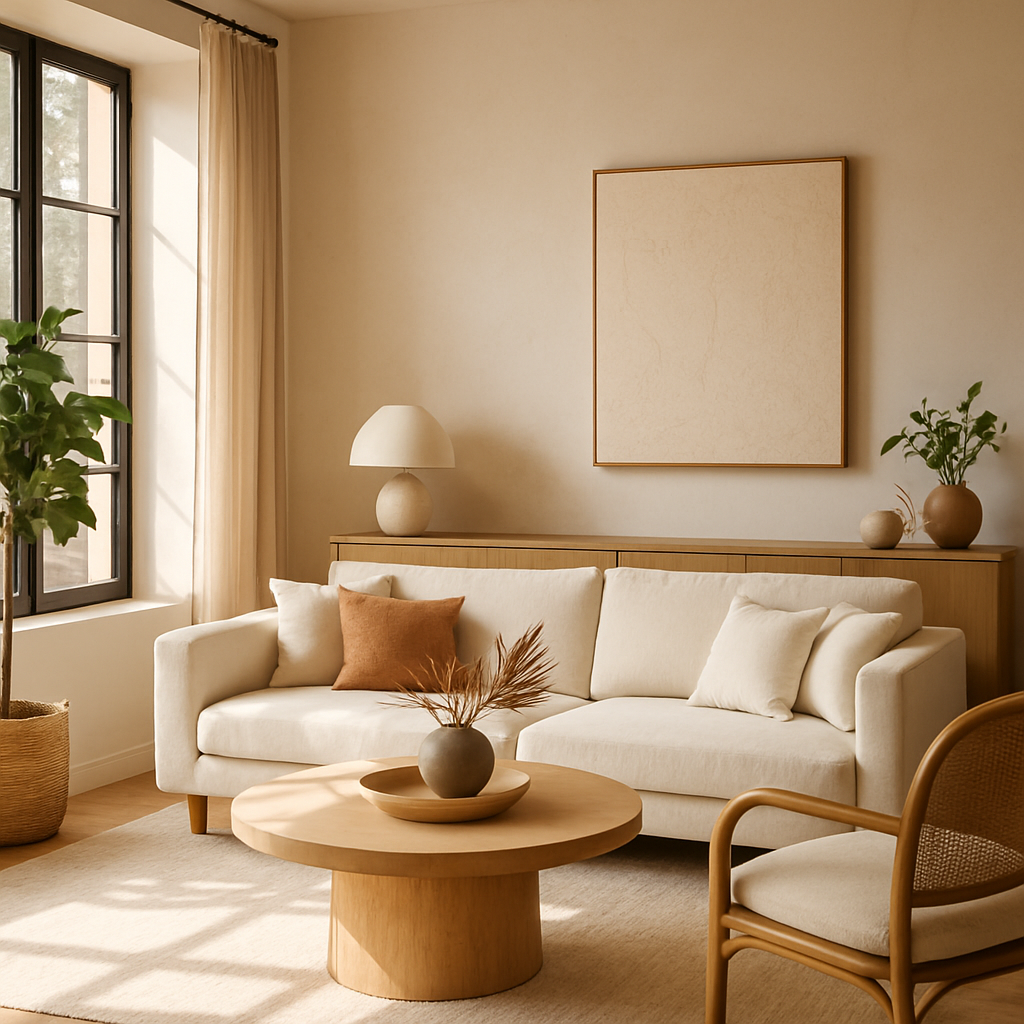
Are you ready to revitalize your living space with cutting-edge interior design ideas? According to Houzz's annual survey, homeowners are increasingly investing in home redesigns, with a significant 20% rise in spending over the past year. This trend underscores a growing appreciation for well-designed interiors that not only elevate aesthetics but also enhance functionality. In this article, we will explore ten innovative interior design ideas that are set to dominate in 2023. From biophilic design that blurs the lines between indoor and outdoor spaces to the rise of Japandi style, these ideas will provide both inspiration and practical guidance for your next project. Let's delve into these transformative concepts and see how they can be applied to create a truly remarkable home environment.
The Foundations of Innovative Design
Before diving into the specific trends, it's essential to understand the foundational principles that underpin innovative interior design. At its core, successful design is about seamlessly blending functionality with aesthetics. This means mapping out how you use each room in your home, identifying problem areas, and pinpointing opportunities for improvement. For instance, if your kitchen feels cramped, consider opening it up with a more open floor plan or integrating multi-functional furniture that maximizes space.
Another foundational concept is the integration of technology. Smart home features are no longer a luxury but a standard expectation in contemporary design. From automated lighting systems to climate control and smart window treatments, technology can significantly enhance both the functionality and comfort of your living spaces. The key is to ensure these elements are integrated in a way that complements the overall design rather than overwhelming it.
Additionally, sustainability is a crucial consideration in modern interior design. Incorporating sustainable materials and practices not only reduces environmental impact but also adds a layer of depth and richness to your home. Consider using reclaimed wood, recycled metals, and organic textiles. These materials not only contribute to eco-friendliness but also bring unique textures and stories into your home. With these foundational principles in mind, we can now explore the specific design trends gaining traction in 2023.
Diving Deeper: Trends with Impact
In 2023, interior design trends are about making meaningful impacts. Biophilic design, for instance, is gaining momentum as homeowners seek to create calming environments that connect them with nature. This trend emphasizes natural materials, living walls, and an indoor-outdoor flow that brings the tranquility of nature into your home. Industry surveys suggest that homes incorporating biophilic elements can increase occupant well-being and productivity by up to 15%.
Another significant trend is the concept of "quiet luxury," which focuses on understated elegance and high-quality materials. This approach prioritizes craftsmanship and materials that age gracefully, creating spaces that feel timeless rather than trendy. According to experts at Architectural Digest's AD PRO network, quiet luxury is expected to become a staple in upscale interiors, appealing to those who value subtle sophistication over ostentation.
Moreover, the integration of AR/VR room visualization tools is transforming the design process. These technologies allow homeowners to visualize changes before they happen, reducing decision-making anxiety and ensuring satisfaction with the final result. Experienced professionals often note that clients who use these tools report higher satisfaction with their renovations, as they can explore different design options in a virtual space. As we move forward, let's look at how you can implement these trends in your own home.
Actionable Strategies for Your Home
Bringing these innovative concepts into your home requires strategic planning and execution. Start by assessing your current space and identifying areas that need transformation. Are there rooms that feel disconnected or underutilized? Consider creating a cohesive flow by using consistent materials and color palettes that tie different areas together.
Implementing smart home technology is another actionable strategy. Begin with small additions like smart bulbs or a programmable thermostat, and gradually integrate more complex systems. Platforms like Houzz offer a wealth of resources and reviews to help you choose the right technology for your needs. Remember, the goal is to enhance convenience and efficiency without compromising on style.
For those interested in sustainable design, consider incorporating elements such as energy-efficient appliances and water-saving fixtures. Not only do these choices benefit the environment, but they can also lead to long-term savings on utility bills. Furthermore, sourcing furniture and decor from local artisans or companies that prioritize eco-friendly practices can add unique character to your home. With these strategies in mind, let's explore expert insights that can further refine your design approach.
Expert Insights for Design Success
Experienced interior designers emphasize the importance of a well-defined concept development phase. This initial stage is crucial for setting the direction of the entire project. Collaborate with a certified interior designer-look for credentials like NCIDQ (National Council for Interior Design Qualification) or ASID (American Society of Interior Designers)-to ensure a professional touch. These experts bring a wealth of knowledge and can help articulate a vision that reflects your personal style while adhering to industry standards.
Procurement is another critical phase where expert guidance can make a significant difference. Designers often have access to trade-only showrooms and can source high-quality materials and furnishings that aren't available to the general public. This not only enhances the uniqueness of your interior but also often results in cost savings. According to the International Interior Design Association (IIDA), professional procurement can reduce project costs by 10-15% due to trade discounts and strategic sourcing.
Finally, the installation and styling phase requires meticulous attention to detail. Designers ensure that each element is perfectly placed to achieve the desired aesthetic and functional outcome. This phase often involves layering textures, arranging furniture, and adding finishing touches like art and accessories that complete the look. With expert guidance, you can create a space that feels both polished and personal. Now, let's delve into additional details that can enhance your design project.
Additional Depth: The Role of Budgeting
Understanding the financial aspects of interior design is essential for a successful project. Budgeting helps set realistic expectations and prevents overspending. According to Houzz's data, a single room redesign typically ranges from $5,000 to $15,000, while full-home projects can exceed $150,000. It's important to allocate funds wisely across different phases, from concept development to installation.
Fee structures for hiring professional designers can vary. Many charge a flat fee or hourly rate, which can range from $150 to $500 per hour, while others take a percentage of the total project cost, typically 10-25%. Understanding these options allows you to choose a payment structure that aligns with your budget and project scope. Discuss fee arrangements upfront with your designer to avoid any surprises down the line.
Additionally, consider the potential return on investment. Well-designed homes often yield a 5-15% higher resale value, making them a worthwhile investment. Prioritizing spaces like kitchens and bathrooms, which are crucial selling points, can enhance both your living experience and future marketability. As we wrap up, let's consider some final perspectives on implementing these ideas.
Final Perspectives on Implementation
Implementing innovative interior design ideas can be a transformative journey for your home. However, it requires careful planning and collaboration with professionals. Start by gathering inspiration from platforms like Pinterest and Instagram, where you can explore a wide range of styles and ideas. This can help you clarify your preferences and communicate them effectively to your designer.
Another important aspect is to remain flexible and open to adjustments throughout the process. Design projects often evolve as new ideas emerge or practical constraints arise. Working closely with your designer and maintaining open communication can ensure that the final outcome meets your expectations while accommodating any necessary changes.
Ultimately, the goal of these innovative ideas is to create a home that reflects your personality and enhances your quality of life. Whether you're drawn to the serene beauty of Japandi style or the cutting-edge integration of smart technology, there's an approach that can transform your space into something truly extraordinary. As we conclude, consider how you can take the first step towards implementing these ideas in your own home.
Conclusion
2023 presents a wealth of opportunities to reinvent your living spaces with innovative interior design ideas. By embracing trends like biophilic design, quiet luxury, and smart home integration, you can create a home that is as functional as it is beautiful. Remember to prioritize sustainability and engage with certified professionals to ensure a successful project.
The journey to transforming your home begins with a single step. Start by browsing portfolios on platforms like Houzz or engaging with designers through professional organizations such as ASID or IIDA. Even dedicating 20 minutes a day to research can significantly sharpen your eye for design and help you articulate your vision. Ready to take the plunge and transform your home? The possibilities are endless, and the results will undoubtedly be rewarding.



Comments
Post a Comment