10 Essential Tips for Achieving a Stunning Minimalist Interior Design
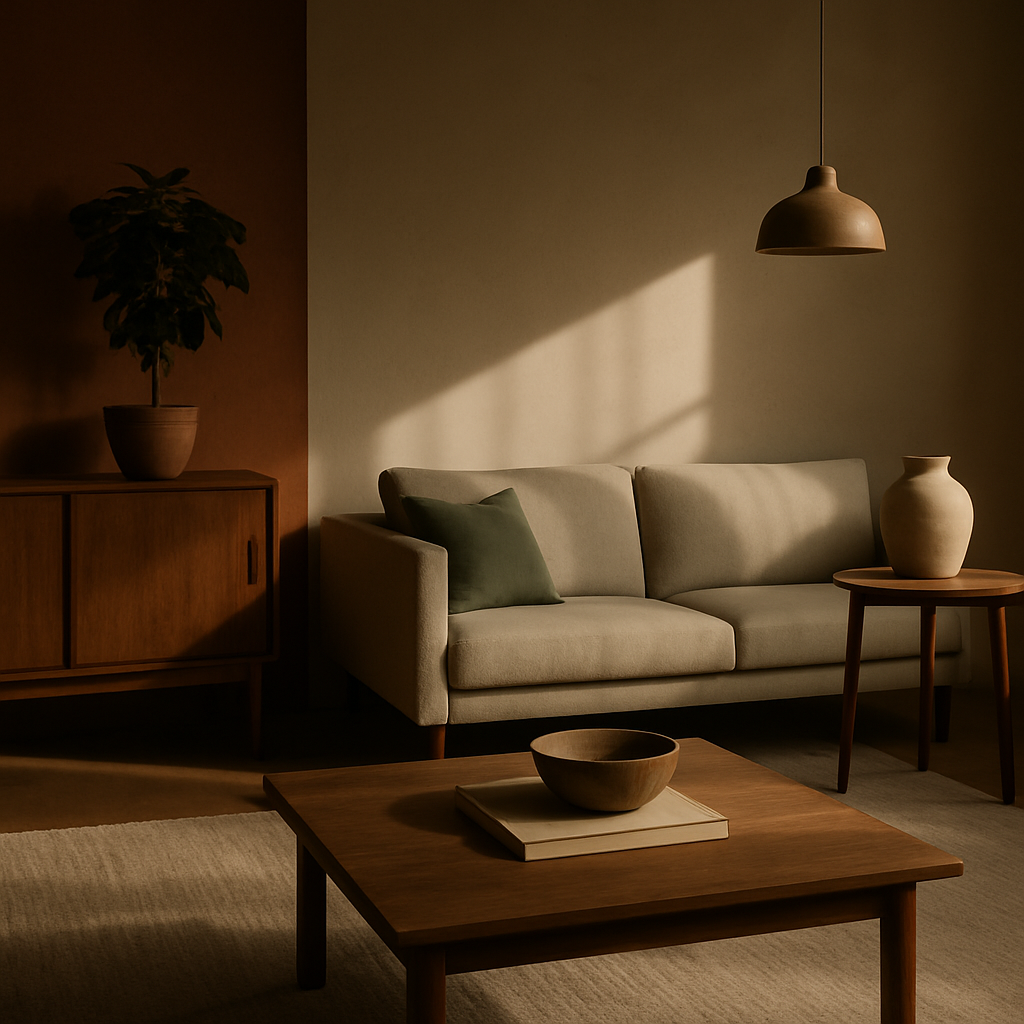
Are you overwhelmed by clutter in your home and seeking a serene, clutter-free environment? According to a survey by the National Association of Professional Organizers, over 50% of homeowners feel their homes are cluttered. This statistic highlights a common challenge many face, but there's a solution: minimalism. In this article, we'll dive into the transformative power of minimalist interior design. You'll discover ten essential tips that combine aesthetic beauty with functionality, creating a space that promotes tranquility and order. From foundational concepts to expert-level details, let's explore how you can transform your living space into a minimalist haven.
Understanding the Core of Minimalist Design
At its heart, minimalist interior design is about creating spaces that embody simplicity and functionality. This design philosophy emphasizes the use of essential elements, clean lines, and a monochromatic palette accentuated by a few pops of color. The primary objective is to eliminate clutter and focus on what truly matters, both aesthetically and functionally. By reducing excess, you can achieve a sense of calm and order that enhances the overall living experience.
The minimalist approach is deeply rooted in the principle of "less is more," a concept popularized by architect Ludwig Mies van der Rohe. This design style does not merely mean having fewer items; it involves thoughtful curation of every piece in your home. Each item should have a purpose and contribute to the overall harmony of the space. This philosophy not only leads to a visually appealing environment but also reduces stress and increases productivity by minimizing distractions.
When implementing minimalist design, consider the functionality of each room. Think about how you use the space daily - where you relax, entertain, and perform tasks. This introspection helps in deciding which elements are indispensable and which can be removed. As you embark on this journey, ask yourself: Does this item add value to my daily life, or is it merely taking up space? This question will guide your decisions in creating a minimalist home that reflects your lifestyle and needs.
Embracing Neutral Color Palettes
One of the hallmarks of minimalist interior design is the use of neutral color palettes. These colors-such as whites, beiges, and grays-serve as the foundation of a minimalist space, creating a soothing and cohesive environment. According to Houzz, a leading platform for home remodeling and design, incorporating neutral tones can make spaces feel larger and more open, which is a key characteristic of minimalist interiors.
Neutral colors provide a versatile backdrop that allows you to experiment with textures and materials without overwhelming the senses. For instance, pairing a soft gray wall with a natural linen sofa adds depth and interest without deviating from minimalist principles. Similarly, a white marble countertop in the kitchen can serve as a striking focal point while maintaining the clean aesthetic that minimalism demands.
While neutral colors are central to minimalist design, they don't equate to a lack of personality. You can introduce subtle pops of color through artwork, plants, or accent pieces. The key is to maintain balance and ensure that any additional color complements the overarching neutral scheme. This approach not only preserves the minimalist aesthetic but also allows your personal style to shine through.
Practical Strategies for Decluttering
Decluttering is a critical step in achieving a minimalist interior design. Experienced professionals often note that starting with a comprehensive decluttering session sets the foundation for successful minimalism. Begin by methodically assessing each room, item by item. Ask yourself: When was the last time I used this? Does it have sentimental value? Is it functional or decorative? Such questions help in making informed decisions about what to keep and what to discard.
Once you've decided what stays and what goes, create a system to manage the remaining items. This could involve organized storage solutions like built-in cabinets or multi-functional furniture pieces that serve dual purposes, such as ottomans with hidden storage. According to IIDA (International Interior Design Association), incorporating such solutions not only helps in maintaining a clutter-free space but also enhances the room's functionality.
Consider adopting the "one in, one out" rule to prevent future clutter. This means for every new item you bring into your home, an old one must be removed. This practice encourages intentional purchasing and helps maintain the minimalist environment you've worked hard to create. By prioritizing quality over quantity, you'll ensure that your space remains both beautiful and functional.
Leveraging Natural Light and Space
Minimalist interior design thrives on the abundance of natural light and the intelligent use of space. Large windows that allow sunlight to flood the rooms not only illuminate the space but also highlight the simplicity and elegance of minimalist decor. The strategic placement of mirrors can further amplify this effect by reflecting light around the room, making it appear larger and more inviting.
Incorporating open floor plans can significantly enhance the minimalist feel by creating a seamless flow between different living areas. According to Architectural Digest's AD PRO network, open spaces encourage interaction and connectivity, which are essential elements in modern minimalist homes. By removing unnecessary walls and barriers, you can create a sense of freedom and openness that aligns with the minimalist ethos.
To maximize the impact of natural light, consider using sheer curtains or blinds that can be easily adjusted to control the light flow. Additionally, opting for furniture with low profiles can prevent the obstruction of light, allowing it to spread evenly throughout the space. These strategies not only enhance the aesthetic appeal of your home but also contribute to a more energy-efficient environment by reducing the need for artificial lighting.
Incorporating Sustainable and Reclaimed Materials
As the world becomes more environmentally conscious, incorporating sustainable and reclaimed materials into minimalist interior design has gained traction. Biophilic design, which connects the indoors with nature, is a growing trend that seamlessly integrates with minimalist principles. Using natural materials like wood, stone, and bamboo not only adds warmth and texture to your space but also supports sustainability efforts.
Reclaimed materials, such as salvaged wood or repurposed metal, offer a unique character and history to your home. According to ASID (American Society of Interior Designers), using these materials not only reduces waste but also adds a story to your interior, giving it depth and personality. These elements can be incorporated into various aspects of design, from flooring to furniture, without compromising the minimalist aesthetic.
Another aspect of sustainability in minimalism is the use of energy-efficient appliances and smart home technology. Automated lighting and climate control systems not only enhance the functionality of your home but also contribute to reducing your carbon footprint. By integrating these technologies, you can create a minimalist space that is both modern and environmentally responsible.
Final Touches for a Cohesive Look
The final touches in a minimalist interior design are crucial for achieving a cohesive look. This involves carefully selecting decor elements that align with your overall theme. Experienced designers recommend focusing on a few statement pieces that draw attention without overwhelming the space. This could include a piece of abstract art, a designer lamp, or a uniquely textured rug.
Consistency is key in maintaining a minimalist interior. This means ensuring that the style, color, and material of your decor items harmonize with one another. For example, if you've chosen a Scandinavian minimalist style, stick with light woods, soft textiles, and neutral palettes throughout your home. This uniformity creates a sense of unity and tranquility that is essential to minimalist design.
Finally, regular maintenance is essential to preserve the minimalist aesthetic. This involves routine decluttering and reassessment of your space to ensure it continues to meet your functional and aesthetic needs. By making minimalism a lifestyle choice rather than a one-time project, you can enjoy the lasting benefits of a serene and organized home.
Conclusion
Minimalist interior design is not just about aesthetics; it's a lifestyle that promotes simplicity, functionality, and tranquility. By understanding its core principles and implementing the strategies outlined in this article, you can transform your home into a stunning minimalist sanctuary. Remember, the journey to minimalism is personal and should reflect your unique lifestyle and values.
Ready to start your minimalist transformation? Begin by evaluating your current space and identifying areas for improvement. Start with small changes, such as decluttering a single room or incorporating a neutral color palette. As you progress, consider consulting platforms like Houzz for inspiration and guidance from professional designers. By taking these steps, you'll be well on your way to achieving the minimalist home of your dreams.


Comments
Post a Comment