10 Essential Tips for Achieving a Cozy and Stylish Room Interior Design
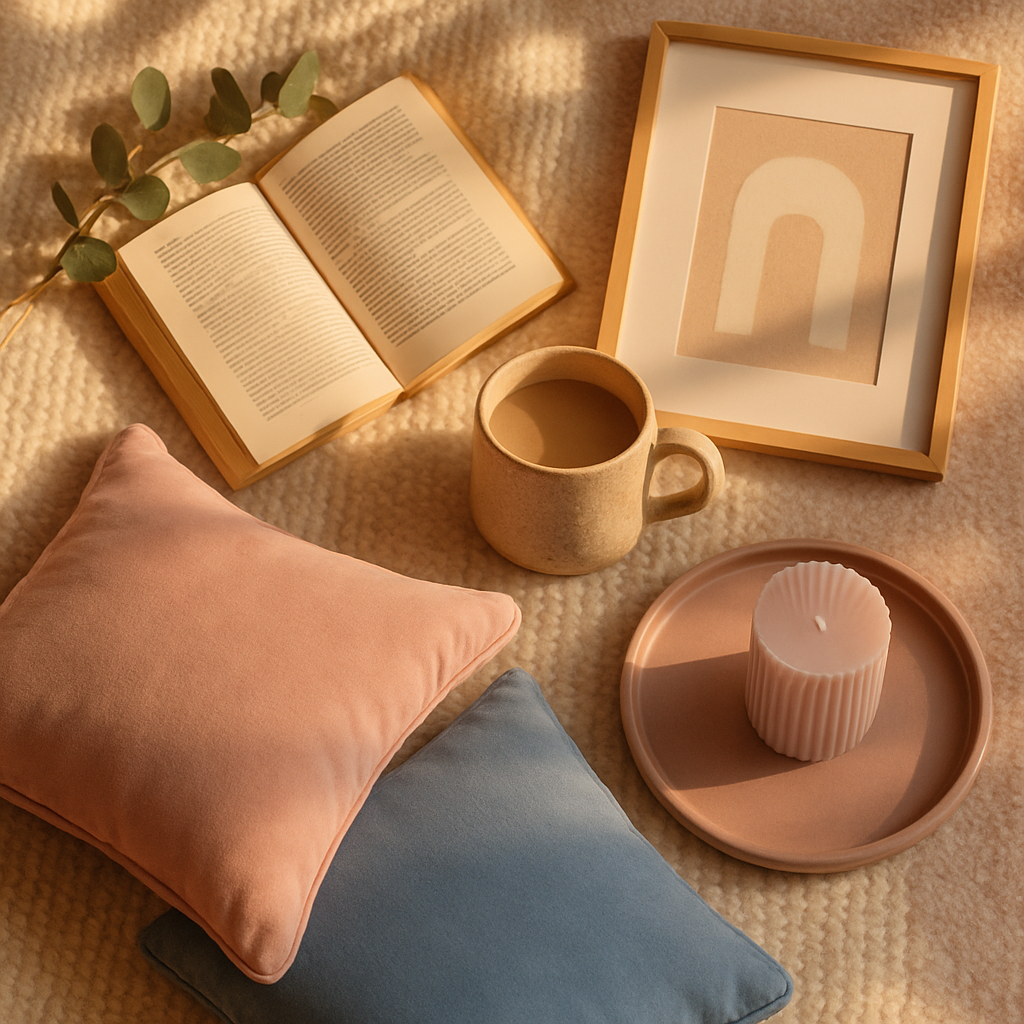
Imagine walking into a room that wraps you in warmth and elegance from the moment you step inside. Achieving a cozy and stylish room interior design isn't just about following trends; it's about creating a space that reflects your personality while offering comfort and functionality. According to Houzz's recent survey, homeowners who invested in thoughtful design reported a 90% increase in daily satisfaction with their living spaces. In this article, we will explore ten essential tips to help you craft an inviting and chic room. We'll delve into foundational concepts, analyze key design principles, and provide actionable strategies to transform your environment.
Start with Foundational Concepts
The cornerstone of any successful interior design project is a strong understanding of foundational concepts. Experienced professionals often note that one of the first steps is defining the purpose of your room. Are you looking to create a relaxing retreat, a productive workspace, or a lively entertainment area? This clarity will guide your design choices and ensure that they serve your lifestyle effectively. For instance, a cozy reading nook may prioritize comfort and lighting, while a stylish dining room could focus on aesthetics and functionality.
Another key principle is considering the flow of movement within the space. According to the American Society of Interior Designers (ASID), thoughtful layout planning can enhance both the functionality and the visual appeal of a room. Mapping out how you use each area-where you place your keys, where the kids do their homework, where you relax after a long day-can significantly influence the arrangement of furniture and accessories. This attention to detail ensures that your space remains both practical and inviting.
Finally, color psychology plays a vital role in setting the mood. Certain hues can evoke feelings of calmness, energy, or sophistication. For example, using soft, neutral tones can create a serene atmosphere, while bold colors might inject vibrancy and excitement. When choosing a color palette, consider what emotions you want the room to convey and how these will resonate with your personal style. This approach not only personalizes the space but also enhances its cohesive look, setting the stage for further design elements.
Dive into Data-Driven Design Principles
Once you have a solid foundation, it's time to delve deeper into design principles supported by data. A study by the National Council for Interior Design Qualification (NCIDQ) reveals that well-designed interiors can enhance a home's resale value by 5-15%. This statistic underscores the importance of strategic design choices. One key principle is balance, which can be achieved through the thoughtful arrangement of furniture and decor. Symmetrical layouts often provide a sense of order and calm, while asymmetrical designs can introduce dynamic interest.
Lighting is another critical element in interior design. According to a survey conducted by the International Interior Design Association (IIDA), lighting is one of the top factors influencing a room's ambiance. Natural light sources are ideal, but layering lighting with ambient, task, and accent lighting can transform a space after dark. Consider integrating smart home technology to control lighting intensity and color, enhancing both the function and mood of the room.
Texture and materials also play an essential role in creating a cozy and stylish room. Industry experts recommend incorporating a mix of textures-from plush fabrics to smooth surfaces-to add depth and interest. Natural materials like wood and stone can introduce warmth and earthiness, aligning with the growing trend of biophilic design. By blending different textures, you create a rich visual and tactile experience that enhances the overall aesthetic of the space.
Implement Actionable Strategies for Transformation
With foundational concepts and data-driven principles in mind, you can implement actionable strategies to achieve your design goals. Begin by decluttering and organizing your space. This step not only creates a clean slate but also allows you to identify essential items that contribute to the room's function and style. Consider using stylish storage solutions that double as decorative elements, such as woven baskets or sleek shelving units.
Next, focus on selecting the right furniture. According to Architectural Digest's AD PRO network, investing in quality pieces is crucial for both comfort and longevity. Opt for furniture that complements your design vision and fits the scale of your room. When arranging your furniture, consider creating focal points that draw the eye and enhance the room's layout. For example, a fireplace, a piece of art, or a statement sofa can serve as an anchor around which other elements revolve.
Accessorizing is the final touch that brings your room to life. Choose decor items that reflect your personality and tie into the overall theme. This can include artwork, plants, throw pillows, and rugs. Remember to vary the heights and sizes of these accessories to create visual interest. Do you have a favorite piece of art or a cherished family heirloom? Integrate these personal touches into your design to make the space truly yours.
Explore Expert-Level Details
For those seeking expert-level detail, consider the nuances of incorporating current design trends. The Japandi style, which combines Japanese minimalism with Scandinavian warmth, is gaining popularity for its calming aesthetics. It emphasizes clean lines, functional pieces, and a neutral color palette. By integrating elements of Japandi, you can create a serene and stylish environment that feels both modern and timeless.
Sustainability is another crucial aspect of contemporary interior design. More designers are opting for sustainable and reclaimed materials, reflecting a growing consumer consciousness about environmental impact. Choosing eco-friendly materials not only benefits the planet but also adds a unique character to your room. Look for furniture made from reclaimed wood or fabrics crafted from recycled materials to reinforce this ethos.
Finally, consider utilizing AR/VR room visualization tools, which are becoming increasingly popular among designers and clients alike. These technologies allow you to virtually experiment with different layouts, color schemes, and furniture configurations before committing to a design. By seeing the potential outcomes firsthand, you can make more informed decisions and feel confident in your choices. This approach not only saves time and resources but also helps achieve a result that aligns perfectly with your vision.
Delve into Additional Depth
To further enhance your room's interior design, consider the impact of seasonal changes. Swapping out accessories and textiles with the seasons can keep your space feeling fresh and inviting year-round. For instance, you might introduce warmer tones and heavier fabrics in the winter, then switch to lighter, breezy materials in the summer. This adaptability ensures that your room remains a cozy haven regardless of the time of year.
Another layer of depth can be added through the use of personalized art and decor. Commissioning a local artist to create a bespoke piece for your home not only supports the arts community but also provides a unique element that can't be replicated. Alternatively, you might create a gallery wall of family photos or travel souvenirs, which adds a deeply personal touch to the space.
For those who enjoy hosting, consider how your room can accommodate gatherings with ease. Flexible seating arrangements, such as modular sofas or stackable chairs, can adapt to the number of guests you entertain. Incorporating a bar cart or a built-in wine rack can also enhance the functionality and style of the space, making it both practical and appealing for social occasions. These thoughtful considerations ensure that your room is not only a personal sanctuary but also a welcoming space for friends and family.
Consider Final Perspectives
As you refine your room's design, keep in mind the long-term vision for your home. Are you planning to sell in the future, or is this your forever sanctuary? Understanding your goals will inform your design choices and ensure they align with your lifestyle and financial plans. Remember, a well-designed interior can increase your home's resale value, providing both aesthetic and economic benefits.
Additionally, don't underestimate the power of experimentation. Design is an evolving process, and sometimes the best ideas come from trying something new. Whether it's a bold color choice, an unconventional furniture layout, or a mix of design styles, allow yourself the freedom to explore and refine your space over time. This flexibility not only leads to a more personalized environment but also keeps your design journey engaging and enjoyable.
Conclusion
Incorporating these ten essential tips into your room interior design can transform any space into a cozy and stylish haven. From foundational concepts to expert-level details, each element plays a crucial role in crafting an environment that reflects your personality and meets your needs. As you embark on this design journey, remember to ask yourself: What truly makes me feel at home? Start by browsing portfolios on Houzz or Instagram this week-just 20 minutes of research will sharpen your eye for what resonates with you. Embrace the process, and soon you'll find yourself immersed in a space that is uniquely yours.



Comments
Post a Comment