10 Essential Steps to Launch Your Career in Interior Design
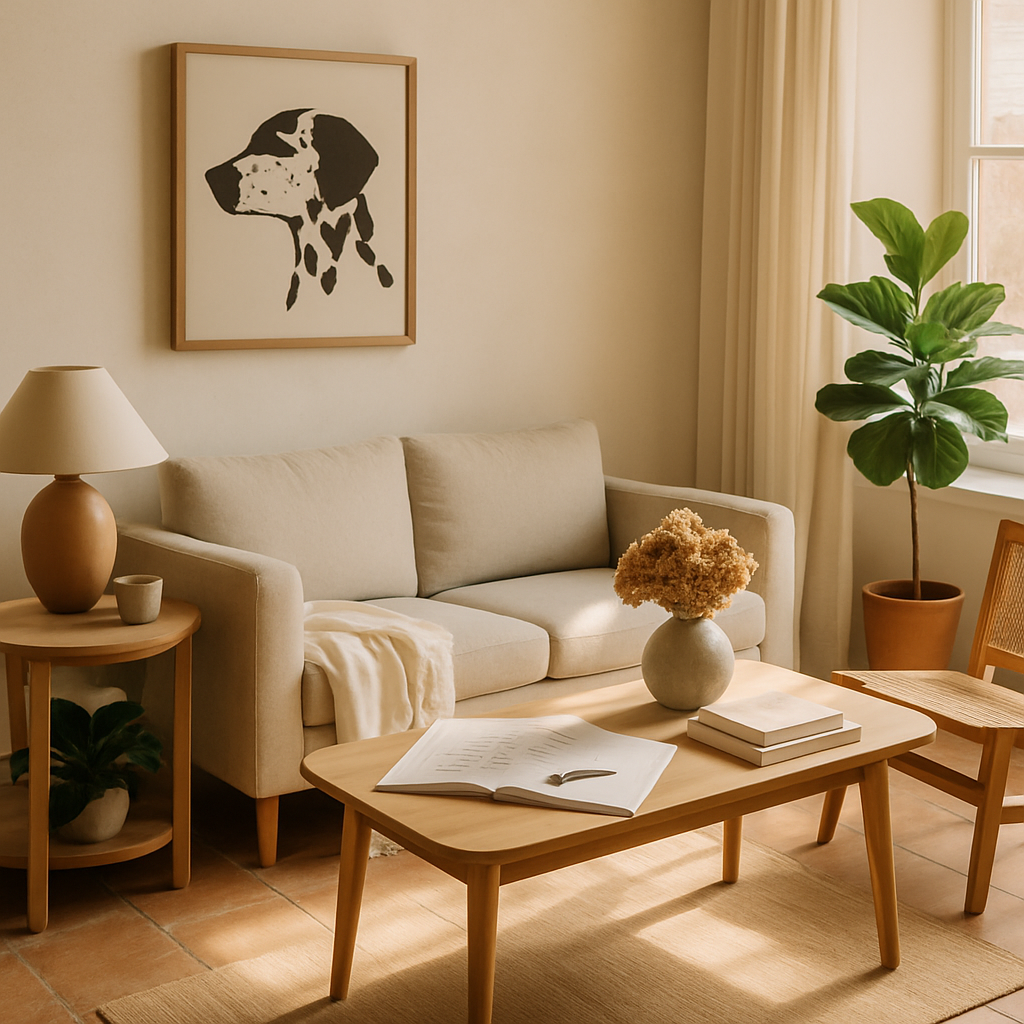
Have you ever walked into a room and felt a deep appreciation for the harmony between colors, textures, and furniture placement? If so, a career in interior design might be your calling. As demand for skilled designers surges, industry surveys suggest that a well-designed interior can increase property resale value by 5-15%. With this potential impact, launching a career in interior design offers both creative fulfillment and financial reward. This article will guide you through ten essential steps to set you on the path to success. From understanding the foundational principles and obtaining necessary credentials to developing a portfolio and navigating the business aspects, each step is crafted to equip you with the knowledge to thrive in this dynamic field.
Understanding Interior Design Fundamentals
Before diving into the world of interior design, it's crucial to grasp the fundamental principles that underpin the discipline. At its core, interior design is about enhancing the functionality and aesthetics of a space. This involves a keen understanding of spatial arrangements, color theory, and the interplay of light and materials. For example, biophilic design-a trend emphasizing natural materials and indoor-outdoor flow-has gained popularity as people seek more harmonious living environments. Understanding these principles lays the groundwork for effective design solutions.
The distinction between an interior designer and a decorator is another foundational concept aspiring professionals must understand. Interior designers often hold formal qualifications such as the NCIDQ (National Council for Interior Design Qualification) certification, which demonstrates a high standard of professional competence. Decorators, on the other hand, may focus solely on aesthetics without formal training in spatial planning or building codes. This distinction is vital, as holding a recognized credential like NCIDQ or aligning with organizations such as the ASID (American Society of Interior Designers) can enhance your credibility and marketability.
Finally, familiarizing yourself with the phases of a typical design project can provide a comprehensive view of the profession. These phases include concept development, design presentation, procurement, installation, and styling. Each phase requires a unique set of skills and contributes to the cohesive execution of a project. As you embark on your career, understanding these stages will equip you to manage projects from inception to completion effectively.
Analyzing Industry Trends and Data
Staying informed about current and emerging trends is essential for any aspiring interior designer. In 2026, trends such as quiet luxury, sustainable materials, and smart home integration are expected to dominate the industry. According to Houzz's annual survey, homeowners are increasingly investing in renovations that incorporate these elements, with spending reaching billions of dollars annually. Understanding these trends not only helps you stay relevant but also informs your design choices and client recommendations.
Data also plays a significant role in shaping design decisions. For example, leveraging demographic data can help you tailor designs to specific target markets. If you're designing for millennials, incorporating tech-friendly solutions and sustainable materials may resonate well. On the other hand, older demographics may prioritize accessibility and comfort, guiding you to different design choices. Analyzing such data allows you to create designs that meet client needs while staying ahead of industry shifts.
Moreover, experienced professionals often note the importance of understanding regional design preferences. What's popular in New York may not be in Los Angeles. By researching local trends, perhaps through platforms like Houzz or Instagram, you can adapt your designs to meet specific cultural and environmental factors. This adaptability not only broadens your appeal but also positions you as a versatile designer capable of handling diverse projects.
Building a Strong Portfolio
One of the most critical steps in launching your interior design career is building a robust portfolio. A portfolio not only showcases your skills and design aesthetic but also serves as a tangible representation of your capabilities to potential clients and employers. Start by including a variety of projects that demonstrate your range, from residential spaces to commercial environments. Each project should highlight different styles, techniques, and challenges you've mastered.
In today's digital age, having an online presence is equally important. Platforms like Instagram and Pinterest can be valuable tools for displaying your work and reaching a broader audience. By curating your online portfolio, you can attract followers interested in your design perspective, which can lead to client inquiries and collaborations. Additionally, maintaining an active presence on these platforms allows you to engage with the design community and stay informed about emerging trends.
When assembling your portfolio, pay close attention to the presentation quality. Use high-resolution images and consider employing professional photography services to capture your work in the best light. Alongside visual content, include detailed descriptions of each project, outlining your thought process, challenges overcome, and the impact of your design choices. This narrative not only adds depth to your portfolio but also provides potential clients with insight into your problem-solving skills and creativity.
Gaining Professional Experience
Securing professional experience is invaluable when launching your interior design career. Internships and apprenticeships with established firms offer a practical introduction to the industry, allowing you to apply your knowledge in real-world settings. These opportunities provide exposure to the day-to-day operations of a design firm, from client meetings and site visits to sourcing materials and managing timelines. The experience gained during internships is often cited by industry professionals as crucial for building confidence and competence.
Networking is another essential component of gaining experience. Attending industry events such as those hosted by the IIDA (International Interior Design Association) or local AIA (American Institute of Architects) chapters can connect you with potential mentors and collaborators. These relationships can open doors to job opportunities and provide support as you navigate the early stages of your career. Engaging with the design community also keeps you informed about industry developments and trends, further enriching your professional journey.
Additionally, consider volunteering for design projects in your community. Whether it's assisting with a local non-profit's renovation project or offering design consultations for friends and family, these experiences build your portfolio and refine your skills. Volunteering demonstrates initiative and a willingness to learn, qualities that are attractive to potential employers and clients alike. As you gain experience, continue to refine your portfolio and expand your professional network to enhance your career prospects.
Understanding Business and Marketing Strategies
Launching a successful interior design career requires more than just design skills; understanding the business and marketing aspects is equally important. Setting up a business involves decisions on legal structure, branding, and financial planning. Many designers start as sole proprietors, but as your business grows, you may consider forming an LLC for liability protection. Branding is also crucial-develop a logo and visual identity that reflect your design style and values.
Marketing your services effectively is key to attracting clients. A professional website is a must-have, serving as your digital storefront where potential clients can learn about your services and view your portfolio. SEO strategies, such as using relevant keywords and creating engaging content, can improve your website's visibility in search engines. Additionally, consider leveraging social media platforms to reach a wider audience. Regularly posting content, engaging with followers, and collaborating with influencers can enhance your online presence and attract inquiries.
Fee structures are another critical business consideration. Interior designers typically charge flat fees, hourly rates, or a percentage of the total project cost. Hourly rates can range from $150 to $500, depending on experience and location. It's important to clearly communicate your fees and services to clients to avoid misunderstandings. Experienced professionals often recommend offering detailed contracts outlining the scope of work, timelines, and payment schedules to ensure transparency and manage client expectations effectively.
Final Perspectives on Launching Your Career
As you embark on your interior design career, remember that continuous learning and adaptation are key to long-term success. The design industry is constantly evolving, with new trends and technologies emerging regularly. Staying informed and open to change will keep your skills relevant and your designs fresh. Consider participating in workshops, attending design fairs, and enrolling in continuing education courses to expand your knowledge and stay competitive.
Furthermore, cultivating a strong personal brand is essential. Your brand should communicate who you are as a designer, what you stand for, and what sets you apart from others in the field. Authenticity is crucial-clients are drawn to designers who are genuine and true to their style. By consistently delivering quality work and maintaining integrity, you'll build a reputation that attracts new clients and opportunities.
Remember, launching a career in interior design is a journey that requires dedication, passion, and resilience. While the path may present challenges, the rewards of transforming spaces and enhancing lives are unparalleled. As you take these steps, consider how each one contributes to your growth as a designer, setting the foundation for a fulfilling and successful career.
Conclusion
Launching a career in interior design is a multifaceted journey that combines creativity with strategic planning. By understanding the fundamentals, analyzing industry trends, building a strong portfolio, gaining professional experience, and mastering business strategies, you'll be well-equipped to thrive in this dynamic field. Each step is an opportunity to hone your skills and define your unique design perspective. Are you ready to take the first step toward your interior design career? Start by exploring designer portfolios on platforms like Houzz or Pinterest this week. Even 20 minutes of research can sharpen your eye for design trends and inspire your next move. Embrace the challenge and let your passion for design guide you to success.



Comments
Post a Comment