10 Essential Principles from the Interior Design Handbook You Can't Ignore
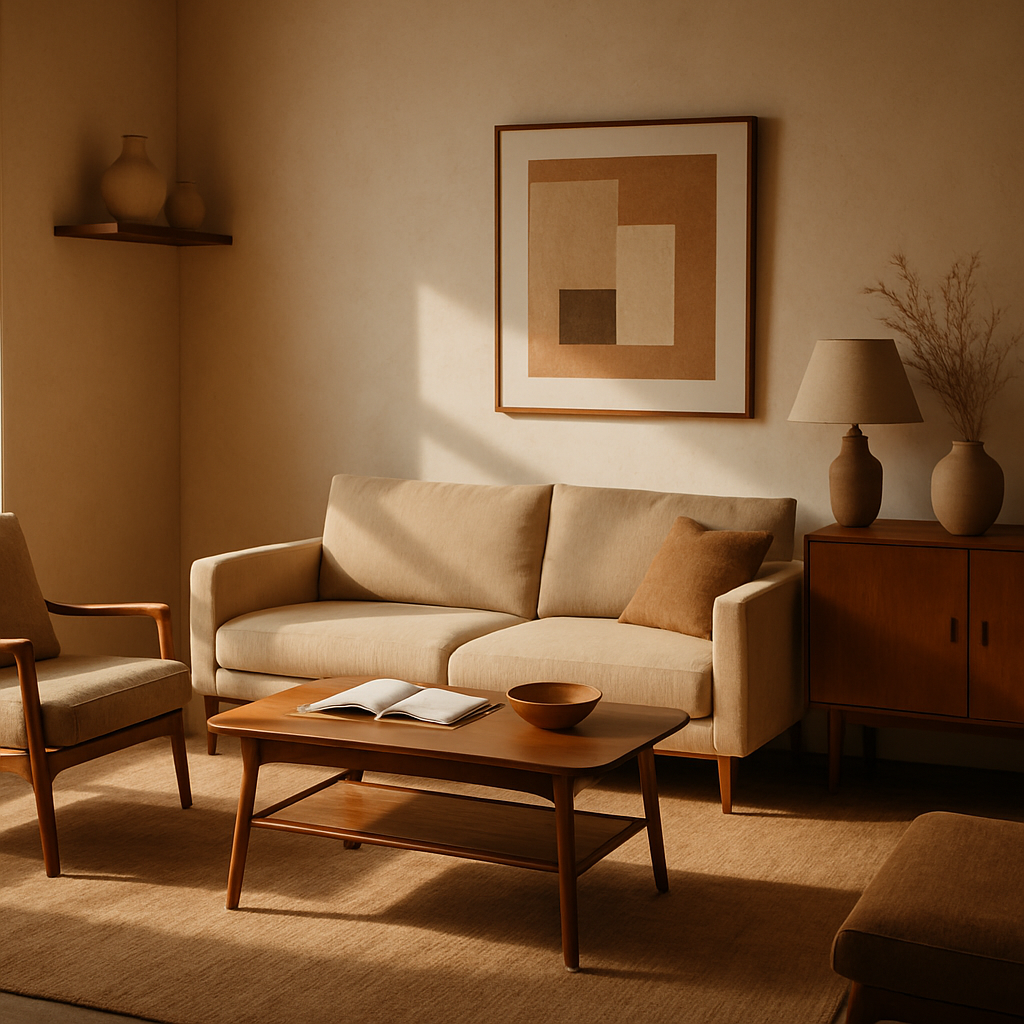
Have you ever walked into a room and felt an immediate sense of harmony or discord? According to the American Society of Interior Designers (ASID), well-executed interior design can increase a property's resale value by 5-15%. This statistic underscores the importance of understanding key design principles that can transform any space into a cohesive and aesthetically pleasing environment. In this article, we'll delve into ten essential principles from the Interior Design Handbook that you simply can't overlook. From foundational concepts to expert-level insights, these guidelines will empower you to create spaces that not only look stunning but also function seamlessly. Whether you're a homeowner embarking on a redesign or a design enthusiast looking to deepen your knowledge, these principles are your roadmap to success.
1. Balance: The Foundation of Design Harmony
Balance is a fundamental principle that ensures visual stability in a space. It involves distributing visual weight evenly, whether through symmetry, asymmetry, or radial designs. Symmetrical balance, often seen in traditional interiors, creates a mirror image effect, providing a sense of order and formality. Asymmetrical balance, on the other hand, uses different elements of similar weight to create a more dynamic and interesting composition, common in contemporary settings. Radial balance revolves around a central point and is less commonly used but can be highly effective in spaces like dining rooms or foyers.
How do you determine if your space is balanced? Experienced professionals often advise stepping back and squinting at the room. This technique helps to blur details and highlight whether one side appears heavier or lighter than the other. Balance isn't just about furniture placement; it also involves the careful arrangement of colors, textures, and patterns. For instance, a heavy, dark sofa can be balanced with lighter, more visually delicate chairs or a bright area rug. The key is to achieve a sense of equilibrium that feels right to the eye.
Why does balance matter so much? Without it, a room can feel chaotic or incomplete. Achieving balance is crucial because it affects how comfortable and inviting a space feels. A well-balanced room creates a sense of stability and order, making it more enjoyable for you and your guests. As we move to the next principle, think about how balance might already be playing a role in your home and where improvements could be made.
2. Scale and Proportion: The Art of Fit
Scale and proportion are about ensuring that objects in a room relate well to each other and to the space itself. Scale refers to the size of objects in relation to the room, while proportion refers to the size relationship between objects. For example, a large sectional sofa might overwhelm a small living room, while a tiny coffee table might look out of place in a large, open area. According to Houzz's annual survey, mismatched scale and proportion are among the top design mistakes homeowners make.
To get scale and proportion right, start by measuring your space. Knowing the dimensions of your room and the furniture you plan to include is crucial. Use painter's tape to outline where pieces will go as a visual guide. This practice can help prevent costly mistakes and ensure that each piece fits comfortably. Also, consider ceiling height when selecting furniture. Tall ceilings can accommodate larger pieces, while lower ceilings might require more streamlined, lower-profile options.
Getting scale and proportion right can dramatically affect the functionality and flow of a space. When done correctly, it enhances comfort and usability, making everyday tasks more enjoyable. As we explore the next principle, consider how scale and proportion play a role in your own design projects and where adjustments might be needed to improve harmony and function.
3. Rhythm: Guiding the Eye
Rhythm in interior design is about creating visual interest through repetition and contrast, guiding the viewer's eye around the room. This principle can be achieved through patterns, colors, textures, and forms that lead the eye from one element to another in a harmonious way. Consider how a series of framed prints might be spaced evenly along a hallway, or how alternating light and dark elements could create a pleasing pattern in a living room.
One actionable strategy to incorporate rhythm is to use repetition effectively. This could be as simple as repeating a color or material throughout the space. For instance, a room might feature brass accents in the form of lamps, picture frames, and drawer pulls. This repetition creates a cohesive look that draws all elements together. Contrast, another aspect of rhythm, can be introduced by juxtaposing different textures, such as a smooth leather sofa paired with a chunky knit throw.
Why is rhythm important? It provides a sense of movement and helps to create a narrative within a space. It can subtly guide visitors through a room, highlighting focal points and creating a feeling of progression. As we transition to the next principle, consider how rhythm might already be influencing your space and where you could introduce or enhance it for greater impact.
4. Emphasis: Creating a Focal Point
Every well-designed space needs a focal point-an eye-catching spot that draws attention and sets the tone for the room. Without a focal point, a room can feel disjointed and lack direction. Emphasis can be achieved through architectural features like a fireplace, a large piece of artwork, or even a stunning view through a window.
When selecting a focal point, consider what aspects of the room naturally draw attention. If the room has no inherent focal point, you can create one. For instance, a bold, colorful piece of art can serve as a focal point in an otherwise neutral room. According to Architectural Digest's AD PRO network, incorporating a strong focal point is a strategy favored by top interior designers to anchor a space.
The importance of emphasis cannot be overstated. It provides a starting point for design decisions, helping to guide the placement of furniture and decor. Once you establish a focal point, arrange other elements to complement and enhance it. This approach not only adds depth to the room but also helps to unify the design. As we move forward, consider how emphasis might play a role in your current or future projects.
5. Contrast: Adding Depth and Interest
Contrast involves using opposing elements, such as light and dark, smooth and rough, or large and small, to create visual interest. This principle can add drama and depth to a space, making it feel more dynamic. For example, a room with predominantly soft textures can benefit from the inclusion of a rough, rustic element, like a reclaimed wood coffee table, to create contrast.
One effective way to introduce contrast is through color. A dark accent wall can make lighter furniture pieces stand out, while a vibrant piece of decor can become a focal point in a monochromatic space. According to NCIDQ (National Council for Interior Design Qualification) certified designers, contrast is an essential tool for highlighting features and creating a layered look.
Why is contrast crucial in design? It prevents spaces from becoming monotonous and adds layers of visual intrigue. By playing with contrast, you can draw attention to specific areas or features, adding personality and character to the room. As we approach the next principle, think about how contrast is currently impacting your space and where you could make changes to enhance its overall appeal.
6. Final Thoughts: Bringing It All Together
As we wrap up our exploration of these essential interior design principles, it's important to remember that successful design is often about striking the right balance between these elements. Each principle-whether it's balance, scale, rhythm, emphasis, or contrast-contributes to the overall harmony and functionality of a space. How can you apply these principles to create a space that not only looks beautiful but also serves its purpose effectively?
Experienced designers often note that the best interiors tell a story, reflecting the personality and lifestyle of their inhabitants. As you embark on your design journey, consider how each principle can enhance your space and align with your vision. Remember, great design is not just about aesthetics; it's about creating environments that enrich our daily lives.
In conclusion, these principles offer a framework for making informed design decisions. By understanding and applying them, you can transform any space into a cohesive, inviting haven. As you reflect on these concepts, think about which principles resonate most with you and where you might begin implementing changes. Let's move into the conclusion to solidify these ideas and take action.
Conclusion: Taking the Next Step in Your Design Journey
Incorporating the ten essential principles from the Interior Design Handbook into your projects can elevate your space from ordinary to extraordinary. From understanding balance to mastering contrast, each principle plays a crucial role in shaping a room that's both functional and visually appealing. As you consider these concepts, ask yourself: How can these principles be applied to your current or future design projects? What changes can you make today to enhance your living environment?
Remember, successful interior design is a process that involves careful planning, creativity, and a willingness to experiment. Start by browsing portfolios on Houzz or exploring the AD PRO network for inspiration. Even 20 minutes of research will sharpen your eye for what you want. Consider consulting with a certified designer, such as those with NCIDQ credentials, to bring your vision to life.
Ultimately, the goal is to create spaces that not only look stunning but also improve your quality of life. By taking action and implementing these principles, you'll be well on your way to achieving a harmonious and inviting home. Start today, and watch as your space transforms into a true reflection of your style and personality.


Comments
Post a Comment