10 Essential Elements of Bauhaus Interior Design for Your Home
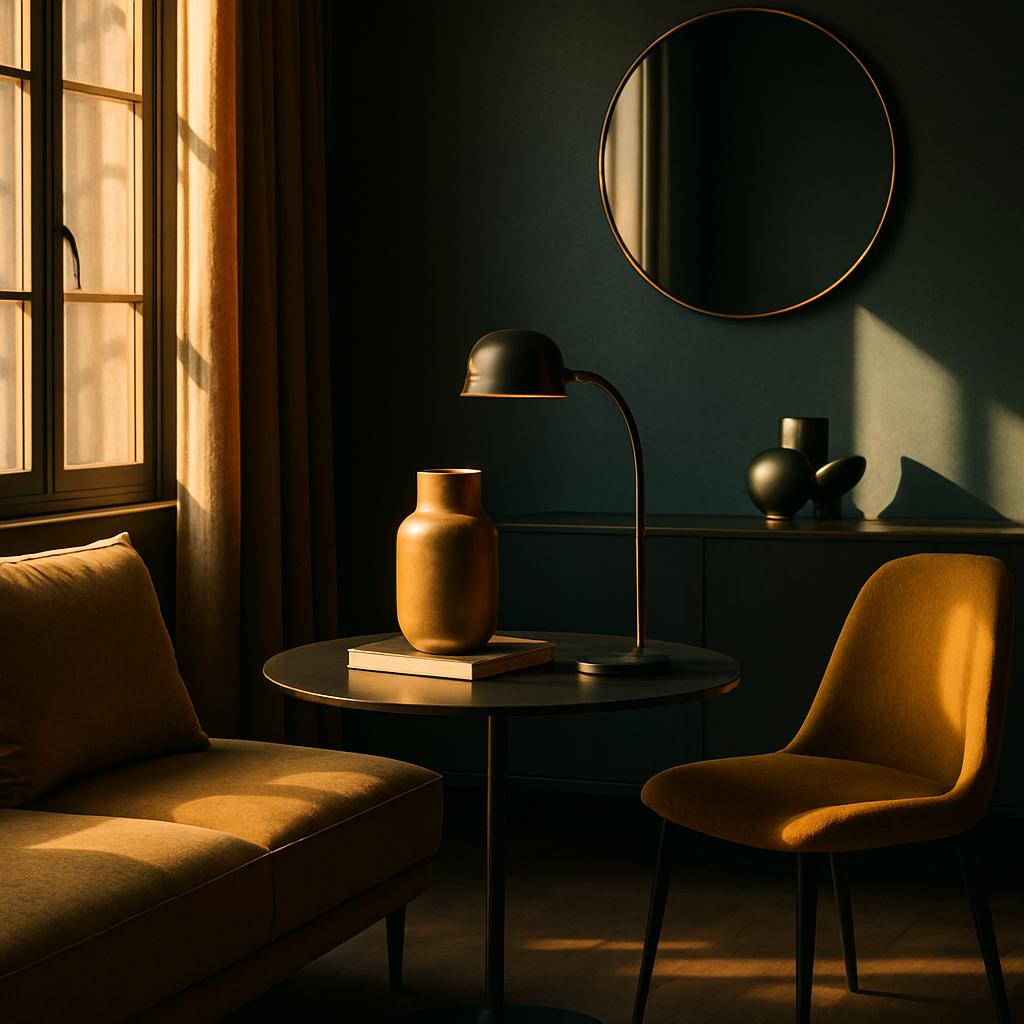
Have you ever walked into a space and been immediately struck by its effortless blend of functionality and elegance? That's the magic of Bauhaus interior design. Born out of the revolutionary Bauhaus School in early 20th-century Germany, this design philosophy prioritizes simplicity, utility, and beauty, resonating with modern homeowners seeking both style and practicality. In this article, we'll explore the ten essential elements that define Bauhaus design and how you can incorporate them into your home. From understanding its foundational principles to actionable strategies for your next redesign, let's delve into the world of Bauhaus and discover how this timeless style can transform your living spaces.
Understanding the Foundations of Bauhaus Design
The Bauhaus movement, established in 1919 by Walter Gropius, was a response to the ornate and elaborate styles that preceded it. At its core, Bauhaus interior design is about stripping away the superfluous and focusing on the essentials. This philosophy is grounded in the idea that form follows function, meaning that the design of an object should be based on its intended purpose. This principle is evident in everything from the clean lines of Bauhaus furniture to the open and airy layout of spaces.
One of the foundational tenets of Bauhaus design is the integration of art and technology. The movement emerged during a time of rapid industrialization, and designers sought to bridge the gap between traditional craftsmanship and mass production. This resulted in pieces that are not only aesthetically pleasing but also affordable and accessible to the masses. For example, the iconic Wassily Chair by Marcel Breuer uses tubular steel, a material that was innovative at the time, to create a lightweight, durable, and stylish piece.
Furthermore, the Bauhaus philosophy emphasizes the unity of all artistic disciplines. It seeks to abolish the distinction between fine art and applied arts, integrating architecture, sculpture, painting, and design into a cohesive whole. This holistic approach is why Bauhaus interiors often feel harmonious and balanced. They are carefully curated environments where each element-from furniture to lighting-works together seamlessly. As we move forward, consider how these principles might apply to your own spaces.
Exploring Bauhaus Design Through Data
To truly appreciate the impact of Bauhaus interior design, we can look at some intriguing data. According to recent surveys by Houzz, minimalist design styles, including Bauhaus, have seen a resurgence in popularity, with a 20% increase in homeowner interest over the past five years. This trend aligns with the broader move towards sustainable design practices and the desire for clutter-free living environments.
The influence of Bauhaus extends beyond mere aesthetics. The American Institute of Architects (AIA) notes that well-designed interiors, such as those inspired by Bauhaus principles, can lead to a 5-15% increase in home resale values. This is because the clean, functional designs appeal to a wide range of potential buyers, offering an aesthetic that is both timeless and adaptable to various personal tastes.
Metrics from the International Interior Design Association (IIDA) highlight that projects incorporating Bauhaus elements often see higher satisfaction rates among homeowners. The simplicity and functionality of these designs mean that spaces are not only visually appealing but also highly practical for everyday use. As we delve into actionable strategies, think about how these benefits could enhance your own home's value and livability.
Actionable Strategies for Incorporating Bauhaus Design
Ready to bring Bauhaus interior design into your home? Start by evaluating your existing furniture and décor. Ask yourself: does each piece serve a purpose? If not, it might be time to declutter. Opt for furniture with clean lines and simple forms, such as a sleek leather sofa or a glass coffee table with a steel frame. These pieces embody the Bauhaus principle of form following function.
Consider the color palette of your rooms. Bauhaus design typically favors a neutral base with pops of primary colors. This approach keeps the space calm and serene while allowing for moments of visual interest. You might paint a single wall in a rich blue or incorporate a bold red accent through cushions or artwork. Such thoughtful applications of color can energize a space without overwhelming it.
Lighting is another crucial aspect of Bauhaus interiors. Choose fixtures that are both functional and sculptural, such as an adjustable floor lamp with a geometric silhouette. Natural light should also be maximized, so keep window treatments minimal. As you make these changes, consider how each element complements the others, creating a cohesive and inviting environment.
Expert Insights on Bauhaus Design
Experienced professionals often note that one of the most significant advantages of Bauhaus interior design is its adaptability. According to the NCIDQ (National Council for Interior Design Qualification), a credential held by top designers, Bauhaus elements can be seamlessly integrated into various architectural styles. This makes it an excellent choice for both new constructions and renovations.
Experts from Architectural Digest's AD PRO network emphasize the importance of quality materials in Bauhaus design. While the movement advocates for simplicity, it also stresses durability and craftsmanship. Invest in pieces made from materials like chrome, leather, and glass, which are not only visually appealing but also stand the test of time. These investments are key to maintaining the integrity of Bauhaus aesthetics.
Moreover, the integration of technology is a modern extension of the Bauhaus ethos. Smart home systems that control lighting, climate, and security can enhance the functionality of a Bauhaus-inspired space. By using technology to streamline daily tasks, you align with the movement's original goal of improving quality of life through design. As we explore further, think about how technology could play a role in your design choices.
Diving Deeper into Bauhaus Elements
For those seeking additional depth in their design journey, understanding the specific elements that define Bauhaus interiors can be incredibly rewarding. Start with the use of geometric shapes, a hallmark of Bauhaus design. Whether through patterned rugs or modular shelving, incorporating circles, squares, and triangles can add visual interest without cluttering the space.
Textiles also play an essential role in Bauhaus interiors. Look for fabrics with bold patterns or textures that can serve as focal points in an otherwise minimalist room. A throw with a checkerboard pattern or a cushion with a zigzag design can introduce dynamic energy while staying true to the movement's aesthetic principles.
Finally, consider the role of industrial materials. Bauhaus design often incorporates materials like steel and concrete, which lend an urban edge to interior spaces. These materials can be softened with the addition of natural elements like wood or plants, creating a balanced environment that feels both modern and inviting. As we wrap up, reflect on how these elements could enhance your personal spaces.
Final Perspectives on Bauhaus Design
Incorporating Bauhaus interior design into your home is more than just a stylistic choice; it's a commitment to a lifestyle that values efficiency, simplicity, and elegance. As you embark on this design journey, consider how each choice you make can contribute to a more harmonious and functional living space. The principles of Bauhaus can help you cultivate an environment that not only looks good but also supports your everyday life.
Remember that Bauhaus design is not about rigid adherence to rules but about finding balance and coherence. Whether you're undertaking a full home renovation or simply refreshing a single room, the flexibility of Bauhaus allows you to adapt its elements to suit your personal needs and tastes. Are you ready to embrace this iconic style in your own home?
In the conclusion, we'll summarize the key points and offer a clear next step for those eager to start their Bauhaus design journey.
Conclusion: Bringing Bauhaus to Life in Your Home
Bauhaus interior design offers a timeless framework for creating spaces that are both beautiful and functional. By understanding its foundational principles, leveraging data on its benefits, and incorporating expert strategies, you can transform your home into a modern masterpiece. As you contemplate your next design project, consider starting with a key piece of Bauhaus furniture or a strategic use of color to set the tone for your space.
To get started, browse portfolios on platforms like Houzz to gather inspiration and see how other homeowners have successfully integrated Bauhaus elements. Spend time researching designers with credentials like NCIDQ or affiliations with ASID (American Society of Interior Designers). Even dedicating 20 minutes this week to exploring these resources can sharpen your eye for design and guide your next steps.
So, are you ready to embrace the simplicity and elegance of Bauhaus interior design? Start your journey today, and watch as your home transforms into a space that truly reflects the harmony of form and function.


Comments
Post a Comment