10 Essential Elements of Authentic Tuscan Interior Design for Your Space
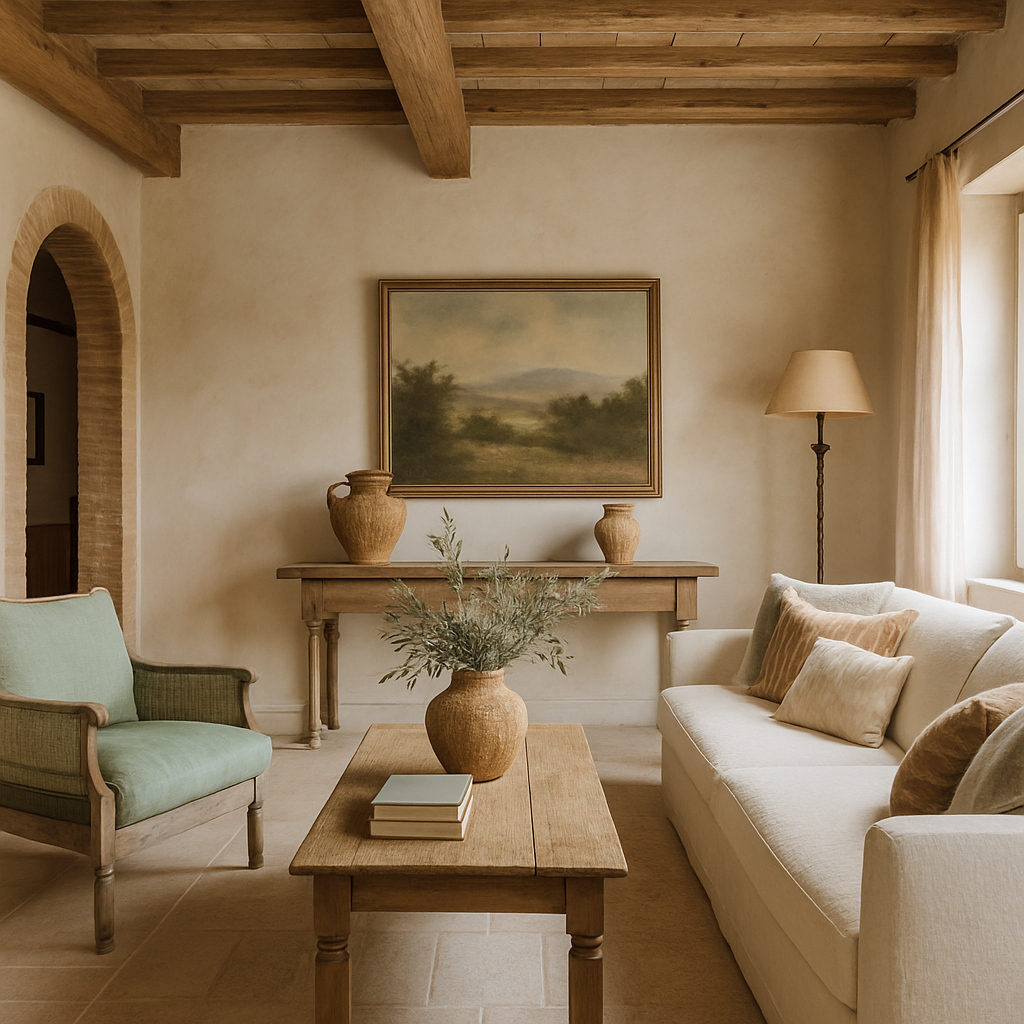
Imagine stepping into a room bathed in the warm, earthy hues of terracotta, where the rustic charm of old-world Italy meets the comfort of modern living. This is the essence of Tuscan interior design, a style that has captivated homeowners worldwide. According to Houzz's annual survey, the demand for rustic and Mediterranean-inspired interiors has risen by over 20% in recent years. With its emphasis on natural materials, rich textures, and timeless elegance, Tuscan design offers a retreat from the hustle and bustle of contemporary life. This article will explore the foundational concepts of Tuscan design, analyze its key elements, and provide actionable strategies for incorporating them into your home. We'll also delve into expert insights and additional details to ensure your space authentically reflects this beloved aesthetic.
Understanding the Foundation of Tuscan Interior Design
The foundation of Tuscan interior design lies in its roots, drawing inspiration from the rolling hills of Tuscany and its rustic countryside homes. This design style is characterized by its use of natural materials such as stone, wood, and wrought iron. These materials not only bring a touch of nature indoors but also create a sense of warmth and timelessness. A signature element of Tuscan interiors is the use of terracotta tiles. Known for their rich, earthy tones, terracotta tiles add depth and character to any space, making them a staple in flooring and decorative accents.
Another hallmark of Tuscan design is the emphasis on earthy color palettes. Think warm yellows, deep reds, and olive greens that mimic the sun-drenched landscapes of Tuscany. These colors are used to create a cozy and inviting atmosphere, often accented by splashes of blue reminiscent of the Mediterranean Sea. The use of texture is also crucial in this style; walls are frequently finished with Venetian plaster or stucco, adding an authentic rustic feel. Do you feel drawn to these natural hues and textures? If so, Tuscan design might be the perfect fit for your home.
Incorporating these elements into your home requires an understanding of balance. Tuscan interiors blend the old with the new, mixing antique pieces with modern comforts for a harmonious look. Experienced professionals often note that the key to achieving this balance is to avoid clutter while allowing each piece to stand out. From exposed wood beams to wrought iron fixtures, each element should contribute to the overall aesthetic without overwhelming the space. As we move forward, we'll explore how to integrate these foundational concepts with data-driven insights.
Analyzing Key Elements with a Deeper Insight
When analyzing the key elements of Tuscan interior design, one must consider the role of architectural details. High ceilings with exposed wooden beams are a quintessential feature, often seen in traditional Tuscan villas. These beams add both structural integrity and visual interest, creating a sense of grandeur and openness. According to a report by the American Institute of Architects (AIA), incorporating exposed beams can increase a home's aesthetic value and appeal to potential buyers, enhancing the overall return on investment.
Another essential element is the incorporation of arched doorways and windows. These features evoke the classic architecture of Tuscany, where curves and arches are prominent. Not only do they add elegance, but they also allow for greater light flow, connecting indoor spaces with the natural world outside. Industry surveys suggest that natural light is a top priority for homeowners, with over 60% expressing a preference for homes with ample daylight. By integrating arched elements, homeowners can achieve both aesthetic beauty and functional light enhancement.
The importance of texture cannot be overstated in Tuscan design. Rough-hewn stone walls, textured plaster finishes, and rustic wooden floors create a tactile experience that invites touch and interaction. This focus on texture is not just about aesthetics; it also serves to create a multi-sensory environment that feels lived-in and welcoming. As we continue, we'll explore actionable strategies for bringing these elements into your home, ensuring your space captures the essence of Tuscany.
Implementing Actionable Strategies for Your Space
To successfully implement Tuscan interior design in your home, start by focusing on one room at a time. Select a space where you can introduce key design elements without overwhelming the existing decor. A kitchen, for example, is an ideal starting point due to its natural connection with food and family - central themes in Tuscan living. Begin by adding wrought iron details, such as light fixtures or cabinet handles, which lend an authentic touch. Additionally, consider replacing modern tiles with terracotta to instantly transform the space.
Furniture selection is another crucial aspect. Opt for pieces crafted from natural materials like wood or wrought iron, and seek out items with a distressed finish to mimic the aged look typical of Tuscan furniture. Upholstery should feature rich, earthy tones, and natural fabrics like linen or cotton. Experienced professionals suggest mixing and matching vintage and antique pieces to create a curated, collected-over-time appearance. By doing so, you'll ensure each piece contributes to the overall ambiance without clashing.
Accessorizing is the final step in bringing your Tuscan design to life. Incorporate elements such as ceramic pottery, colorful mosaics, and art depicting rural Italian landscapes. These items add layers of interest and reflect the region's rich cultural heritage. Don't forget to include plants, whether real or faux, to introduce a touch of greenery that complements the earthy color palette. As we proceed, let's delve into expert-level details that will elevate your design game even further.
Expert-Level Insights to Elevate Your Design
For those looking to delve deeper into Tuscan interior design, consider the integration of biophilic elements. This trend, which emphasizes a connection with nature, aligns perfectly with Tuscan aesthetics. Introduce large potted plants or even a living wall to create a seamless indoor-outdoor flow. According to the International Interior Design Association (IIDA), biophilic design can enhance well-being and productivity, making it a valuable addition to any home.
Lighting is another area where you can infuse expert-level detail. Opt for warm, ambient lighting to enhance the welcoming atmosphere characteristic of Tuscan homes. Chandeliers with wrought iron detailing or lamps with hand-painted ceramic bases can serve as focal points. Consider installing dimmer switches to adjust lighting levels based on the time of day and activity, allowing for both functional and mood lighting.
Lastly, technology can be harmoniously integrated into a Tuscan design without disrupting its aesthetic. Experienced designers now use AR/VR room visualization tools to help clients plan their spaces with precision. Smart home technology, such as automated window treatments or climate control systems, can be subtly incorporated to enhance comfort while maintaining the rustic charm. As we move into additional depth, you'll discover further nuances that make Tuscan interiors truly unique.
Delving into Additional Depth of Tuscan Interiors
An often-overlooked element of Tuscan interior design is the use of textiles and soft furnishings. From heavy drapes to intricately patterned rugs, textiles play a significant role in adding warmth and comfort. Choose fabrics that are rich in texture and color, such as deep reds, golds, and earthy greens, to complement the overall palette. These textiles should be layered in a way that feels natural and inviting, enhancing the lived-in quality that defines Tuscan spaces.
The strategic use of art and decor is another layer of depth to explore. Opt for pieces that reflect the cultural and historical richness of Tuscany. Oil paintings depicting pastoral scenes, wrought iron wall decor, and artisanal crafts can all contribute to the authenticity of your design. According to Architectural Digest's AD PRO network, incorporating locally sourced art and decor not only supports artisans but also adds a unique, personalized touch to each room.
Finally, consider the sensory aspects of your space. The scent of lavender or rosemary, often used in Italian kitchens, can be introduced through candles or essential oil diffusers. These scents evoke the Tuscan countryside and add an aromatic dimension to your design. By attending to these details, you ensure that every aspect of your space captures the essence of Tuscany. As we wrap up, let's consider the broader impact of these design choices.
Final Perspectives on Tuscan Interior Design
Embracing Tuscan interior design is more than just an aesthetic choice; it's an invitation to create a home that feels warm, inviting, and timeless. Each element, from the warm color palette to the rustic textures, contributes to a sense of place that is both comforting and sophisticated. By understanding and implementing these elements, you can transform your home into a personal retreat that reflects the charm of the Tuscan countryside.
As you embark on this design journey, consider how these principles can be adapted to fit your lifestyle. Whether you're updating a single room or undertaking a full-home renovation, the core tenets of Tuscan design offer a framework for creating spaces that are both beautiful and functional. Engaging with resources like the ASID directory can also connect you with certified interior designers who specialize in this style, ensuring your project is executed with expertise.
Are you ready to bring the essence of Tuscany into your home? With the right approach, your space can become a sanctuary that embodies the spirit of Italian living. In the conclusion, we'll focus on taking actionable steps to start your Tuscan transformation today.
Conclusion: Start Your Tuscan Transformation
Tuscan interior design offers a timeless appeal that blends rustic charm with elegant sophistication. By focusing on natural materials, earthy color palettes, and authentic architectural details, you can create a space that feels both inviting and refined. Remember, the key to success is in the details - from the choice of textiles to the integration of biophilic elements.
Your journey towards a Tuscan-inspired home begins with a single step. Start by browsing portfolios on Houzz this week - even 20 minutes of research will sharpen your eye for what you want. Consider reaching out to local AIA chapters for recommendations on architects experienced in Tuscan design. With thoughtful planning and expert guidance, your home can transform into a serene retreat that captures the essence of Tuscany.


Comments
Post a Comment