10 Essential Elements for Perfecting Rustic Interior Design in Your Home
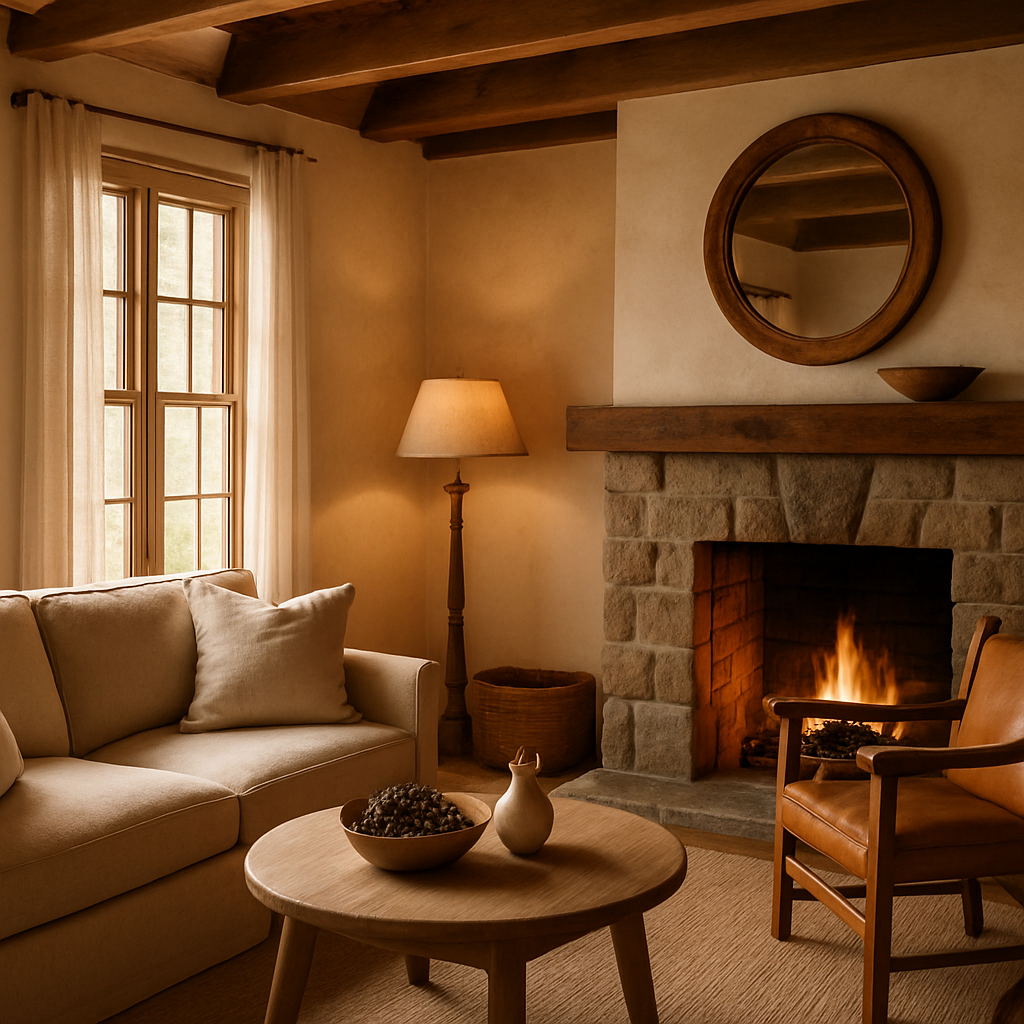
Imagine walking into a room that feels like a warm embrace, where every element whispers tales of nature and time. Rustic interior design offers this unique charm, seamlessly blending the raw beauty of natural materials with the comfort of modern living. Industry surveys suggest that incorporating rustic elements can significantly enhance your home's appeal, potentially increasing its resale value by 5-15%. But how do you achieve that perfect rustic look in your home? This article will unravel the ten essential elements that define rustic interior design, providing you with the guidance needed to transform your space into a cozy retreat.
Understanding the Foundation of Rustic Design
At its core, rustic interior design is about embracing the beauty of imperfection. It celebrates natural materials, aged surfaces, and a sense of history. The foundation of this design style lies in its authenticity, drawing inspiration from the simplicity of rural life. It's not just about the visual appeal but also the tactile experience - think rough-hewn wood, stone walls, and woven textiles.
One of the primary characteristics of rustic design is its use of natural materials. Wood is a staple, often showcased in exposed beams, reclaimed furniture, and wide-plank floors. Stone, whether used for a fireplace or as an accent wall, adds to the earthy feel. Moreover, textiles such as wool, linen, and cotton introduce warmth and texture. These materials are not just aesthetic choices; they also connect the inhabitants to the natural world.
Color palettes in rustic design are typically muted and draw from nature. Earthy tones like browns, greens, and grays dominate, often accented by warm reds or deep blues. These colors create a calming environment, grounding the space in a natural palette. Understanding these foundational elements is crucial as they set the stage for a cohesive rustic design.
Embracing Imperfection: The Beauty of Natural Wear
Rustic design thrives on the beauty of imperfection. While some design styles prioritize sleek and polished surfaces, rustic interiors celebrate the opposite. Wear and tear, visible grain patterns, and natural blemishes are not flaws but instead tell a story. According to Houzz, many homeowners find that the imperfections in rustic materials add character and authenticity to their homes.
This appreciation for natural wear extends to furniture and decor. Vintage or antique pieces with a history can become focal points, offering a sense of nostalgia. Furniture with distressed finishes or weathered edges further enhances the rustic charm. By embracing these elements, you create a space that feels lived-in and welcoming.
But why does this matter to you? Consider how these elements can make your home feel more inviting and genuine. Wouldn't you prefer a space that reflects a rich history and personal story rather than one that feels mass-produced? The imperfections in rustic design are what make it timeless and relatable, offering comfort in a world that often demands perfection.
Incorporating Practical Strategies for a Rustic Look
Achieving a rustic interior design involves more than just selecting the right materials. It's about creating a cohesive look that resonates with your lifestyle. One practical strategy is to focus on layering textures. Combine different materials like wood, stone, and textiles to add depth and interest to your space. Layering rugs, throws, and cushions can also enhance the cozy, lived-in feel.
Lighting is another crucial aspect. Opt for fixtures that complement the rustic aesthetic, such as wrought iron chandeliers or vintage-inspired lanterns. Soft, ambient lighting can enhance the warm and inviting atmosphere. Experienced professionals often note that strategically placed lighting can dramatically transform a room's ambiance.
Furthermore, integrating nature into your home is a powerful strategy in rustic design. This could mean incorporating indoor plants, using natural elements like branches or stones in decor, or even designing spaces that blur the line between indoors and outdoors. By doing this, you not only enhance the rustic appeal but also promote a sense of tranquility and connection to nature.
Expert Insights on Achieving Authenticity
Achieving authenticity in rustic design requires a discerning eye and a commitment to quality materials. According to the American Society of Interior Designers (ASID), investing in high-quality, sustainable materials is crucial. Not only do these materials age gracefully, but they also contribute to a healthier indoor environment.
Another expert insight is to focus on craftsmanship. Handcrafted items, whether they are furniture, textiles, or decorative pieces, add a layer of authenticity that mass-produced items cannot match. Look for local artisans or craftspeople whose work reflects the rustic aesthetic you desire.
Finally, don't overlook the power of personal touches. Incorporate family heirlooms, travel souvenirs, or personal artwork into your design. These elements personalize your space and ensure that it truly reflects your story. Remember, rustic design is about creating a home that feels both timeless and personal.
Additional Considerations for a Refined Rustic Look
While rustic design is inherently informal, achieving a refined look requires careful curation. Balance is key. Combine rustic elements with modern touches to avoid creating a space that feels too dated. For instance, pairing a rustic wood table with sleek, modern chairs can create a harmonious blend of old and new.
Consider the role of modern technology in your rustic design. Smart home integration, such as programmable lighting or automated window treatments, can enhance functionality while maintaining the rustic aesthetic. This fusion of rustic charm with modern convenience is at the forefront of current design trends.
Another consideration is sustainability. Incorporating reclaimed or recycled materials not only supports environmental responsibility but also adds unique character to your home. According to Houzz's annual survey, many homeowners are seeking sustainable options in their design choices, aligning with the rustic ethos of authenticity and connection to nature.
Final Perspectives on Rustic Interior Design
Perfecting rustic interior design in your home is a journey of creativity and personal expression. It requires a thoughtful approach to materials, design elements, and personal touches. As you embark on this journey, ask yourself: How does each element contribute to the overall feeling of warmth and authenticity in your home?
Remember, rustic design is not about replicating a look from a magazine but about creating a space that feels uniquely yours. It's about finding beauty in imperfection and comfort in the familiar. By focusing on authenticity and quality, you ensure that your rustic design remains timeless.
As you refine your space, consider the impact of each change. How does it make you feel? Does it enhance the sense of home? These questions will guide you in creating a rustic interior that is both beautiful and meaningful.
Conclusion: Bringing Rustic Design to Life
Incorporating rustic interior design into your home is a rewarding endeavor that combines the charm of the past with the comforts of the present. By focusing on natural materials, embracing imperfections, and integrating personal touches, you can create a space that is both inviting and authentic. Rustic design offers an opportunity to craft a home that resonates with your personal history and lifestyle.
Are you ready to transform your space? Start by exploring platforms like Houzz and Instagram for inspiration. Pay attention to how designers integrate rustic elements into their projects. Even 20 minutes of research can sharpen your eye for what you want. By taking this first step, you move closer to creating a home that truly represents you.


Comments
Post a Comment