10 Essential Elements for Achieving Modern Rustic Interior Design
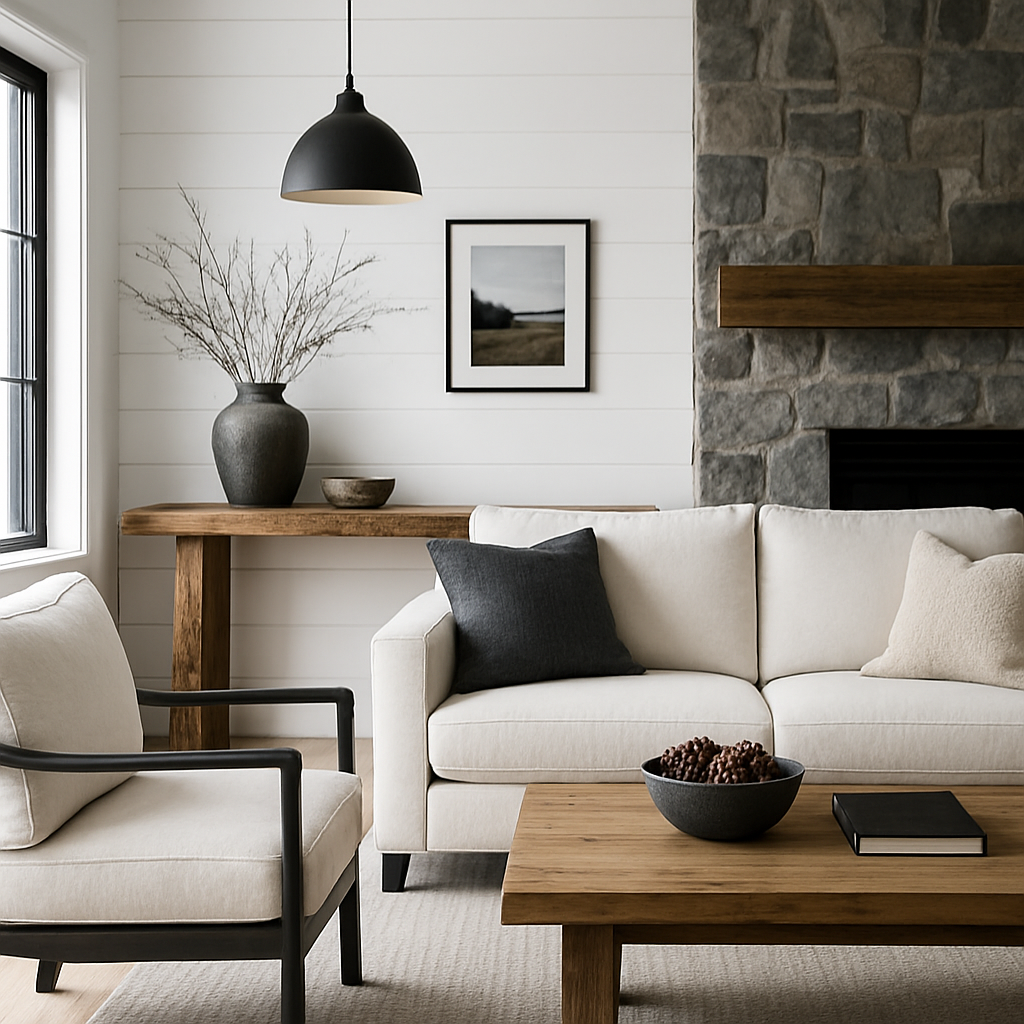
Imagine stepping into a space where the rugged charm of rustic design meets the sleek sophistication of modern aesthetics. This is the allure of modern rustic interior design, a style that's captivating homeowners and designers alike. According to the American Society of Interior Designers (ASID), homeowners are increasingly drawn to designs that harmonize natural materials with contemporary elements. This article will explore the ten essential elements of modern rustic design, offering both foundational concepts and detailed strategies to transform your space.
We'll begin by discussing the foundational elements that define this style, followed by an analysis supported by data on its growing popularity. Next, you'll find actionable strategies to incorporate these elements into your home, along with expert insights and additional details to deepen your understanding. Finally, we'll wrap up with some concluding thoughts to guide you in your design journey.
Understanding the Foundation of Modern Rustic Design
Modern rustic interior design is grounded in the balance of contrasting elements: the warmth of natural materials and the sleekness of modern design. At its core, this style emphasizes simplicity, comfort, and the use of organic elements. Think exposed wooden beams, stone accents, and large windows that invite natural light. These elements are often complemented by clean lines and minimalistic furniture to achieve a harmonious blend.
One key aspect of modern rustic design is its emphasis on open spaces. By removing unnecessary walls and opting for an open floor plan, you create a sense of flow that enhances the natural beauty of the materials used. This open concept not only maximizes space but also facilitates a seamless integration of indoor and outdoor living areas, a hallmark of biophilic design trends emphasized by platforms like Houzz.
Color palettes in modern rustic interiors typically draw from the natural world. Earthy tones such as browns, greens, and beiges dominate, creating a calming and inviting atmosphere. These colors are often punctuated with the occasional bold accent to add depth and interest. As you consider your design, ask yourself: How do these foundational elements resonate with your vision for your home?
The Rise of Modern Rustic Design: A Data-Driven Perspective
Modern rustic design is not just a fleeting trend; it's a style rooted in a growing preference for sustainable and meaningful living spaces. According to a recent Houzz survey, nearly 45% of homeowners expressed a desire to incorporate more natural materials into their homes, reflecting a significant shift towards biophilic design principles.
The appeal of modern rustic design lies in its ability to create spaces that feel both current and timeless. The National Council for Interior Design Qualification (NCIDQ) reports that design professionals are increasingly combining sustainable materials with modern technology to meet the demands of environmentally conscious clients. This approach not only enhances aesthetic appeal but also contributes to long-term property value, with well-designed rustic interiors reportedly yielding a 10-15% increase in resale value.
Furthermore, platforms like Pinterest and Instagram have played a pivotal role in popularizing modern rustic design. These platforms offer endless inspiration, showcasing how rustic elements can be seamlessly integrated into modern homes. As you explore these resources, consider how you might incorporate similar elements into your own space. What natural materials and design elements appeal most to you?
Actionable Strategies for Incorporating Modern Rustic Design
To bring modern rustic design into your home, start by focusing on the materials. Reclaimed wood, stone, and metal are quintessential elements that add character and warmth. Consider using reclaimed wood for flooring or exposed beams; these not only enhance the rustic feel but also contribute to sustainability efforts.
Next, think about your furnishings. Opt for pieces that combine comfort with style, such as a plush leather sofa paired with a sleek metal coffee table. This juxtaposition creates a dynamic yet cohesive look. Lighting also plays a crucial role; incorporate fixtures that offer a modern touch, like pendant lights with industrial finishes or lamps with clean lines.
Don't forget about the smaller details. Incorporate textiles such as wool or linen in throws and pillows to add texture and warmth. Consider how you might use these elements to create a space that reflects your personal style. What textures and materials do you find most inviting?
Expert Insights into Modern Rustic Design
Experienced professionals often note that the key to modern rustic design is balance. The International Interior Design Association (IIDA) suggests that blending old with new requires a keen eye for detail. Incorporate antiques or vintage pieces sparingly to avoid overwhelming the space. A vintage rug, for instance, can add a touch of history without detracting from modern elements.
Another expert tip is to embrace imperfections. Natural materials such as wood and stone have inherent variations that add character and authenticity. According to Architectural Digest's AD PRO network, these imperfections are celebrated in modern rustic design, contributing to a lived-in, welcoming atmosphere.
Finally, consider the use of technology. Smart home integration can enhance the functionality of your rustic space without compromising its aesthetic. Automated lighting, climate control, and window treatments offer convenience while maintaining the clean lines and simplicity of modern design. How might you integrate technology into your rustic home?
Diving Deeper: Additional Insights into Modern Rustic Design
Modern rustic design often incorporates elements of Japandi style, which blends Japanese minimalism with Scandinavian warmth. This hybrid approach focuses on simplicity and functionality, using sustainable materials to create spaces that are both beautiful and practical. Consider how the principles of Japandi might inform your design choices.
Lighting is another critical component. In addition to natural light, consider using fixtures that highlight the rustic elements of your home. Chandeliers made of wrought iron or pendant lights crafted from reclaimed materials can add a modern edge while complementing the rustic aesthetic.
Finally, pay attention to your home's architectural features. Exposed brick walls, wooden ceiling beams, and large windows can enhance the rustic feel while maintaining modern sensibilities. These features not only add visual interest but also increase the home's value and appeal. Have you considered how your home's architecture can enhance your design?
Final Perspectives on Achieving Modern Rustic Design
Achieving a modern rustic interior requires a thoughtful balance of elements that may at first seem contradictory. By prioritizing natural materials and open spaces, and incorporating modern conveniences, you can create a home that feels warm and inviting yet chic and sophisticated.
Remember, the process is as much about personal expression as it is about following design principles. Use the information and strategies provided to guide your choices, but ensure that the end result reflects your taste and lifestyle. What personal touches will you add to make the space truly your own?
As you embark on this design journey, consider how each element contributes to the overall harmony of your space. From the materials you choose to the furniture you select, every decision plays a part in achieving the desired balance of rustic charm and modern elegance.
Conclusion
In creating a modern rustic interior, you blend the past with the present, crafting spaces that are both timeless and trendy. By understanding the foundational elements, analyzing trends, and applying expert strategies, you can achieve a design that resonates with your personal style and enhances your living environment.
As you begin your project, take a moment to assess your space. Start by browsing portfolios on Houzz or Instagram this week; even 20 minutes of research can sharpen your eye for what you want. What will be your first step in transforming your home into a modern rustic haven?


Comments
Post a Comment