Vastu Shastra Tips for Placing Your Home Office Desk Correctly
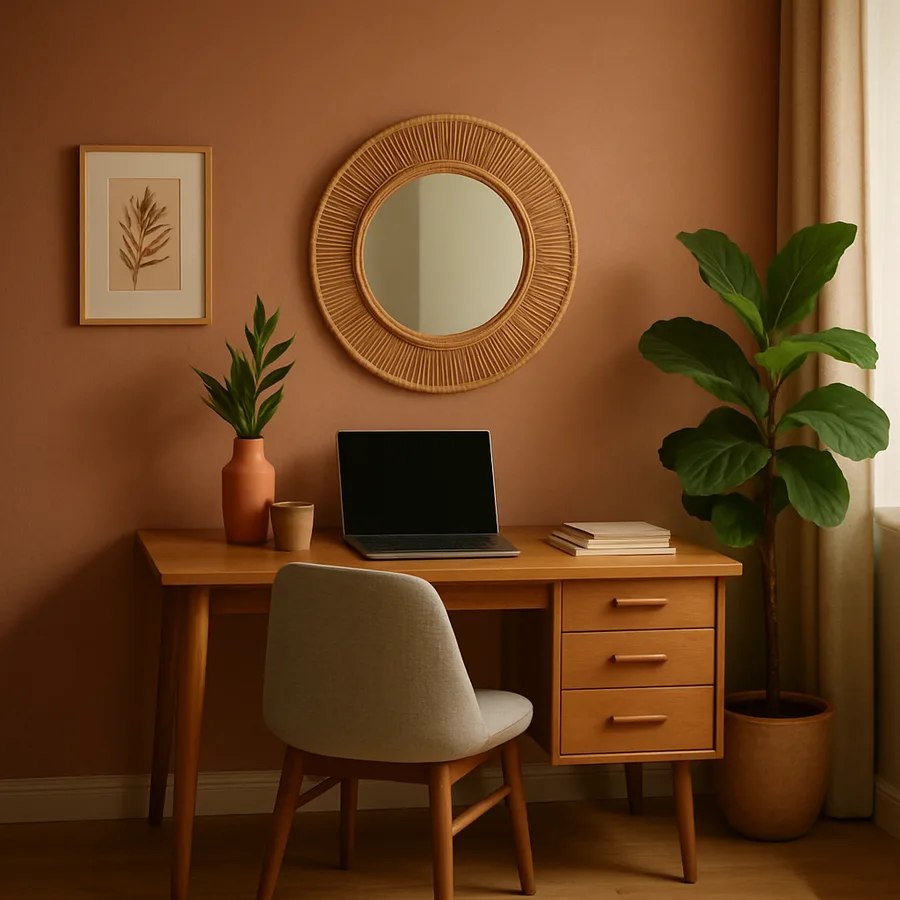
What Vastu Shastra Brings to Home Office Design
Vastu Shastra is an ancient Indian architectural science that dates back over 5,000 years to the Vedic period. The term translates roughly to "science of dwelling," and its principles govern the spatial arrangement of buildings and rooms to align with natural forces including sunlight, magnetic fields, and elemental energies. While Vastu Shastra traditionally guided the construction of temples, palaces, and homes across the Indian subcontinent, its principles have found renewed relevance in contemporary interior design, particularly as remote work has made the home office a permanent feature of modern life.
The Indian Institute of Architects (IIA) recognizes Vastu Shastra as a legitimate discipline within architectural planning, and a growing number of certified Vastu consultants work alongside interior designers to optimize residential and commercial spaces. According to a survey conducted by the International Association of Home Staging Professionals, interest in holistic and energy-based design approaches has increased by approximately 35 percent since the widespread shift to remote work. Homeowners are looking beyond ergonomic chairs and monitor arms for ways to make their workspaces feel supportive on a deeper level.
The home office is a space where mental clarity, sustained focus, and creative energy are paramount. Vastu Shastra addresses these needs through specific guidelines about desk orientation, room selection, color palettes, and the placement of objects within the workspace. Unlike purely aesthetic decisions, Vastu-based placement aims to harness directional energies that practitioners believe influence cognitive function, emotional balance, and professional success. Whether you approach these guidelines as metaphysical truth or as a structured framework for intentional space design, the practical outcomes often speak for themselves.
This guide distills the most widely agreed-upon Vastu Shastra recommendations for home office desk placement into actionable steps. The principles come from classical Vastu texts as interpreted by organizations such as the Vastu Shastra Research Foundation and the American Institute of Vastu Shastra, ensuring the advice reflects authentic tradition rather than diluted pop-culture interpretations.
Choosing the Right Room and Quadrant for Your Office
Before positioning the desk itself, Vastu Shastra prescribes which area of the home is most suitable for an office. The west, south-west, or south portions of the house are considered ideal for a home office because these directions are associated with stability, authority, and grounded decision-making in Vastu cosmology. The south-west quadrant in particular is linked to the earth element, which promotes patience and strategic thinking, qualities essential for productive work. If your home layout allows you to choose among multiple rooms, selecting one in these zones provides the foundational advantage that Vastu recommends.
The north and north-east zones, by contrast, are associated with water energy and spiritual contemplation. Vastu practitioners generally advise against placing a primary work office in these areas because the energy is considered too fluid and meditative for focused professional tasks. However, creative professionals such as writers, artists, and musicians may find the north-east zone supportive of their work precisely because it encourages imaginative flow rather than rigid structure. The key is matching the room's directional energy to the nature of the work performed there.
If you have no choice about which room serves as your office, perhaps because you live in a one-bedroom apartment or the spare room is on the "wrong" side of the house, Vastu offers compensatory measures. Placing heavier furniture in the south-west corner of whatever room you use anchors the earth energy that Vastu associates with professional stability. A bookshelf, filing cabinet, or heavy wooden desk in that corner symbolically activates the grounding qualities even if the room itself is in the north or east zone of the home.
Do you know which direction your home office faces? Determining this is simpler than most people assume. Stand in the center of the room with a compass app on your phone and note which direction each wall faces. The wall your desk will back against and the direction you face while seated are the two most critical orientations in Vastu office planning. Record these before moving to the next step of desk placement, as every subsequent recommendation depends on accurate directional awareness.
Desk Orientation: Which Direction to Face While Working
The direction you face while seated at your desk is the single most emphasized element in Vastu Shastra office design. The universally recommended facing directions are north and east. Facing north aligns the worker with the magnetic pole, which Vastu associates with clarity of thought and financial prosperity. Facing east places the worker in the path of the rising sun's energy, associated with new beginnings, vitality, and creative inspiration. The Architectural Digest India edition has featured multiple home office makeovers where Vastu-compliant north or east-facing desk orientation was the central design decision.
Facing south while working is the most strongly discouraged orientation in Vastu Shastra. South-facing desks are believed to attract conflict, obstacles, and stagnation in professional endeavors. Practitioners report that clients who switched from south-facing to north-facing desk positions frequently describe improved concentration and reduced work-related stress within weeks. While controlled scientific studies specifically on desk orientation are limited, the consistency of reported outcomes across thousands of Vastu consultations suggests a pattern worth taking seriously.
The north-east diagonal is considered an auspicious compromise when pure north or east facing is not architecturally feasible. This direction combines the mental clarity of north with the creative vitality of east, making it particularly well suited for professionals whose work requires both analytical and creative thinking. Financial advisors, project managers, architects, and educators are among the professions that Vastu texts specifically associate with the north-east orientation.
West-facing desks occupy a middle ground in Vastu assessment. They are not as beneficial as north or east orientations but are considered acceptable, particularly for established professionals who are maintaining rather than building their careers. The west direction is associated with the energy of results and completion, making it suitable for people in senior roles who oversee projects rather than initiate them. If west is your only option, Vastu practitioners recommend enhancing the space with objects that attract north and east energy, such as a small water feature in the north corner of the desk or a lamp on the eastern side.
Wall Support, Open Space, and What Goes Behind You
Vastu Shastra places significant importance on what lies behind the seated worker. The ideal configuration has a solid wall behind your back when you sit at the desk, with no window, door, or open space directly behind the chair. This wall represents support, stability, and protection in Vastu symbolism, analogous to having a strong backing in professional life. Practitioners draw a parallel to natural instinct: humans feel more secure and focused when their back is protected, a tendency rooted in evolutionary alertness patterns.
A window directly behind your desk chair is considered a Vastu deficiency because it represents instability and the leaking of productive energy outward. If your room configuration places a window behind the desk and no alternative arrangement exists, mitigate the issue by keeping the window covered with opaque curtains or blinds during work hours. A high-backed chair also creates a symbolic wall of support between the worker and the open window. The Houzz home office design gallery showcases numerous examples of high-backed executive chairs used in Vastu-compliant setups specifically for this purpose.
The space in front of the desk should remain as open as possible. Vastu calls this the "Brahmasthan" influence, where unobstructed forward space symbolizes open opportunity and clear vision. Facing a wall just inches from your monitor is considered restrictive because it limits both literal and metaphorical forward sight. If your desk must go against a wall, leave at least two to three feet of clearance between your screen and the wall, or position the desk so it faces into the room with the wall behind you. A room with a view through a window in front of the desk is considered especially auspicious because it provides both openness and natural light simultaneously.
Doors in relation to the desk matter as well. You should be able to see the room's entrance from your seated position without twisting your body. This echoes the commanding position concept found in feng shui and reflects a cross-cultural recognition that spatial awareness contributes to psychological security. Having your back to the door while working is one of the most common Vastu violations in home offices, and correcting it alone often produces a noticeable shift in comfort and focus during the workday.
Organizing Your Desk Surface According to Vastu Zones
Vastu Shastra extends its directional principles to the desk surface itself, treating the desktop as a miniature map of the same energies that govern the room. The north-east corner of your desk should remain the most open and clutter-free area, as this zone represents clarity and spiritual energy. Placing a small glass of water or a crystal in this corner is a common Vastu practice believed to enhance mental sharpness. Heavy objects, stacks of files, and electronic equipment should not accumulate in this zone.
The south-west corner of the desk is the zone for heavy, grounding items. This is where your computer monitor, a substantial desk organizer, or reference books should sit. The south-west direction corresponds to the earth element in Vastu, and weighting this corner with substantial objects creates a sense of stability across the entire desk. According to the Vastu Shastra Research Foundation, approximately 70 percent of their residential consultations involve correcting desktop organization, making it one of the most frequently overlooked aspects of home office Vastu compliance.
The south-east corner is governed by the fire element and is the recommended placement for electronic devices that generate heat, including your laptop, desk lamp, or phone charger. Aligning heat-generating objects with the fire zone is said to prevent energetic conflict and reduce the mental agitation that Vastu associates with misplaced fire energy. Practically speaking, grouping your electronics in one corner also simplifies cable management and keeps the rest of the desk surface cleaner, an organizational benefit regardless of one's beliefs about elemental energy.
What does the north-west corner of your desk currently hold? This zone is linked to air and communication in Vastu, making it the ideal location for your phone, notepad, or anything related to correspondence and networking. Business cards, a contact directory, or a small inbox tray for incoming mail all belong here. Keeping communication tools in the air zone is believed to strengthen professional relationships and ensure smooth information flow. The result is a desk organized not just by convenience but by intentional energetic zoning that gives every item a purposeful location.
Colors, Materials, and Enhancements for the Vastu Office
Color selection in a Vastu-compliant home office follows the same elemental logic that governs placement. Walls painted in light yellow, cream, or soft green are most frequently recommended because these colors stimulate intellectual energy without creating overstimulation. Light yellow resonates with the solar energy associated with confidence and decisiveness. Soft green connects to growth and balance, supporting long-term project work without inducing restlessness. The Better Homes & Gardens paint color guide identifies these same shades as top performers in home office environments, with readers rating them highest for sustained comfort during extended work sessions.
Dark colors on office walls are discouraged in Vastu because they absorb light and energy, creating a heavy atmosphere that practitioners associate with lethargy and procrastination. Black, dark gray, and deep navy as dominant wall colors are specifically cautioned against. If you prefer a darker aesthetic, Vastu suggests using these tones as accents in small quantities, such as in picture frames, desk accessories, or a single accent wall that does not face the worker directly. The remaining walls should carry lighter, more energetically active hues.
Natural materials are preferred for the desk and office furniture under Vastu guidelines. Solid wood desks, particularly in lighter species like maple, birch, or ash, conduct positive energy more effectively than metal or synthetic surfaces according to Vastu tradition. The ASID has noted a broader design trend toward natural materials in home offices, driven by biophilic design principles that emphasize the psychological benefits of connecting with organic textures. Whether motivated by Vastu or biophilia, a wooden desk surface tends to feel warmer and more inviting than glass or laminate alternatives.
Plants deserve a place in the Vastu home office, but their placement follows specific rules. Small, upward-growing plants such as bamboo, money plant, or jade are recommended for the north or east zones of the office. Thorny plants like cacti and succulents with sharp edges are discouraged because they are believed to generate aggressive energy that disrupts concentration. A single healthy green plant on or near the desk introduces the wood element, which Vastu associates with growth, innovation, and upward career momentum. Ensure the plant remains well-maintained, as a wilting or dying plant carries the opposite symbolism.
Applying Vastu Principles to Your Workspace This Week
Transitioning your home office to a Vastu-compliant layout is a process you can begin immediately with zero financial investment. The first and most impactful step is adjusting your desk so that you face north or east while working. This single change addresses the most fundamental Vastu recommendation and can be accomplished in minutes by simply rotating or relocating the desk. Live with this new orientation for a full work week before making additional changes, paying attention to any shifts in your focus, energy levels, or overall comfort throughout the day.
The second priority is ensuring solid wall support behind your chair. If you currently sit with your back to a door or window, reposition the desk so that a wall is behind you. Combined with the north or east facing direction, this creates the foundational Vastu configuration that practitioners consider non-negotiable. These two changes alone, facing direction and back support, address the majority of Vastu concerns and deliver the most noticeable experiential difference according to consultation data from the American Institute of Vastu Shastra.
Once your desk position is settled, reorganize the desktop according to the elemental zones described above. Clear the north-east corner, place heavy items in the south-west, group electronics in the south-east, and position communication tools in the north-west. This reorganization typically takes less than 30 minutes and often produces an immediately tidier workspace as a practical side benefit. The discipline of assigning every item to a specific zone naturally eliminates the random accumulation of clutter that plagues most desks.
Consider this your invitation to experiment. Vastu Shastra does not demand belief to be tested; it asks only for consistent application over a meaningful period. Commit to the layout changes for at least two weeks and observe the results with honest attention. Track your daily energy levels, your ability to sustain focus during deep work sessions, and your general sense of satisfaction with your workspace. If the improvements are tangible, you have gained a powerful design framework that costs nothing but intention. Pick up your phone compass, identify north, and reposition your desk before your next work session begins.
More Articles You May Like



Comments
Post a Comment