Unlocking the Secrets: How Much Do Interior Designers Really Make?
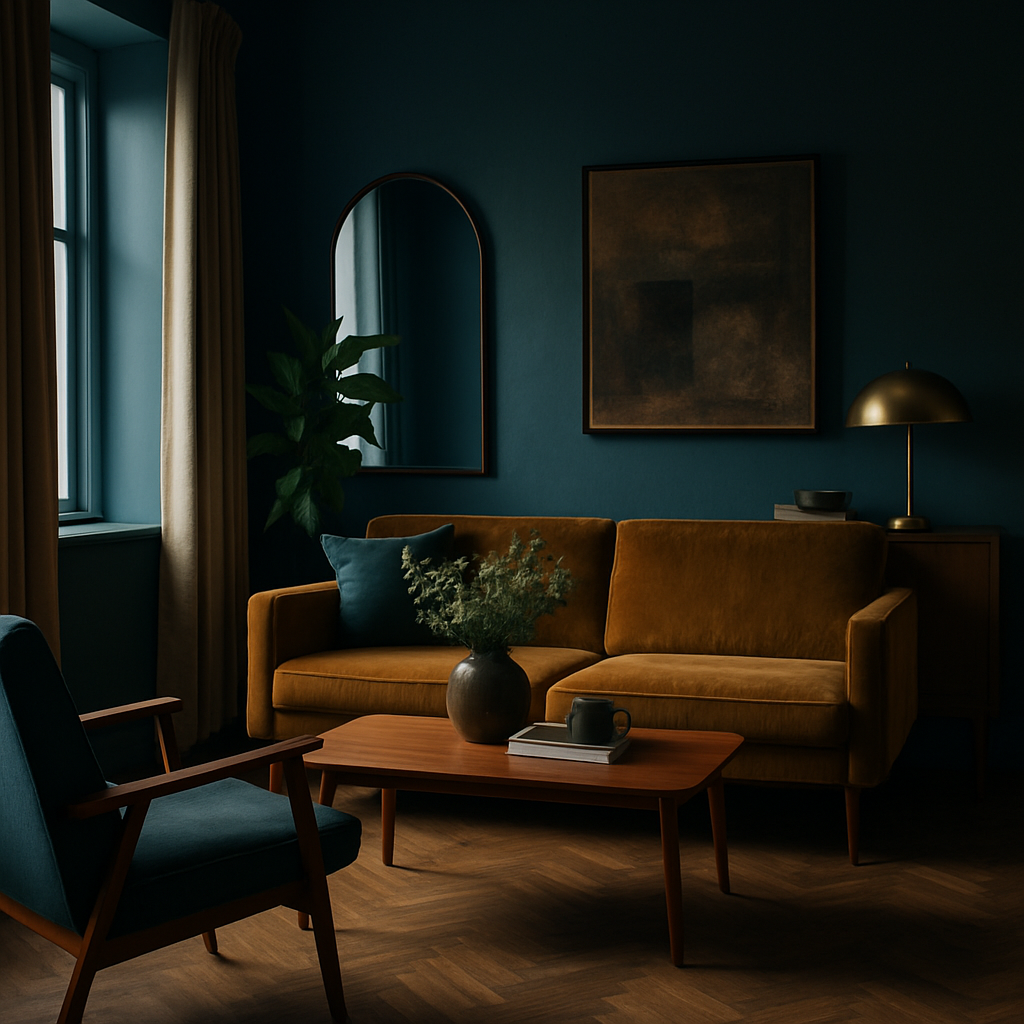
When you imagine a career in interior design, does your mind conjure images of lavish homes, artistic freedom, and impressive paychecks? The reality might surprise you. According to the U.S. Bureau of Labor Statistics, the median annual wage for interior designers was $60,340 in 2023, with top earners making significantly more. But how do these figures translate into real life for professionals in the industry? This article delves into the earnings landscape of interior designers, exploring credential impacts, fee structures, and evolving industry trends. Whether you're an aspiring designer or a seasoned professional, understanding these financial factors is crucial for navigating your career path effectively.
Understanding the Basics of Interior Design Earnings
To fully grasp how much interior designers make, it's essential to understand the varied roles within the profession. Interior designers can work in residential, commercial, or specialized fields like hospitality and healthcare design. Each sector offers different earning potentials influenced by the project's complexity and the designer's experience. For instance, designers focusing on high-end residential projects may command higher fees than those working on more standardized commercial spaces. Entry-level positions might start at around $40,000 annually, but as designers gain experience and build a reputation, their earning potential increases substantially.
Credentials play a significant role in determining salary. Certified interior designers, holding certifications such as the NCIDQ (National Council for Interior Design Qualification), often earn more than their uncertified counterparts. This credential is widely regarded as the gold standard in the industry, signaling a designer's commitment to professional excellence and adherence to industry standards. Additionally, memberships in organizations like the American Society of Interior Designers (ASID) or the International Interior Design Association (IIDA) can enhance a designer's credibility and networking opportunities, leading to higher-paying projects.
Another foundational aspect of understanding designer earnings is the type of employment. Designers can work as part of a firm, as independent contractors, or run their own businesses. Each pathway offers different financial implications. Those employed by firms might enjoy steady salaries with benefits, while freelancers and business owners may have variable incomes tied closely to their ability to secure and complete projects successfully.
The Impact of Fee Structures on Designer Income
How designers are compensated for their work varies. Most professionals use one of three primary fee structures: flat fees, hourly rates, or a percentage of the total project cost. Each of these structures impacts earnings differently and suits different project types and client expectations. For instance, a flat fee might be more straightforward for a single-room redesign, while larger, more complex projects might benefit from a percentage-based approach.
Hourly rates for interior designers typically range from $150 to $500 per hour, depending on experience, location, and project scope. According to industry surveys, the average hourly rate falls around $200. This model gives designers predictable income based on the hours worked but requires meticulous time tracking and client communication. Percentage-based fees, usually ranging from 10% to 25% of the total project cost, align the designer's incentives with project success and client satisfaction. This model can be particularly lucrative for large-scale projects where budgets can soar into the hundreds of thousands.
Procurement markups are another income source for designers. By purchasing furniture and materials at trade discounts and reselling them to clients at retail prices, designers can earn an additional margin. This practice requires transparency and trust with clients but can significantly boost earnings, especially for those with strong supplier relationships. Are you considering how these fee structures might work for your own projects?
Maximizing Earnings Through Strategic Choices
Experienced professionals often note that strategic career decisions can dramatically influence earning potential. One such strategy is niche specialization. By focusing on a particular style or type of interior design-such as sustainable design or smart home integration-designers can differentiate themselves in a crowded market. This not only attracts clients seeking specific expertise but also allows designers to charge premium rates for their specialized knowledge.
Building a strong portfolio is another critical strategy. Platforms like Houzz and Pinterest are invaluable for showcasing completed projects and attracting potential clients. A visually compelling portfolio not only highlights a designer's style and capability but also serves as a powerful marketing tool that can lead to higher-paying opportunities. Are your portfolios currently working hard enough for you? Regularly updating them with recent work and client testimonials can keep your portfolio fresh and appealing.
Networking within industry organizations such as the ASID or IIDA can also lead to more lucrative projects. These organizations offer opportunities for professional development, mentorship, and client referrals. By actively participating in these networks, designers can access new business leads and industry insights that can enhance their marketability and income. How often do you engage with these networks to further your career?
Expert Insights: Navigating Industry Trends
Staying ahead of industry trends is crucial for maximizing earnings. As of 2026, several design trends are shaping client demands and, consequently, designer income. Biophilic design, which incorporates natural materials and elements, is increasingly popular, driven by a growing client desire for spaces that connect with nature. Designers proficient in this trend can command higher fees due to its complexity and demand.
Smart home integration is another burgeoning trend. With the rise of technology in residential spaces, clients are increasingly seeking designs that incorporate smart lighting, climate controls, and automated window treatments. Designers who stay abreast of these technologies and incorporate them into their projects can offer added value to clients, potentially increasing their project fees.
Sustainability is no longer optional but a requisite for many clients. Incorporating sustainable and reclaimed materials not only aligns with eco-conscious values but also meets a growing market demand. Designers who can navigate this complex landscape can tap into a niche that is both lucrative and rewarding, financially and ethically. How familiar are you with these emerging trends?
Leveraging Technology for Greater Earnings
Technology is transforming the interior design landscape, offering new tools that can enhance client communication and project visualization. Virtual reality (VR) and augmented reality (AR) tools are now commonly used in the design process, allowing clients to experience proposed designs before implementation. This not only enhances client satisfaction but can also justify higher fees due to the added service value.
Design software platforms like SketchUp and AutoCAD remain staples in the industry, helping designers create precise and detailed plans. Mastery of these tools is essential for efficiency and accuracy, directly impacting a designer's ability to manage more projects and, consequently, increase earnings. Are you taking full advantage of these technological advancements in your current projects?
Additionally, leveraging social media platforms for marketing can expand a designer's reach dramatically. Instagram, in particular, offers a visual platform that can attract clients from around the globe. By curating a professional and engaging online presence, designers can attract higher-paying clients and expand their portfolio beyond local markets. Engaging with followers and showcasing behind-the-scenes processes can also build a loyal client base.
Final Thoughts on Interior Designer Earnings
As the interior design industry evolves, so too do the opportunities for designers to increase their earnings. By understanding the dynamics of fee structures, specializing in niche markets, and embracing technology, designers can position themselves for financial success. However, it's also crucial to remain adaptable, as industry trends and client expectations continue to shift.
Whether you're new to the field or an experienced designer looking to refine your strategy, the key lies in continuous learning and adaptation. The skills you develop today will shape your earning potential tomorrow. Consider what steps you can take to align your career with these insights and maximize your opportunities.
In conclusion, how will you leverage this knowledge to enhance your career prospects and financial rewards in the interior design industry? By taking strategic actions now, you can unlock the full potential of your earning capabilities.
Conclusion
In navigating the complex landscape of interior design earnings, knowledge and strategy are your greatest allies. From understanding credential impacts to embracing technology and industry trends, each aspect plays a significant role in shaping potential income. As you consider your career path, reflect on how these insights can be applied to your personal and professional growth. Are you ready to take the next step?
Start by browsing designer portfolios on platforms like Houzz and Instagram this week. Even 20 minutes of research can sharpen your eye for what sells and inspire your next career move. Embrace the opportunities ahead and position yourself for success in the ever-evolving world of interior design.


Comments
Post a Comment