Unlocking Nature's Beauty: How Biophilic Interior Design Transforms Your Home
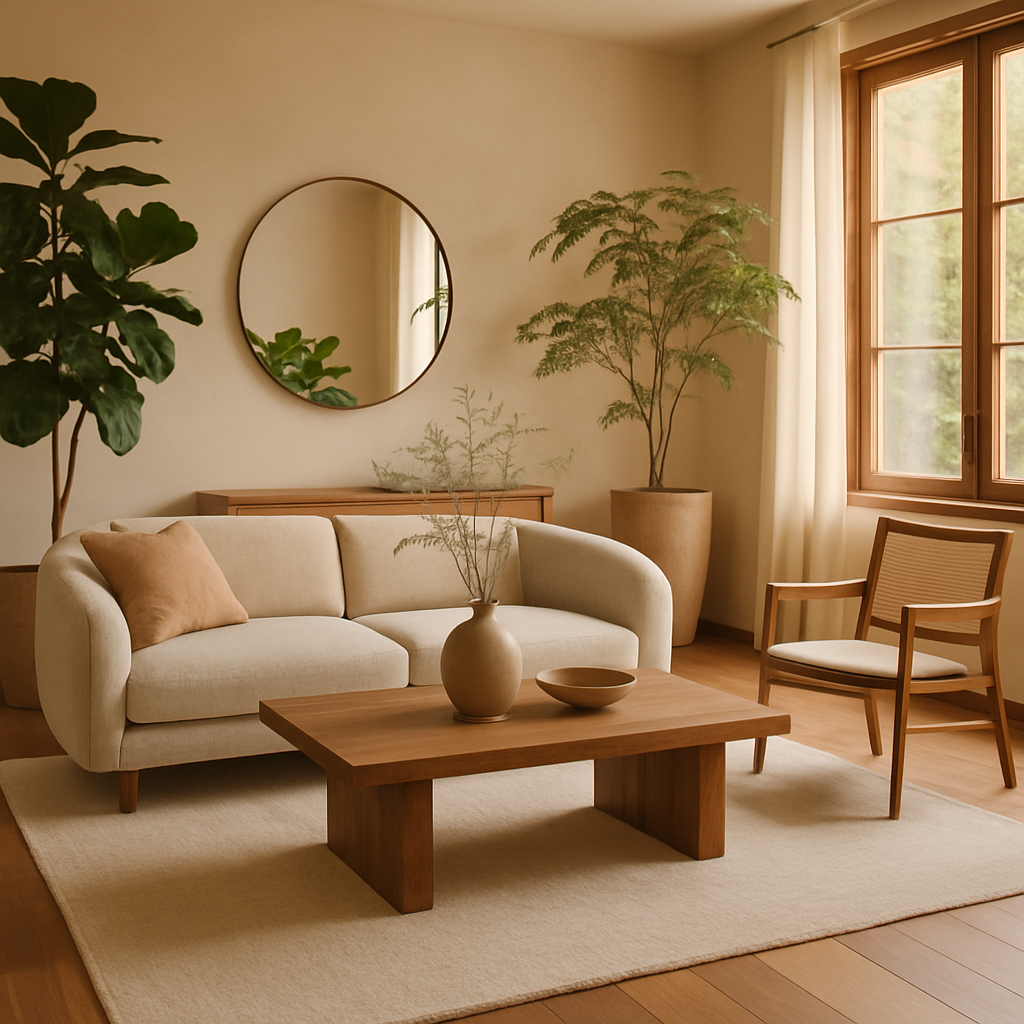
Imagine walking into your home and feeling an immediate sense of tranquility, as if you've stepped into a serene forest or a lush garden. This is the promise of biophilic interior design, a transformative approach that integrates nature into your living spaces to enhance both aesthetic appeal and personal well-being. According to a study by Terrapin Bright Green, environments that incorporate natural elements can reduce stress levels by up to 37%. This article will explore the core principles of biophilic design, delve into data showing its benefits, offer actionable strategies for implementation, and provide expert insights to guide your journey. Whether you're a homeowner or an interior designer, understanding how to harness nature's beauty can redefine your indoor experience.
Understanding Biophilic Interior Design
Biophilic design is more than just a trend; it's a philosophy rooted in the innate human affinity for nature. Coined by biologist Edward O. Wilson in the 1980s, the term "biophilia" describes our inherent connection to the natural world. In the context of interior design, it emphasizes incorporating natural elements such as light, vegetation, and organic materials into our living spaces. This approach not only beautifies a home but also serves to bridge the gap between the urban environment and the natural world.
Central to biophilic design is the concept of creating a seamless indoor-outdoor flow. This can be achieved through large windows that maximize natural light and offer expansive views of nature. The use of natural materials like wood, stone, and bamboo further enhances this connection, creating spaces that feel warm and inviting. The American Society of Interior Designers (ASID) highlights that incorporating these elements can lead to improved mood and productivity, making it a compelling choice for both residential and commercial spaces.
Biophilic design is not limited to visual aesthetics. It also engages other senses through the use of water features that provide auditory relaxation or plants that improve air quality. As you consider changes to your home, how might integrating these elements impact your daily life? The benefits extend beyond the physical, offering emotional and psychological rewards that are invaluable in our fast-paced world.
The Science Behind Biophilic Benefits
The psychological and physiological benefits of biophilic design are well-documented. According to research published by the International Journal of Environmental Research and Public Health, exposure to natural elements can lower heart rates and blood pressure, decrease anxiety, and enhance cognitive function. This is partly due to the way our brains process natural stimuli, which is fundamentally different from the way we process artificial environments. The calming effects of nature are deeply embedded in our DNA, providing a powerful argument for its incorporation into design.
Moreover, data from a Houzz survey reveals that homeowners investing in biophilic design report higher satisfaction levels with their living spaces, citing improved well-being and creativity. The integration of nature doesn't only foster a healthier lifestyle; it also contributes to economic benefits by increasing property values. Studies suggest that homes with well-executed biophilic designs can see a 5-15% increase in resale value, making it a financially sound investment.
While the data is compelling, the true value of biophilic design lies in its ability to create environments that nurture the soul. By fostering a deep connection to nature, these spaces become places of refuge and rejuvenation. Are you ready to transform your home into a sanctuary that supports both body and mind? The next section will provide actionable strategies to help you start this transformation.
Implementing Biophilic Design in Your Home
Bringing biophilic design into your home doesn't require a complete overhaul. Start small by incorporating plants that thrive indoors, such as ferns, succulents, or even a small herb garden. These not only enhance visual appeal but also improve air quality. Experienced professionals often note that a well-placed plant can serve as a focal point, drawing attention and creating a sense of harmony within a room.
Lighting is another crucial element. Maximize natural light by choosing sheer curtains or installing skylights. If structural changes aren't possible, consider smart lighting systems that mimic natural light cycles, supporting your body's circadian rhythm. According to the National Council for Interior Design Qualification (NCIDQ), proper lighting can significantly impact mood and energy levels, making it a critical consideration in any design plan.
Finally, consider the textures and materials within your home. Opt for furniture and decor made from sustainable materials like reclaimed wood or recycled metals. Not only do these choices align with eco-friendly practices, but they also bring an organic feel to interiors. By thoughtfully selecting materials, you can create a tactile experience that mirrors the diversity found in nature. With these foundational strategies in place, your home can become a true reflection of nature's beauty, offering comfort and inspiration at every turn.
Expert Insights on Biophilic Design
For those seeking deeper insights into biophilic design, consulting with certified interior designers can be invaluable. Professionals with credentials from organizations like the International Interior Design Association (IIDA) have the expertise to tailor biophilic elements to your specific space and lifestyle. They can guide you in choosing the right balance of plants, colors, and textures to achieve the desired effect.
Furthermore, many designers use advanced technology such as augmented reality (AR) and virtual reality (VR) tools to visualize potential designs. This allows you to experience the proposed changes before they are implemented, ensuring your vision aligns with the final product. These tools provide an interactive way to experiment with different layouts and elements, making the design process both engaging and precise.
Collaborating with experts also opens access to high-quality materials and unique design solutions that you may not find on your own. Are you considering hiring a professional to assist with your home transformation? Understanding their fee structures-ranging from flat fees to hourly rates-can help you budget accordingly. With professional guidance, the journey to creating a biophilic home becomes a collaborative and rewarding experience, setting the stage for the next phase of your design journey.
Exploring Advanced Biophilic Concepts
As you delve deeper into biophilic design, consider advanced concepts like creating multi-sensory experiences. Incorporate water features, such as a small indoor fountain, to introduce soothing sounds that mimic natural settings. The gentle flow of water can create a calming ambiance, making spaces more inviting and peaceful. Such elements not only enhance the aesthetic but also contribute to a holistic sensory experience.
Additionally, explore the use of natural patterns and fractals in your decor. These patterns can be found in textiles, wallpapers, or artwork, and have been shown to reduce stress by creating visual harmony. According to experts, fractals mimic the mathematical patterns found in nature, offering a sense of order that is pleasing to the human eye. By integrating these elements, you can enhance the visual complexity of your space in a manner that is both subtle and impactful.
Finally, consider the role of color in biophilic design. Earth tones and greens can evoke a connection to the natural world, promoting relaxation and comfort. By carefully selecting a color palette that reflects natural landscapes, you can further enhance the biophilic atmosphere of your home. As you incorporate these advanced concepts, remember that the ultimate goal is to create a space that resonates with your personal connection to nature.
Final Perspectives on Biophilic Design
As biophilic design continues to gain popularity, it's clear that its appeal extends beyond aesthetics. The integration of nature into interior spaces offers tangible benefits for health and well-being, creating environments that nurture and inspire. Whether you are taking your first steps into biophilic design or are ready to explore advanced concepts, the journey is one of continuous discovery and creativity.
Reflecting on the various aspects discussed, from foundational strategies to expert insights, it becomes apparent that biophilic design is adaptable to any home or lifestyle. How will you incorporate these elements into your own living space? The transformative power of nature is within reach, waiting to be unlocked by your creativity and vision.
By embracing biophilic design, you invite nature's beauty into your home, creating a sanctuary that enhances daily life. As you consider these possibilities, remember that each step towards a more nature-inspired environment is a step towards a more balanced and fulfilling lifestyle.
Conclusion: Embrace the Biophilic Revolution
Biophilic interior design offers an opportunity to transform your home into a sanctuary of nature and serenity. By understanding its principles, leveraging expert insights, and incorporating practical strategies, you can create spaces that not only look beautiful but also enhance your well-being. As you embark on this journey, consider consulting professional organizations such as ASID or NCIDQ for guidance and inspiration.
Your next step? Start by exploring designer portfolios on platforms like Houzz to find inspiration and connect with certified professionals. Even dedicating just 20 minutes to this research can sharpen your eye for what resonates with you. Embrace the biophilic revolution and transform your living space into a true reflection of nature's beauty. This simple yet profound shift promises to enrich your life in ways you may have never imagined.



Comments
Post a Comment