Unlocking Creativity: How Online Interior Design Tools Revolutionize Home Makeovers
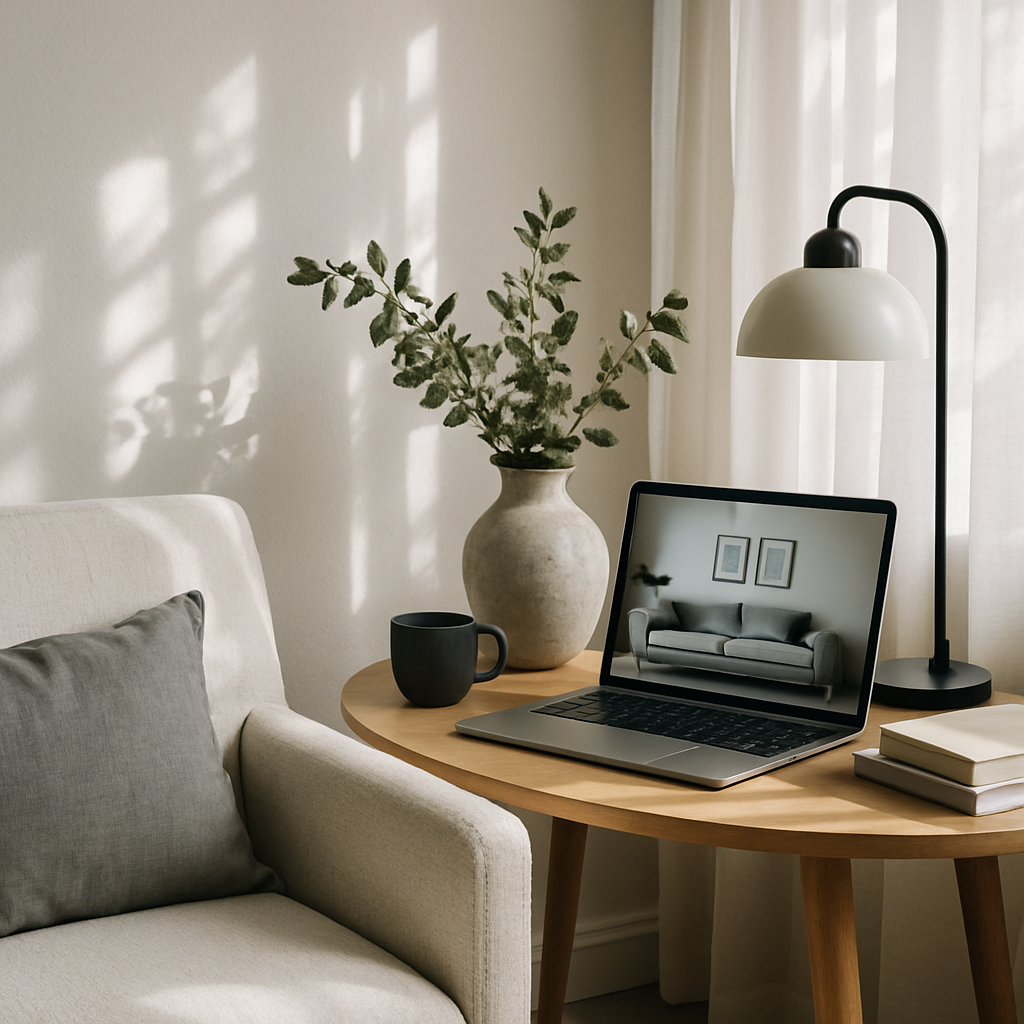
Imagine transforming your living space without ever stepping foot in a design studio. With the advent of online interior design tools, homeowners are now empowered to reimagine their spaces from the comfort of their own homes. According to a recent survey by Houzz, over 70% of homeowners are now utilizing online platforms to aid in their renovation projects. This shift toward digital tools not only democratizes access to professional design but also enhances creativity, offering a plethora of options at one's fingertips. In this article, we will explore foundational concepts of online interior design tools, delve into their impact through data and analysis, and provide actionable strategies for maximizing their potential. We'll also offer expert-level insights and additional perspectives to help you fully embrace this digital design revolution.
Understanding the Basics of Online Interior Design Tools
Online interior design tools have become essential for modern home makeovers, offering a range of functionalities that were once the exclusive domain of professional designers. At the core, these tools provide virtual platforms where users can experiment with design elements such as color schemes, furniture arrangements, and lighting without making physical changes. This capability is particularly beneficial for those looking to avoid the costly trial-and-error process traditionally associated with home redesigns.
Platforms like Houzz and Pinterest play a pivotal role in this digital landscape. Houzz, with its extensive database of designer portfolios and project photos, allows users to visualize potential outcomes and gather inspiration. Pinterest, on the other hand, serves as a digital mood board, where users can curate and organize ideas that resonate with their personal style. These tools enable users to tailor their spaces to reflect their unique personalities and needs.
Moreover, many of these platforms incorporate augmented reality (AR) and virtual reality (VR) technologies. These technologies allow users to virtually "place" furniture and decor in their rooms through their smartphones, providing a realistic preview of how new elements will integrate with existing spaces. This interactive approach not only enhances the design experience but also provides a more accurate representation of the final outcome, reducing uncertainty and enhancing satisfaction.
The Impact of Technology on Design Decisions
The integration of technology in interior design has significantly influenced decision-making processes. According to the American Society of Interior Designers (ASID), the use of digital tools has increased efficiency by over 50% in residential projects. This efficiency is attributed to the ability to quickly modify design elements and see immediate results, which was previously a time-consuming process.
In terms of cost, these tools offer substantial savings. Traditional design services can range from $150 to $500 per hour, depending on the designer's credentials and the project's complexity. However, online tools often come at a fraction of the cost, with some platforms like Roomstyler and Planner 5D offering free basic versions and premium features for less than $20 per month. These affordable options make professional-grade design accessible to a broader audience.
Furthermore, industry professionals note that the use of these tools often leads to a higher level of client satisfaction. The immediacy of visual feedback allows clients to make informed decisions, minimizing the risk of costly mistakes. This transparency and control afforded by online tools empower clients, making them active participants in the design process rather than passive recipients.
Strategies for Maximizing Online Design Tools
To fully capitalize on the benefits of online interior design tools, it's crucial to approach them strategically. Start by clearly defining your design goals. Are you aiming for a complete room overhaul, or do you simply want to refresh certain elements? Having a clear vision will streamline your use of digital platforms and allow you to focus on features that align with your objectives.
Next, leverage the community features of platforms like Houzz and Instagram. These platforms often house active communities of designers and enthusiasts who share their projects and insights. Engaging with this community can provide new perspectives and solutions to design challenges you might encounter. Don't hesitate to ask questions or seek feedback on your ideas-collaborative input can be invaluable.
Finally, take advantage of trial versions of premium tools before committing to a subscription. Many platforms offer limited-time trials that allow you to explore advanced features such as 3D modeling and AR visualization. Experiment with these tools to understand their capabilities and determine which features are most beneficial for your project.
Expert Insights on Leveraging Technology in Design
Experienced professionals often note that while online tools provide a robust foundation for design, they should complement-not replace-the expertise of certified interior designers. Certified designers, who hold credentials such as the NCIDQ (National Council for Interior Design Qualification), bring a depth of knowledge and experience that digital tools cannot replicate.
For instance, while a tool might suggest a particular color scheme based on algorithms, a certified designer can interpret these suggestions with an understanding of how lighting, texture, and spatial dynamics will interact in the real world. This expertise can be crucial in achieving a cohesive and functional design that digital tools alone might not provide.
Moreover, professionals from organizations like the IIDA (International Interior Design Association) emphasize the importance of integrating sustainable practices into design projects. Online tools can assist by offering options for sustainable materials and products, but a designer's expertise is essential in evaluating the environmental impact and performance of these materials in the long term.
Additional Perspectives on the Future of Interior Design
As we look toward the future, the role of online interior design tools is set to expand further. Industry trends for 2026, such as biophilic design and smart home integration, are increasingly being incorporated into these platforms. Users can now experiment with incorporating natural elements and smart technologies into their designs, reflecting a growing demand for eco-friendly and tech-savvy solutions.
Additionally, the rise of virtual reality experiences in design is transforming how clients and designers envision spaces. Platforms are beginning to offer VR walkthroughs, providing an immersive experience that allows users to "walk" through their redesigned space before any physical changes occur. This innovation is expected to enhance client-designer collaboration, making the design process more interactive and engaging.
However, as these tools evolve, the need for continuous learning becomes apparent. Designers and homeowners alike must stay updated on technological advancements to make informed decisions. By embracing ongoing education, users can fully harness the potential of these tools to create spaces that are not only aesthetically pleasing but also functional and future-ready.
Final Thoughts on Embracing Digital Design Tools
Incorporating online interior design tools into your home makeover journey can be transformative. These tools offer accessibility, creativity, and efficiency, empowering homeowners to take charge of their design projects. However, it's important to remember that these tools are most effective when used in conjunction with professional guidance and real-world insights.
As you explore the possibilities of digital design, consider how these tools can complement traditional design practices. Are you using them to their fullest potential, or is there more you can learn? By blending technology with professional expertise, you can create a space that truly reflects your vision and needs.
Conclusion
Online interior design tools have revolutionized the way we approach home makeovers, offering innovative solutions that were once out of reach for many. By understanding the capabilities of these tools and strategically integrating them into your design process, you can unlock your creativity and transform your living space effectively. Start by exploring platforms like Houzz and Pinterest this week-spend just 20 minutes browsing and gathering ideas to sharpen your eye for design. As you embark on your digital design journey, remember that combining these tools with expert insights will yield the best results, ensuring a space that is both beautiful and functional.


Comments
Post a Comment