Unlocking Creativity: 5 Ways RoomGPT Enhances Your Interior Design Projects
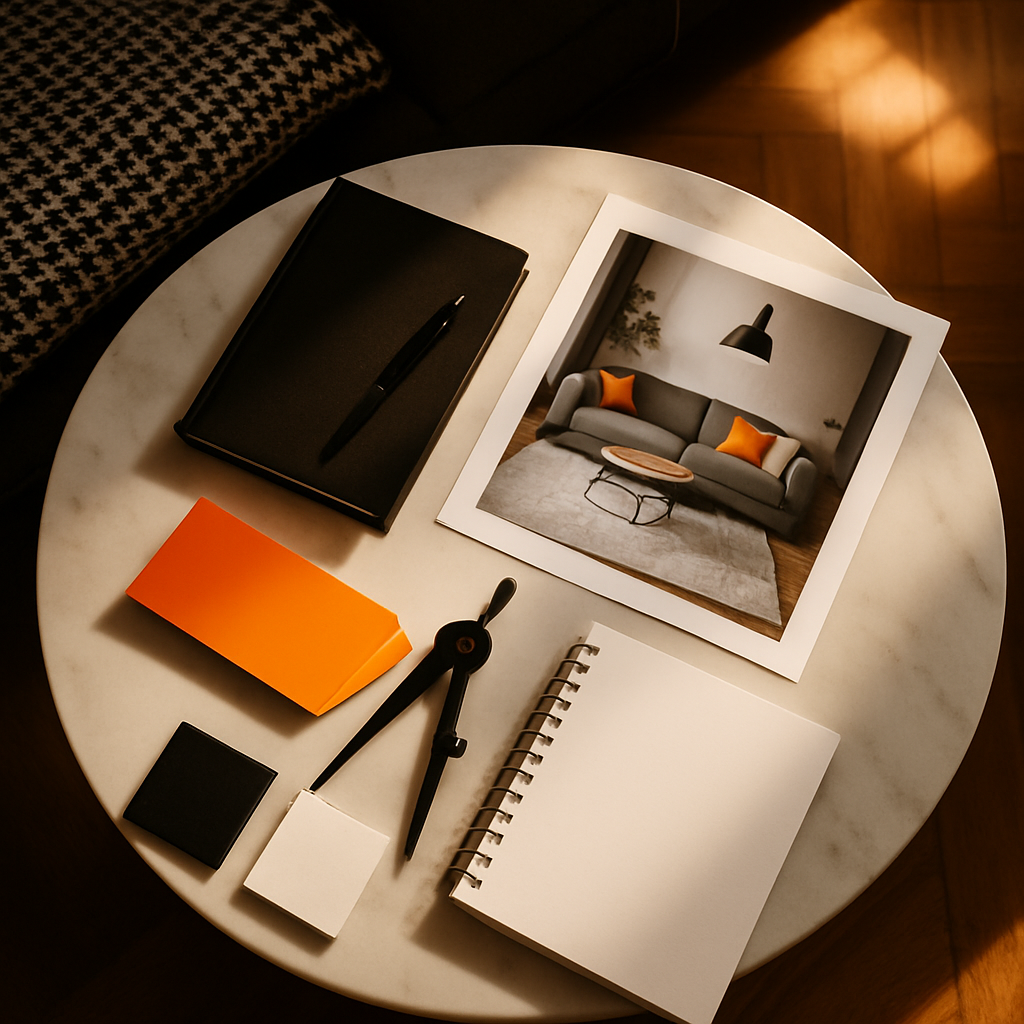
Imagine walking into a space that perfectly encapsulates your client's personality and needs without the usual trial-and-error process. According to Houzz's annual survey, nearly 80% of homeowners seek personalized design solutions that reflect their unique tastes and lifestyles. Enter RoomGPT, a groundbreaking tool that promises to transform how interior designers approach projects. In this article, we'll explore five key ways RoomGPT can enhance creativity and streamline the design process. From foundational concepts to expert-level strategies, discover how this tool can bring your design visions to life.
Understanding RoomGPT: The Basics
RoomGPT is more than just a buzzword in the design industry; it's a game-changer. At its core, RoomGPT leverages artificial intelligence to generate multiple design concepts based on user inputs, which can include room dimensions, desired styles, and functional requirements. This tool democratizes the design process, allowing both seasoned designers and novices to explore a plethora of creative ideas with ease. Essentially, RoomGPT acts as an AI-powered collaborator, providing you with a creative partner that never tires or runs out of ideas.
The platform is particularly useful for addressing common pain points in interior design, such as the time-consuming nature of concept development. Traditionally, designers spend hours sketching and revising designs to meet client expectations. RoomGPT accelerates this phase by instantly generating a variety of design options that align with specified parameters. This not only saves time but also opens up new avenues for creativity that might not have been considered initially.
Moreover, by integrating RoomGPT into your workflow, you can significantly enhance your service offerings. It allows for real-time design adjustments, ensuring that client feedback can be incorporated swiftly and efficiently. This dynamic approach to design fosters greater client satisfaction and engagement, as clients can see their ideas come to life almost instantaneously. Transitioning from foundational concepts, let's delve into a deeper analysis of how RoomGPT can further impact your design projects.
Data-Driven Design: RoomGPT's Analytical Edge
One of the most compelling features of RoomGPT is its ability to harness data-driven insights for more informed design decisions. According to Architectural Digest's AD PRO network, data analytics in design is becoming increasingly critical for achieving optimal results. RoomGPT uses a vast database of design trends, materials, and spatial layouts to suggest solutions that are both innovative and practical. This analytical approach empowers designers to make decisions backed by solid data rather than intuition alone.
For instance, RoomGPT can analyze current design trends, such as biophilic design and Japandi, incorporating these into the generated concepts. This ensures that your projects are not only aesthetically pleasing but also aligned with modern preferences. Additionally, RoomGPT's algorithms can assess spatial efficiency, suggesting furniture arrangements and decor placements that maximize functionality without compromising style. This is particularly beneficial for smaller spaces where every inch matters.
Moreover, the platform's ability to predict project outcomes based on past data sets it apart as a forward-thinking tool. By evaluating similar past projects, RoomGPT can offer insights into potential design pitfalls and successes. This foresight allows you to mitigate risks and optimize results, ultimately leading to a more streamlined and successful design process. Armed with this analytical edge, designers can transition to employing actionable strategies that RoomGPT facilitates.
Actionable Strategies with RoomGPT
Integrating RoomGPT into your interior design projects involves more than just generating ideas; it's about implementing actionable strategies that enhance efficiency and creativity. Experienced professionals often note that one of the most challenging aspects of interior design is balancing client desires with practical constraints. RoomGPT addresses this by providing customizable templates that serve as a starting point for personalized designs. These templates can be adjusted to fit specific client needs, ensuring that the final output is both unique and functional.
An effective strategy is to use RoomGPT during client consultations. By inputting client preferences and space measurements into the tool, you can quickly present multiple design options. This not only impresses clients with your ability to offer immediate solutions but also involves them actively in the design process. Such engagement fosters a collaborative environment where clients feel their input is valued and reflected in the outcome.
Furthermore, RoomGPT can assist in budgeting and procurement. By estimating costs associated with different design elements, you can provide clients with transparent financial insights. This helps in setting realistic expectations and avoids budget overruns, a common issue in design projects. As we delve into expert-level details, consider how RoomGPT's advanced features can elevate your design practice even further.
Expert-Level Insights: Maximizing RoomGPT's Potential
RoomGPT is not just a tool for generating ideas; it's a platform that can elevate your design practice to new heights with its advanced features. One aspect that sets RoomGPT apart is its integration with AR/VR room visualization tools. This technology allows clients to virtually walk through their redesigned spaces before any physical changes occur. Such immersive experiences can significantly enhance client satisfaction and decision-making, as they can visualize the final outcome in a realistic setting.
Additionally, RoomGPT's capacity for smart home integration should not be overlooked. With the increasing demand for home automation, being able to incorporate smart lighting, climate control, and automated window treatments into your designs is invaluable. This not only meets contemporary client expectations but also adds a layer of sophistication to your projects. By incorporating these features, you can provide clients with a seamless blend of aesthetics and functionality.
Expert designers also appreciate RoomGPT's ability to facilitate sustainable design practices. The tool can suggest environmentally friendly materials and furnishings, aligning with the growing trend towards sustainability in interior design. This is particularly relevant for clients who prioritize eco-friendly solutions, helping you to cater to a wider audience. As we explore additional depths, consider how these expert insights can be applied across various project phases.
Exploring Further Depths with RoomGPT
RoomGPT's versatility extends beyond the initial design phase, offering benefits throughout the entire project lifecycle. From concept development to design presentation, RoomGPT can streamline each stage, making your workflow more efficient. For instance, during the procurement phase, RoomGPT can provide detailed lists of necessary materials and furnishings, complete with suppliers and cost estimates. This ensures that you can source items efficiently and stay within budget constraints.
In the installation and styling phases, RoomGPT's suggestions can help maintain design consistency and cohesiveness. By offering step-by-step guidance on furniture arrangement and decor placement, the tool ensures that the final space reflects the original vision. This is crucial for maintaining client satisfaction and achieving a polished, professional outcome.
The flexibility of RoomGPT also allows for post-project evaluations. By analyzing completed projects, you can gain insights into what worked well and where improvements can be made. This continuous feedback loop is invaluable for refining your design approach and delivering even better results in future projects. As we wrap up our exploration of RoomGPT's capabilities, consider how these insights can inform your design practice.
Final Perspectives on RoomGPT
As we conclude our exploration of RoomGPT, it's clear that this tool offers numerous advantages for interior designers. From foundational concepts to expert-level insights, RoomGPT enhances creativity, efficiency, and client satisfaction. Its ability to integrate data-driven design, actionable strategies, and advanced technologies makes it an invaluable asset for any design professional.
Considering the rapid pace of technological advancement in the design industry, embracing tools like RoomGPT is crucial for staying competitive. By leveraging its capabilities, you can not only streamline your workflow but also deliver exceptional results that resonate with clients. As you think about the potential of RoomGPT, ask yourself: How might this tool transform your design process and elevate your projects?
In summary, RoomGPT is a powerful ally for interior designers seeking to enhance their creativity and efficiency. Whether you're a seasoned professional or just starting out, integrating RoomGPT into your practice can lead to more innovative and successful projects. Start by exploring RoomGPT's features today and see how it can revolutionize your approach to interior design.
Conclusion
Incorporating RoomGPT into your interior design projects can unlock new levels of creativity and efficiency. By understanding its foundational concepts, leveraging data-driven insights, and applying actionable strategies, you can elevate your design practice to new heights. The expert-level features of RoomGPT, such as AR/VR integration and sustainable design suggestions, further enhance its value as a tool for modern designers.
As you consider the benefits of RoomGPT, take the next step by experimenting with its capabilities in your upcoming projects. Start by browsing portfolios on Houzz and AD PRO to see how other designers are utilizing RoomGPT to create stunning spaces. Even 20 minutes of research can offer valuable insights and inspiration for your own work. Embrace the future of interior design with RoomGPT and watch your projects transform.


Comments
Post a Comment